




-

Concrete
-
- Concreting
- Concrete Vibrators
- Complete 230 V Mechanical Vibrators
- Vibrator Heads
- Vibrator Shafts
- Vibrator Motors
- Concrete Vibrators 42 V | 200 Hz
- Mechanical Vibrators 230 V
- 42 V | 200 Hz Head and Shaft
- 230 V Concrete Vibrators
- Vibrators With Built-In 230 V | 200 Hz Converter
- 42 V | 200 Hz Converters
- Combustion Vibrators
- Pneumatic Vibrators
- External Vibrators
- Power Trowels
- Vibratory Screeds
- Concrete Hand Tools
- Concrete Vibrators
-
-
-
-
-
- Walk-Behind Combustion Power Trowels
-
-
-
Heating and cooling
-
-
-
- Cooling and ventilation
-
-
- cooling
-
-
-
Generators
-
-
-
-
- Inverter Generators
-
-
-
Earthworks
-
-
-
-
-
- Tamping rammers – jumping jacks
-
-
-
Industrial vacuums
-
-
- Cleaning and accessories
-
-
- Industrial vacuum cleaners
-
-
-
Finishing
-
-
-
- Bestseller
-
-
-
Pumps
-
-
-
-
- Bestseller
-
-
-
Measurement
-
-
-
-
-
-
-
- Bestseller
-
-
-

BLOG & Tips
-

Promotions
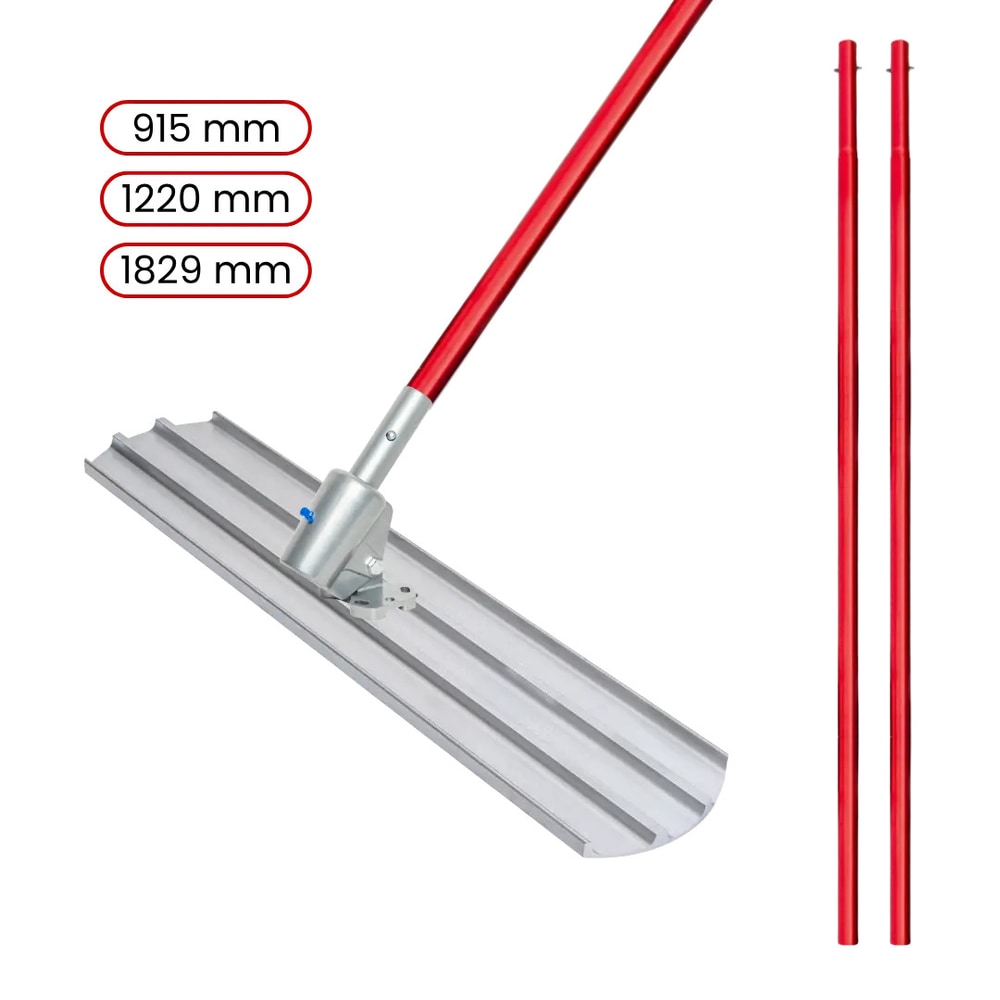
Toolsa · Cat. no. BF-1220-BW
Complete aluminium Bull Float Toolsa without case (915 | 1220 | 1829 mm)

zł1,220.00 net
zł1,500.60 gross
Leasing for businesses
from zł40.74 net / month
Indicative calculation · you set the terms

ING leasing is not available for this amount — call us and we will arrange financing +48 732 081 091
Wymiary: 1220 x 203 mmOrdering several sizes? Table of 3 sizes
On order
sourced from the supplier
Ships in about 90 days
from the order date
Arrives a day after dispatch
we will confirm the date with your order
In stock
10 pcs in stock
Same-day dispatch
order by 13:00
Arrives next day
on working days
In stock
3 pcs in stock
Same-day dispatch
order by 13:00
Arrives next day
on working days
Prefer to talk? +48 732 081 091

- 25 years on the market
- Own warehouse 1200 m²
- Returns up to 14 days
- Free delivery over PLN 3,000
Ordering several sizes?
3 sizes · prices per unit · stock as of today
| Wymiary | Cat. no. | Net price | Gross | Availability | Quantity |
|---|---|---|---|---|---|
| 915 x 203 mm | BF-915-BW | zł1,120.00 | zł1,377.60 | 10 pcs | |
| 1220 x 203 mm | BF-1220-BW | zł1,220.00 | zł1,500.60 | 3 pcs | |
| 1829 x 203 mm | BF-1829-BW | zł1,320.00 | zł1,623.60 | approx. 90 days |
Accessories
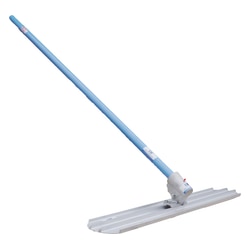 Beton Trowel Bullfloat Magnesium 1200x200 Aluminum Strip With 3 X 1.8m Pipes
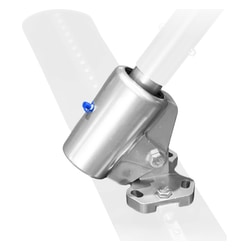 Toolsa Bull Float Bracket With Angle Adjustment
 Round End Aluminium Bull Floats blade only 1220mmX203mm
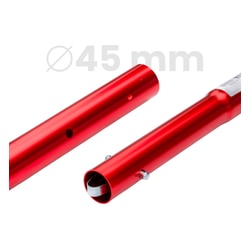 Toolsa Handle Pole For Bull Floats And Vibratory Screeds (45 x 1830 Mm)
 Szczotka do betonu z adapterem "U" Toolsa
- Need a different part?We will match it to your machine+48 732 081 091
Description
Complete Bull Float concrete finishing set by Toolsa — without a case
A bull float is a wide blade on a telescopic handle used to close the surface of fresh concrete right after it has been screeded to level. This set contains an aluminium blade 203 mm wide in one of three lengths (915, 1220 or 1829 mm), three 1830 mm poles and a bracket with angle adjustment. The contents match the standard set — without the transport case, for crews who already own one or carry their tools loose on the truck bed.
What the set includes
Three screw-together poles give a working reach of roughly 5.5 m, enough to close a strip of the slab from one position without stepping into fresh concrete. The bracket with a worm gear tilts the blade smoothly during the pass: pushing away raises the leading edge, pulling back lowers it, so the float neither drags laitance nor digs into the surface.
Aluminium blade with round ends
The aluminium alloy blade has rounded ends and lifted edges, so it will not catch the slab or leave an edge mark when the direction changes. Aluminium is lighter than steel and cheaper than magnesium, and works well on standard and reinforced concrete. A magnesium blade is the choice for air-entrained floors, where aluminium tends to pull up excess laitance.
Which blade length to choose
915 mm suits floors in houses, garages and rooms with many corners — a shorter blade is easier to guide along walls. 1220 mm is the all-round choice and the most popular one, balancing speed against control. 1829 mm speeds up halls and raft foundations, but takes practice: the wider the blade, the more it reacts to uneven pressure.
When a bull float is used
The bull float comes in after the concrete has been screeded and before power trowelling. Its job is to press the aggregate down and even out the surface before the concrete starts to set. It is a hand tool — it replaces neither a vibratory screed, which compacts the mix, nor a power trowel, which brings the floor to a smooth finish.
Order the Toolsa bull float set at NORWIT.PL
The set belongs to the Toolsa line and matches the rest of the series: the same poles and bracket fit the magnesium blades and the concrete broom with a U-type adapter used to give the surface an anti-slip texture. If you need the set in a transport case, see the version with a case. The remaining models are in the bull floats category.
Technical data
- Cat. no.
- BF-1220-BW
- Dimensions
- 1220 x 203 mm | 1829 x 203 mm | 915 x 203 mm
- Included
- Profil listwy Bull Float | Rura do listwy (3 szt.) | Uchwyt do łat
Questions and answers
How does this set differ from the version with a case?
The working contents are identical: an aluminium blade 203 mm wide in a length of 915, 1220 or 1829 mm, three poles of 1830 mm each and a bracket with angle adjustment. The only difference is the transport case, which is not included here. It is the choice for crews who already own a case from an earlier set, or who carry their tools loose on the truck bed and never use the box. The set without a case costs 180 PLN net less than the version with one.
How do you finish concrete smooth by hand?
Hand finishing has three stages. First the mix is screeded to level with a vibratory screed, which compacts the concrete and drives out air pockets. Then the bull float goes in: it is drawn across the surface to press the aggregate down and close the top layer before the concrete starts to set. Finally, once the surface has hardened enough that a boot leaves a mark 3–5 mm deep, it is finished with a steel trowel or a power trowel. Skipping the bull float stage leaves a rough surface with exposed aggregate.
Which blade length should I choose?
Blade length follows the size of the pour and the number of corners. The 915 mm blade suits floors in houses, garages and rooms with many corners, because a shorter blade is easier to guide along walls. The 1220 mm blade is the all-round choice and the most popular one, balancing speed against control. The 1829 mm blade speeds up halls and raft foundations but takes practice: the wider the leading edge, the more the float reacts to uneven pressure and the easier it is to leave a wave.
What is the difference between a bull float and a vibratory screed?
A vibratory screed has a petrol or electric motor and a vibrating profile that compacts the fresh mix and pulls it to level. A bull float is a hand tool with no drive and works after it: it does not compact the concrete, it closes the surface by pressing the aggregate down and smoothing out the screeding marks. The two tools are complementary, not interchangeable. On a typical slab the vibratory screed goes first, then the bull float, and the power trowel last.
What working reach do the three poles give?
Three screw-together poles of 1830 mm each give a working reach of roughly 5.5 m measured from the operator. In practice this means one position covers a strip of slab over five metres wide without stepping into fresh concrete. The poles are 45 mm in diameter and join by thread, so the number of segments is matched to the job: one or two in a small room, all three in a hall.
Aluminium or magnesium blade?
Aluminium is lighter than steel and cheaper than magnesium, and performs well on standard and reinforced concrete, which is why most crews pick it for general construction work. Magnesium is used on air-entrained concrete floors, where aluminium tends to pull excess cement laitance to the surface and weaken the top layer. If you mostly work on ordinary slabs and raft foundations, the aluminium blade is the right choice.
How long after the pour is a bull float used?
The bull float goes in directly after the concrete has been screeded to level, while the mix is still plastic and no bleed water has gathered on the surface. In practice this is usually between fifteen and thirty minutes after placing, though the timing depends on temperature, wind and the concrete mix. The key rule is that floating must finish before a film of water appears. Floating after bleed water has risen pushes it back into the concrete and weakens the top layer of the floor.
Do the poles and bracket fit other Toolsa blades?
The 45 mm poles and the worm-gear bracket are shared across the whole Toolsa range of bull float accessories. They fit the aluminium Bull Float blades in all three lengths, the magnesium blades, and the wide Big Blue Float blades 305 mm across. The same bracket also takes the concrete broom with a U-type adapter, used to give the floor an anti-slip texture. One set of poles therefore serves several finishing tools.
See other similar products
 Kompletna listwa Big Blue Float Toolsa
zł1,200.00 netzł1,476.00 gross
 Profil (lizak) magnezowy łaty Bull Float zaokrąglony Toolsa
zł999.00 netzł1,228.77 gross
 Beton Trowel Strip Bull Float Big Blue Float 0.9m 3 X 1.8 Pipe
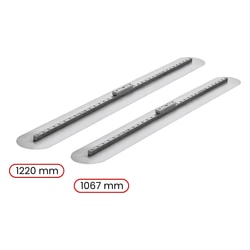 Toolsa Manganese Steel Bull Float Blade, Round End
zł1,000.00 netzł1,230.00 gross