


-
-
Concrete
-
- Concreting
- Concrete Vibrators
- Complete 230 V Mechanical Vibrators
- Vibrator Heads
- Vibrator Shafts
- Vibrator Motors
- Concrete Vibrators 42 V | 200 Hz
- Mechanical Vibrators 230 V
- 42 V | 200 Hz Head and Shaft
- 230 V Concrete Vibrators
- Vibrators With Built-In 230 V | 200 Hz Converter
- 42 V | 200 Hz Converters
- Combustion Vibrators
- Pneumatic Vibrators
- External Vibrators
- Power Trowels
- Vibratory Screeds
- Concrete Hand Tools
- Concrete Vibrators
-
-
-
-
-
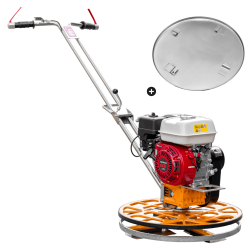
- Walk-Behind Combustion Power Trowels
-
-
-
Heating and cooling
-
Generators
-
Earthworks
-
Industrial vacuums
-
Finishing
-
Pumps
-
Measurement
-
BLOG & Tips
-
Promotions
Kategorie 16 kategorii
Kategorie
-
- Levels and Measurements
- Soil Compactors
- Tamping Rammers - Jumping Jacks
- Single Direction Vibratory Plates
- Reversible Vibratory Plates
- Rollers
- 100 kg Soil Compactors
- 200 kg Soil Compactors
- 300 kg Soil Compactors
- 400 kg Soil Compactors
- 500 kg Soil Compactors
- 600 kg Soil Compactors
- 700 kg Soil Compactors
- 800 kg Soil Compactors
- Wacker Neuson Compactors
- Accessories for Compactors
- Bomag Compactors
- Altrad Belle Compactors
- Paver Compactors
- Swepac Compactors
- Power Generators
- Concreting
- Concrete Vibrators
- Complete 230 V Mechanical Vibrators
- Vibrator Heads
- Vibrator Shafts
- Vibrator Motors
- Concrete Vibrators 42 V | 200 Hz
- Mechanical Vibrators 230 V
- 42 V | 200 Hz Head and Shaft
- 230 V Concrete Vibrators
- Vibrators With Built-In 230 V | 200 Hz Converter
- 42 V | 200 Hz Converters
- Combustion Vibrators
- Pneumatic Vibrators
- External Vibrators
- Vibratory Screeds
- Power Trowels
- Concrete Hand Tools
- Concrete Vibrators
- Pumps and Motor Pumps
- Cutting, Drilling and Grinding
- Heating and Cooling
- Wood Table Saws
- Painting and Plastering
- Combustion Engines
- Washing and Vacuuming
- Cement Mixers
- Paving Tools
- Wheelbarrows and Track Dumpers
- Demolition and Hammers
- Sales
- Levels and Measurements
Brak kategorii pasujących do wyszukiwania.
Emergency Power Generators
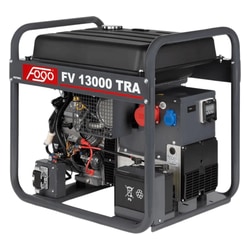
FOGO FV 13000 TRA Three-Phase Generator Set
29459zł14,957.00 tax incl. 12 160,16 zł tax excl.View technical data Zobacz szczegóły
- Weight: 129 kg
- Dimensions: 790 x 580 x 765 mm
- Engine: Vanguard 18 KM
- Fuel: Petrol
- Rated current 1~: 28,3 A
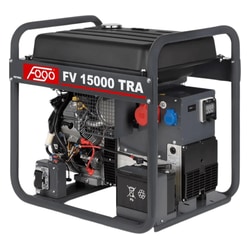
FOGO FV 15000 TRA Three-Phase Generator Set
29462zł16,340.00 tax incl. 13 284,55 zł tax excl.View technical data Zobacz szczegóły
- Weight: 132 kg
- Dimensions: 790 x 580 x 65 mm
- Voltage: 400,230 V
- Engine: Vanguard 21km
- Fuel: Bezołowiowa 95
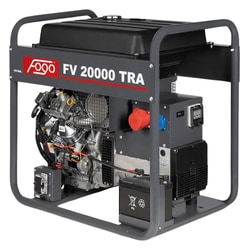
FOGO FV 20000 TRA Three-Phase Generator Set
29464zł22,074.00 tax incl. 17 946,34 zł tax excl.View technical data Zobacz szczegóły
- Weight: 161 kg
- Dimensions: 900 x 580 x 890 mm
- Engine: Vanguard 31 KM
- Fuel: Petrol
- Rated current 1~: 39,1 A
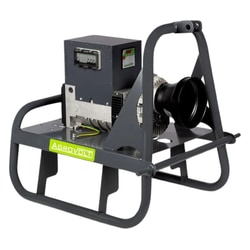
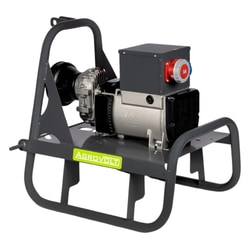
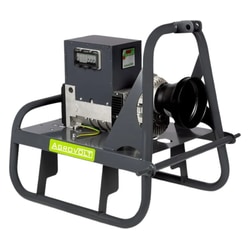
FOGO AGROVOLT AV 22 R PTO Tractor Generator Set
AV 22Rzł10,498.98 tax incl. 8 535,76 zł tax excl.View technical data Zobacz szczegóły
- Rated current 1~: 38,3 A
- Rated current 3~: 31,9 A
- Power 1~ max / znam: 8,8 kW
- Power category: 12,5 - 19,5 [kVA] 400 V
- Power 3~ max / znam: 22 kVA / 17,6 kW
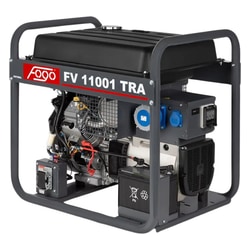
FOGO FV 11001 TRA Single-Phase Generator Set
28179zł15,363.99 tax incl. 12 491,05 zł tax excl.View technical data Zobacz szczegóły
- Weight: 132 kg
- Dimensions: 790 x 580 x 65 mm
- Voltage: 230 V
- Engine: Vanguard 21km
- Fuel: Petrol
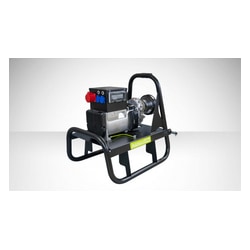
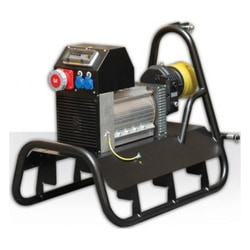
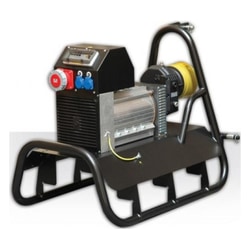
FOGO AGROVOLT AV 18 PTO Tractor Generator Set
AV 18zł7,461.18 tax incl. 6 066,00 zł tax excl.View technical data Zobacz szczegóły
- Weight: 123 kg
- Power 1~ max / znam: 7,2 kW
- Power category: 12,5 - 19,5 [kVA] 400 V
- Power 3~ max / znam: 18 kVA / 14,4 kW
- Avr voltage stabilization: Nie
FOGO AGROVOLT AV 27 Tractor PTO Generator Set
AV 27zł10,626.72 tax incl. 8 639,61 zł tax excl.View technical data Zobacz szczegóły
- Weight: 154 kg
- Power 1~ max / znam: 10,8 kW
- Power category: 12,5 - 19,5 [kVA] 400 V
- Power 3~ max / znam: 27 kVA / 21,6 kW
- Avr voltage stabilization: Nie
FOGO AGROVOLT AV 38 PTO Tractor Generator Set
AV 38zł14,870.70 tax incl. 12 090,00 zł tax excl.View technical data Zobacz szczegóły
- Weight: 186 kg
- Power 1~ max / znam: 15,2 kW
- Power category: 12,5 - 19,5 [kVA] 400 V
- Power 3~ max / znam: 38 kVA / 30,4 kW
- Avr voltage stabilization: Nie
FOGO AGROVOLT AV 38 R PTO Tractor Generator Set
AV 38Rzł16,631.00 tax incl. 13 521,14 zł tax excl.View technical data Zobacz szczegóły
- Weight: 186 kg
- Power 1~ max / znam: 15,2 kW
- Power category: 12,5 - 19,5 [kVA] 400 V
- Power 3~ max / znam: 38 kVA / 30,4 kW
- Avr voltage stabilization: Tak
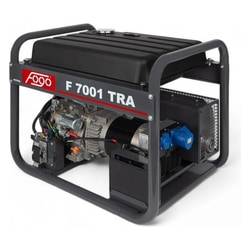
FOGO FH 7001 TRA Single-Phase Generator Set
37010zł10,116.50 tax incl. 8 224,80 zł tax excl.View technical data Zobacz szczegóły
- Weight: 97 kg
- Dimensions: 790 x 580 x 650mm
- Voltage: 230 V
- Engine: Honda GX 390
- Fuel: Petrol
FOGO AGROVOLT AV 22 Tractor PTO Generator Set
AV 22zł9,361.00 tax incl. 7 610,57 zł tax excl.View technical data Zobacz szczegóły
- Weight: 133 kg
- Power 1~ max / znam: 8,8 kW
- Power category: 12,5 - 19,5 [kVA] 400 V
- Power 3~ max / znam: 22 kVA / 17,6 kW
- Avr voltage stabilization: Nie
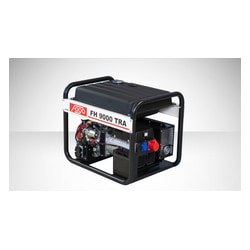
FOGO FH 9000TRA Three-Phase Generator Set
28667zł11,805.00 tax incl. 9 597,56 zł tax excl.View technical data Zobacz szczegóły
- Weight: 102 kg
- Dimensions: 790 x 580 x 650 mm
- Engine: Honda GX 390
- Fuel: Petrol
- Rated current 1~: 19,6 A
An emergency power generator is a combustion-engine unit that automatically produces electricity the moment mains supply fails, at parameters close to grid power — 230 V in the single-phase version or 400 V in three-phase. A combustion engine drives an alternator, and generator output is stated in kVA (kilovolt-amperes, the unit of apparent power — real power in kW is usually around 0.8 of the kVA value). Single-phase home units start at around 2–3 kVA and reach 8–10 kVA, while three-phase models for business and workshop use start from a dozen or so kVA.
At NORWIT.PL, emergency power generators come from the brand FOGO — single-phase and three-phase units for the home, office and building site, ready to run the moment mains power fails. The full range of generators, including higher-output models and specialist designs, is available in the parent category power generators, and all of this brand's products on the FOGO page. Below we explain how to size the output, choose the number of phases and connect a generator safely to your home or business.
Emergency power generator — how it works and when you need one
An emergency power generator is an engine-and-alternator unit that takes over supplying a building or a site the moment mains power fails. It produces voltage close to grid supply — 230 V single-phase or 400 V three-phase (3 x 230 V) — so lighting, a central-heating pump, a fridge or power tools keep running without a long interruption. Output is stated in kVA (kilovolt-amperes, the unit of apparent power — real power in kW is usually around 0.8 of the kVA figure). Single-phase home units typically run 2–10 kVA, while three-phase models for business use range from a dozen or so up to several dozen kVA.
In the NORWIT.PL offer, emergency power generators are equipment from FOGO — single-phase and three-phase units, ready for a quick start during a mains outage and for use on site without a permanent connection. The full range of generators from this brand is available on the FOGO page. Below we explain the differences between generator types, how to size the output, and the rules for a safe connection to your electrical installation.
Types of emergency power generators — single-phase and three-phase
The basic split among emergency power generators runs along phase count and start method. A single-phase generator supplies 230 V and is enough for a detached house and household appliances. A three-phase generator produces 400 V (3 x 230 V) and evenly loads three phases, which is essential when powering electric motors and larger business installations. A separate feature is the start method — manual (pull cord) or electric (single push-button) in models built for more frequent use.
| Type | What it's for | Brand at NORWIT.PL |
|---|---|---|
| Single-phase (230 V) | detached house, office, lighting, light equipment | FOGO |
| Three-phase (400 V) | business, workshop, equipment with electric motors, building site | FOGO |
| Electric start | frequent use, convenient start with no pull cord | FOGO |
| Manual start (pull cord) | occasional, emergency use, simpler design | FOGO |
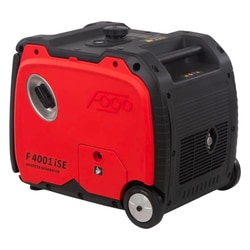
One example of a single-phase unit in this range is the FOGO FH line. Exact model specifications (output in kVA, tank capacity, noise level) are shown on the individual product pages or in the full power generators offer.
How to size a generator to your home or business needs
Generator output is sized by adding up the devices that need to keep running during an outage, plus a reserve for start-up current (fridge, pump) — usually an extra 20–30% of the total. A generator that's too small won't handle the start-up load, while one that's too large just burns fuel needlessly.
| What you want to power | Approximate output | Number of phases |
|---|---|---|
| Lighting, router, fridge, chargers | 2–3 kVA | single-phase |
| Home with a deep well or a central-heating pump | 5–6 kVA | single-phase |
| Home with air conditioning or a heat pump | 8–10 kVA | single-phase or three-phase |
| Workshop, small business, building site | 10–20 kVA | three-phase |
| Business with electric motors, compressors | 20 kVA and above | three-phase |
At borderline values, it's better to pick a generator with slightly higher output than the calculated total — a 15–20% margin protects against overload when several devices start up at the same time.
Safe connection to your installation — transfer switch and phase balance
A power generator must never be plugged directly into household sockets — doing so risks damaging the wiring and causes a shock hazard once mains power returns. A correct connection requires a mains-generator switch, known as an ATS (Automatic Transfer Switch — a system that disconnects the 230 V or 400 V installation from the grid the moment power fails and switches it to the generator, then returns to mains once it's back). Fitting an ATS, or a simpler manual changeover switch, should be done by a licensed electrician and usually takes 1–2 hours. On three-phase generators it's also important to balance loads evenly across the three phases (L1, L2, L3), since overloading a single phase will shut the unit down.
Operation: fuel, run time and maintenance
Fuel consumption depends on output and load — single-phase home units (3–6 kVA) typically burn 1.5–3 litres of petrol per hour, while larger three-phase generators (10 kVA and above) use 4–6 litres per hour. A typical 15–25-litre tank lasts 6–10 hours at an average load. Manufacturers recommend an oil change after the first roughly 20–25 hours, then every 50–100 hours. A generator left idle is best started for 10–15 minutes every few weeks.
Frequently asked questions about emergency power generators
What is an emergency power generator and when is it used?
An emergency power generator is a combustion-engine unit with an alternator that supplies electricity the moment mains power fails, at a voltage close to grid supply — 230 V single-phase or 400 V three-phase. It's used during mains outages and in locations without a permanent connection, such as a building site. Typical home units run around 2–10 kVA, while larger three-phase models reach several dozen kVA and power businesses and workshops.
How do you choose an emergency power generator for a detached house?
Sizing a generator for a detached house starts with adding up the power of the devices that need to keep running during an outage — lighting, a fridge, a central-heating pump and a router — which usually comes to around 1.5–3 kW, plus a reserve of 20–30% for start-up current. A single-phase generator of 3–6 kVA is enough for an average home, while a house with a heat pump or higher demand is better served by a 6–8 kVA model.
What's the difference between a single-phase and a three-phase generator for emergency power?
A single-phase generator supplies 230 V and is enough for a detached house and household appliances, usually up to about 8–10 kVA. A three-phase generator produces 400 V (3 x 230 V) and evenly loads three phases, which lets it power electric motors, compressors and business installations at outputs from a dozen or so up to several dozen kVA. The choice of phase must match the building's existing electrical installation.
How much power does a generator need to supply a home during an outage?
A home's basic needs — lighting, a fridge, a TV and a router — usually add up to around 1–2 kW of continuous draw. Adding a central-heating pump or a deep well raises demand to 3–5 kW, and with a reserve for start-up current a 5–6 kVA generator is a sensible choice. For homes with air conditioning or a heat pump, an 8–10 kVA unit is a more realistic pick.
Can a FOGO power generator be connected directly to a home's electrical installation?
A power generator should never be connected directly to household sockets without proper protection — doing so risks a voltage surge in the wiring and a shock hazard once mains power returns. A correct connection requires a mains-generator switch, either a manual changeover switch or an automatic ATS, which disconnects the 230 V or 400 V installation from the grid while the generator is running. Fitting this switch and connecting a FOGO generator should be done by a licensed electrician, and the job usually takes 1–2 hours.
How much fuel does a power generator use during emergency operation?
Fuel consumption depends on the generator's output and load — petrol units for the home (3–6 kVA) typically burn 1.5–3 litres per hour, while larger three-phase generators (10 kVA and above) use 4–6 litres per hour. Real consumption is often lower than at full load, since not all household appliances run at once during an outage. It's worth keeping a fuel reserve of around 20% above the estimated need.
How long can a power generator run non-stop on one tank?
Run time depends on tank capacity and load — a home generator with a 15–25-litre tank typically runs 6–10 hours at an average load, shrinking by roughly half under full load. At lower draw, run time can stretch to well over 10 hours. For longer outages, keep extra fuel on hand in approved containers.
Is an emergency power generator also suitable for off-grid work in the field?
An emergency power generator works equally well off-grid, away from any mains connection — on a building site, a plot of land or at an outdoor event. Single-phase models of 2–5 kVA are enough for hand tools and lighting, while three-phase units of 6 kVA and above handle equipment with a higher start-up load, such as compressors or submersible pumps.
Why buy an emergency power generator at NORWIT.PL
In the emergency power generators category we offer proven units from FOGO — single-phase and three-phase, ready for a quick start the moment mains power fails at home, in the office or on a building site. We advise on sizing the output and phase count to your real needs, and on a safe connection through an ATS. The full range of generators is in the parent category power generators. Orders are fulfilled online, with nationwide shipping.