


-
-
Concrete
-
- Concreting
- Concrete Vibrators
- Complete 230 V Mechanical Vibrators
- Vibrator Heads
- Vibrator Shafts
- Vibrator Motors
- Concrete Vibrators 42 V | 200 Hz
- Mechanical Vibrators 230 V
- 42 V | 200 Hz Head and Shaft
- 230 V Concrete Vibrators
- Vibrators With Built-In 230 V | 200 Hz Converter
- 42 V | 200 Hz Converters
- Combustion Vibrators
- Pneumatic Vibrators
- External Vibrators
- Power Trowels
- Vibratory Screeds
- Concrete Hand Tools
- Concrete Vibrators
-
-
-
-
-
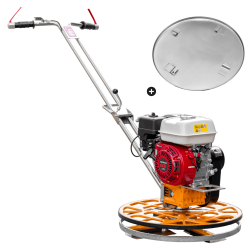
- Walk-Behind Combustion Power Trowels
-
-
-
Heating and cooling
-
Generators
-
Earthworks
-
Industrial vacuums
-
Finishing
-
Pumps
-
Measurement
-
BLOG & Tips
-
Promotions
Kategorie 16 kategorii
Kategorie
-
- Levels and Measurements
- Soil Compactors
- Tamping Rammers - Jumping Jacks
- Single Direction Vibratory Plates
- Reversible Vibratory Plates
- Rollers
- 100 kg Soil Compactors
- 200 kg Soil Compactors
- 300 kg Soil Compactors
- 400 kg Soil Compactors
- 500 kg Soil Compactors
- 600 kg Soil Compactors
- 700 kg Soil Compactors
- 800 kg Soil Compactors
- Wacker Neuson Compactors
- Accessories for Compactors
- Bomag Compactors
- Altrad Belle Compactors
- Paver Compactors
- Swepac Compactors
- Power Generators
- Concreting
- Concrete Vibrators
- Complete 230 V Mechanical Vibrators
- Vibrator Heads
- Vibrator Shafts
- Vibrator Motors
- Concrete Vibrators 42 V | 200 Hz
- Mechanical Vibrators 230 V
- 42 V | 200 Hz Head and Shaft
- 230 V Concrete Vibrators
- Vibrators With Built-In 230 V | 200 Hz Converter
- 42 V | 200 Hz Converters
- Combustion Vibrators
- Pneumatic Vibrators
- External Vibrators
- Vibratory Screeds
- Power Trowels
- Concrete Hand Tools
- Concrete Vibrators
- Pumps and Motor Pumps
- Cutting, Drilling and Grinding
- Heating and Cooling
- Wood Table Saws
- Painting and Plastering
- Combustion Engines
- Washing and Vacuuming
- Cement Mixers
- Paving Tools
- Wheelbarrows and Track Dumpers
- Demolition and Hammers
- Sales
- Levels and Measurements
Brak kategorii pasujących do wyszukiwania.
Electric Sludge Pumps
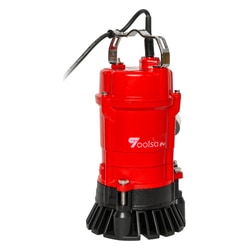
Toolsa TAX10-10-0.8 Submersible Sludge Pump
TAX10-10-0.8zł1,476.00 tax incl. 1 200,00 zł tax excl.View technical data Zobacz szczegóły
- Frequency: 50 Hz
- Voltage: 220 V
- Power: 0,8 kW
- Max. lifting height: 14 m
- Max capacity: 21 m³/h
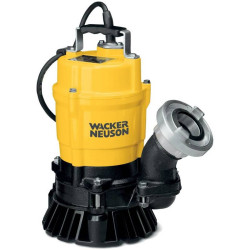
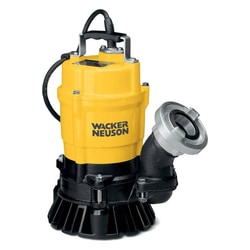
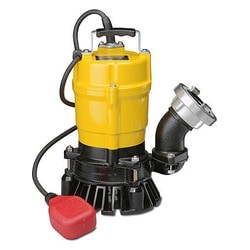
Wacker Neuson PST2 400 Submersible Sludge Pump
5000009173zł2,706.00 tax incl. 2 200,00 zł tax excl.View technical data Zobacz szczegóły
- Weight: 11,3 kg
- Dimensions: 265 x 185 x 330 mm
- Engine power: 0,4 kW / 0,5 KM
- Length of power cord_: 10 m
- Frequency: 50 Hz
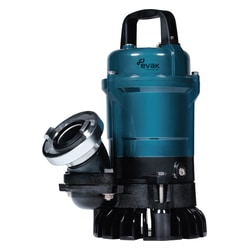
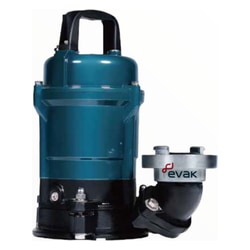
Submersible sludge pump 750W-EVAK 50 EUS-5.10S
50EUS-5.10Szł2,690.01 tax incl. 2 187,00 zł tax excl.View technical data Zobacz szczegóły
- Weight: 15,2 kg
- Engine power: 0,75 kW
- Frequency: 50 Hz
- Voltage: 230 V
- Rated current 1~: 2,6 A
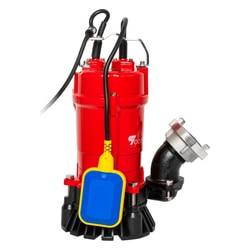
Toolsa TAX10-10-0.8F Submersible Sludge Pump With Float
TAX10-10-0.8Fzł1,599.00 tax incl. 1 300,00 zł tax excl.View technical data Zobacz szczegóły
- Frequency: 50 Hz
- Voltage: 220 V
- Power: 0,8 kW
- Max. lifting height: 14 m
- Max capacity: 21 m³/h
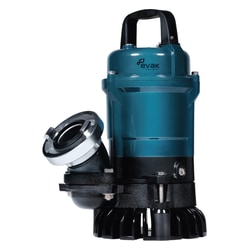
Submersible sludge pump EVAK 50 EUS-5.05S
50 EUS-5.05Szł1,993.83 tax incl. 1 621,00 zł tax excl.View technical data Zobacz szczegóły
- Weight: 11,3 kg
- Engine power: 0,37 kW | 0,5 KM
- Frequency: 50 Hz
- Voltage: 230 V
- Rated current 1~: 2,6 A
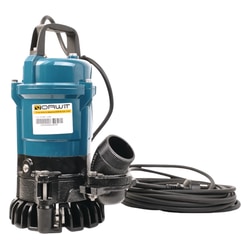
Toolsa TAX10-6-0.6 Submersible Sludge Pump With or Without Float
TAX10-6-0.6Fzł1,353.00 tax incl. 1 100,00 zł tax excl.View technical data Zobacz szczegóły
- Frequency: 50 Hz
- Voltage: 220 V
- Power: 0,6 kW
- Max. lifting height: 10 m
- Max capacity: 21 m³/h
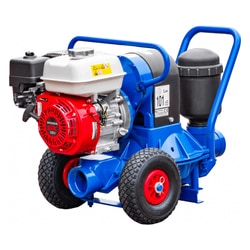
Pompa samozasysająca przeponowa Caffini Libellula 1-3″
L13TAAARNVTMH61zł16,605.00 tax incl. 13 500,00 zł tax excl.View technical data Zobacz szczegóły
- Weight: 68 kg
- Startup: Manual
- Performance: 340 l/min
- Max. lifting height: 15 m
- Cooling: Powietrzem
Evak 50EUSR5.05S Sludge Pump
50EUSR5.05Szł2,489.52 tax incl. 2 024,00 zł tax excl.View technical data Zobacz szczegóły
- Weight: 11,3 kg
- Dimensions: 310 x 243 mm
- Engine power: 0,37 kW / 0,5 KM
- Frequency: 50 Hz
- Voltage: 230 V
Wacker Neuson PST2 400 Submersible Sludge Pump (with Float)
5000008789zł2,952.00 tax incl. 2 400,00 zł tax excl.View technical data Zobacz szczegóły
- Weight: 11,3 kg
- Dimensions: 265 x 185 x 330 mm
- Engine power: 0,4 kW / 0,5 KM
- Length of power cord_: 10 m
- Frequency: 50 Hz
Pompa szlamowa zatapialna 1500W-EVAK 80 EUS-5.20 SAK
EUS-5.20-SAKzł4,858.50 tax incl. 3 950,00 zł tax excl.View technical data Zobacz szczegóły
- Weight: 20,5 kg
- Engine power: 1,5 kW / 2 KM
- Frequency: 50 Hz
- Voltage: 230 V
- Performance: 660 l/min
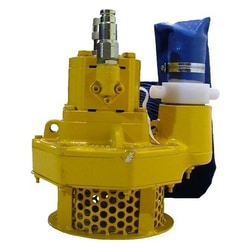
Altrad Belle Hydraulic Sludge Pump (midi/major)
2322-Szł7,195.50 tax incl. 5 850,00 zł tax excl.View technical data Zobacz szczegóły
- Weight: 10 kg
- Dimensions: Brak danych
- Engine power: -
- Length of power cord_: -
- Frequency: -
DHP 65 DH 26 DH 44 DH 62 DH 92 Water Pump
4512.441zł1,198.00 tax incl. 973,98 zł tax excl.No technical data available Zobacz szczegóły
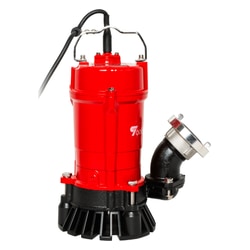
An electric sludge pump is a submersible unit (immersed directly in the liquid) for pumping heavily contaminated water — carrying mud, sand, silt and suspended solids that a standard clean-water pump cannot pass. It is driven by an electric motor fed from a 230 V or 400 V mains supply, and an open impeller with wide discharge ports lets it pass solid particles typically from around 25 to 50 mm. This means a sludge pump can dewater flooded cellars and garages, construction excavations, manholes, garden ponds and building sites — quickly and unattended, when fitted with a float switch.
At NORWIT.PL we offer electric sludge pumps from Wacker Neuson (PST2 line), Evak (EUS series) and Toolsa — all in submersible form. You will find models with a float switch for automatic operation, as well as flood pumps with a flood plate that draw water down to just a few millimetres off a flat floor. Equipment from Wacker Neuson and Evak sits within the broader electric pumps category, and where mains power is not available, engine-driven sludge motor pumps take over. Below we explain how to match output, total head and maximum particle size to your application.
Electric sludge pump — what it does and how it works
A sludge pump is a pump built for heavily contaminated liquid — water carrying mud, sand, silt and suspended solids (fine particulate matter). Unlike a clean-water pump, it has an open or semi-open impeller (the part that pushes the liquid) and wide ports, so it passes solid particles typically from around 25 to 50 mm and does not clog on muddy water. The submersible version works fully immersed in the liquid.
The motor runs off mains power: smaller units on 230 V, more powerful ones on 400 V. Typical output is roughly 0.75–2.2 kW, flow reaches from a dozen or so to several dozen m³/h, and the total head (the level difference the pump can push water to) usually reaches up to around 10–15 m. You will find them primarily from Wacker Neuson and Toolsa, complemented by Evak; the group sits within the electric pumps category.
Types of electric sludge pumps
The category covers submersible pumps only, differing in automation and how they draw off the last of the water. A standard pump empties a tank down to a few centimetres, the float-switch version runs unattended, and a flood pump with a flood plate goes down to just a few millimetres.
| Type | What for | Examples in range |
|---|---|---|
| Submersible sludge pump | pumping water with mud, sand and suspended solids from excavations, manholes and tanks | Wacker Neuson PST2 400, Evak 50 EUS-5.05S, Toolsa sludge pumps |
| Sludge pump with float switch | automatic dewatering of floods and cellars based on water level | Wacker Neuson PST2 400 (with float switch) |
| Flood pump with flood plate | drawing water down to a few millimetres off a flat floor | Wacker Neuson PST2 400 with flood plate |
For thorough floor drying without swapping the whole pump, a separate flood plate for flat-surface drainage fits the PST2 units. Without mains power, an engine-driven sludge motor pump is the better choice, placed on the bank and started from its own engine.
Popular sludge pump models at NORWIT.PL
Below is a cross-section of the range: from home-use Evak and Toolsa pumps to professional Wacker Neuson PST2-line units with flood accessories.
| Model | Type | Application |
|---|---|---|
| Wacker Neuson PST2 400 | sludge | excavations and water with suspended solids |
| Wacker Neuson PST2 400 (with float switch) | automatic | floods and cellars, unattended |
| Wacker Neuson PST2 400 with flood plate | flood | drawing water off a floor |
| Evak 50 EUS-5.10S (approx. 750 W) | sludge | home and workshop dewatering |
| Evak 50 EUS-5.05S | sludge | smaller floods, jobs around the house |
| Toolsa sludge pumps | sludge | budget site dewatering |
The Wacker Neuson PST2 line is the strongest segment of the category — with an optional float switch and flood accessories. Evak EUS-series pumps, including a model rated at approximately 750 W, are lighter and cheaper, while Toolsa pumps are a budget entry point into building-site dewatering.
Electric sludge pump vs engine-driven sludge motor pump
These are two different designs for the same task. An electric sludge pump is submersible and quiet, but it needs a socket or a generator nearby. A sludge motor pump, with its own combustion engine, is self-priming and started independently of the mains.
| Feature | Electric pump (submersible) | Engine-driven motor pump |
|---|---|---|
| Drive and setup | 230/400 V electric motor, submerged in the liquid | combustion engine, placed on the bank with a suction hose |
| Output | typically a dozen or so to several dozen m³/h | often over 60–100 m³/h |
| Noise and power | quiet, no exhaust, needs mains or a generator | loud, produces exhaust, independent of electricity |
| Best for | cellars, excavations, manholes, tanks | sites without power, large floods, construction |
An electric pump suits permanent tasks inside a building, while a sludge motor pump fits jobs where mobility matters and there is no power. In large floods, the two are sometimes used together.
How to match pump output and power to excavation depth
Sizing a pump comes down to three parameters: output (m³/h) — how much water it moves per unit of time; total head (m) — the level difference between the pump and the outlet plus hose friction losses (every 10 m of horizontal hose "costs" around 1 m of head); and particle size (mm) — how coarse the debris the pump can pass. Excavation depth translates directly into the required head and motor power.
| Application | Output | Total head | Particle size |
|---|---|---|---|
| Flooded cellar or garage | approx. 10–20 m³/h | up to 8–10 m | up to approx. 25–35 mm |
| Construction excavation, manhole | approx. 20–40 m³/h | 10–15 m | up to approx. 35–50 mm |
| Garden pond, tank | approx. 15–30 m³/h | up to 10 m | up to approx. 30 mm |
The figures in the table are approximate ranges — exact performance curves are given on each product page. The deeper the excavation, the larger the power reserve needs to be, since at maximum head the real flow rate drops close to zero. It is safest to pick a model with a 20–30% margin above the calculated requirement.
Frequently asked questions about electric sludge pumps
What is an electric sludge pump and what is it used for?
An electric sludge pump is a submersible unit with an electric motor for pumping water contaminated with mud, sand and suspended solids. An open impeller and wide ports (2–3 inches, or 50–80 mm) pass solid particles typically from around 25 to 50 mm without clogging. The motor runs off a 230 V or 400 V mains supply, with typical power in the range of 0.75–2.2 kW. The pump dewaters flooded cellars, garages, excavations, manholes and ponds, especially when fitted with a float switch.
What is the difference between a sludge pump and a standard clean-water pump?
A clean-water pump has a closed impeller and narrow flow channels, so it clogs at even a small amount of sand or mud — it typically passes particles only up to around 5 mm. A sludge pump has an open or semi-open impeller and wide 50–80 mm (2–3 inch) ports, discharging debris up to around 25–50 mm without blocking. Its housing and impeller are also more wear-resistant, since sand acts like sandpaper. That is why a sludge pump is the right choice for water carrying suspended solids.
Can an electric sludge pump handle sand and fine rubble?
A sludge pump handles sand, mud and fine rubble up to the limit stated for the model — typically from around 25 to 50 mm, depending on port diameter (2, 2.5 or 3 inches). Sand wears abrasively on the impeller and housing, so where large volumes are involved, it is worth choosing a model with a cast-iron or steel impeller rather than plastic. Larger chunks of rubble and stones exceeding the model's maximum particle size can jam the impeller or damage the seal.
Which electric sludge pump should I choose for excavations and building sites — Wacker Neuson or Evak?
For construction excavations, where the water carries more sand and mud, Wacker Neuson PST2-line units work well — available in a standard version and with a float switch. Evak EUS-series pumps, including a model rated at approximately 750 W, are lighter and cheaper for smaller excavations and jobs around the house. Professional pumps in this class run at around 20–40 m³/h and a head of up to 10–15 m — the choice mainly depends on the scale of the job.
What is the difference between a submersible pump and a flood pump with a flood plate?
A standard submersible pump draws water into its body and leaves a residual layer on the floor of typically 20–50 mm that it cannot reach. A flood pump has a flat adapter — the flood plate — fitted underneath, spreading suction over a wide surface so it draws water down to just a few millimetres. The Wacker Neuson PST2 400 with flood plate thoroughly dries a floor after a flood, while a standard submersible pump suits larger volumes of water in an excavation. The plate for the PST2 is sold separately.
How does a float switch work on a sludge pump?
A float switch is a float connected to an electrical switch that rises and falls with the water level around the pump. Above the switch-on threshold — usually around 10–15 cm above the pump's base — it starts the motor; below around 3–5 cm it cuts power and protects the pump from running dry. This means a pump fitted with a float switch, such as the Wacker Neuson PST2 400 with float switch, can dewater a cellar or excavation unattended for many hours.
What power supply does an electric sludge pump need — 230 V or 400 V?
Smaller and mid-size sludge pumps run single-phase off a 230 V mains supply, provided the circuit can handle a current draw of around 3.5–10 A at 0.75–2.2 kW. More powerful units need a three-phase 400 V supply, which delivers higher motor power without loading a single phase. When using an extension lead, the cable cross-section must be adequate, because one that is too thin causes voltage drop and motor overheating on runs longer than 20–30 m.
Is an electric sludge pump suitable for drying out a cellar after a flood?
An electric sludge pump is well suited to drying out a cellar after a flood, because it copes with water carrying mud, sand and sediment — a clean-water pump would clog after just a few millimetres of sediment. A model with a float switch turns on and off automatically, so it runs unattended for many hours, typically moving around 10–20 m³/h. To draw off the last few millimetres of water from a floor, a flood pump with a flood plate does the job.
What is the difference between an electric sludge pump and an engine-driven sludge motor pump?
An electric sludge pump is submersible — it works fully immersed in the liquid, quietly and without exhaust, but it needs a 230 V or 400 V mains supply or a generator. An engine-driven sludge motor pump has its own petrol or diesel engine, is self-priming, sits on the bank and starts independently of the mains, with output often exceeding 60–100 m³/h. An electric pump suits cellars and places with power, while a motor pump suits large floods with no power supply.
How do I match pump power and output to excavation depth?
Pump output (m³/h) is matched to the volume of water flowing into the excavation — 10–20 m³/h is enough for shallow ones, while deeper excavations need 20–40 m³/h. Excavation depth translates into total head (the level difference between the pump and the outlet plus hose friction losses) — every 10 m of horizontal hose adds around 1 m of head. Motor power (0.75–2.2 kW) rises with output, so for deep excavations it is worth choosing a model with a 20–30% margin.
Why buy an electric sludge pump at NORWIT.PL
We focus on equipment for real dewatering work: our range includes electric sludge pumps from Wacker Neuson, Evak and Toolsa — from home units to the professional PST2 line with a float switch and flood accessories. We help match output, head and particle size to the task at hand. Sludge pumps complement electric pumps, and where there is no power, we offer engine-driven sludge motor pumps instead. Orders are placed online, with nationwide shipping.