

-

Concrete
-
- Concreting
- Concrete Vibrators
- Complete 230 V Mechanical Vibrators
- Vibrator Heads
- Vibrator Shafts
- Vibrator Motors
- Concrete Vibrators 42 V | 200 Hz
- Mechanical Vibrators 230 V
- 42 V | 200 Hz Head and Shaft
- 230 V Concrete Vibrators
- Vibrators With Built-In 230 V | 200 Hz Converter
- 42 V | 200 Hz Converters
- Combustion Vibrators
- Pneumatic Vibrators
- External Vibrators
- Power Trowels
- Vibratory Screeds
- Concrete Hand Tools
- Concrete Vibrators
-
-
-
-
-
- Walk-Behind Combustion Power Trowels
-
-
-
Heating and cooling
-
-
-
- Cooling and ventilation
-
-
- cooling
-
-
-

Generators
-
-
-
-
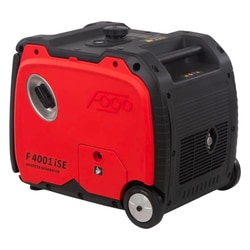
- Inverter Generators
-
-
-
Earthworks
-
-
-
-
-
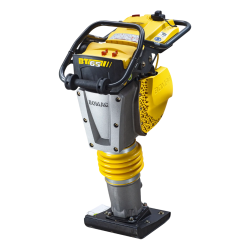
- Tamping rammers – jumping jacks
-
-
-
Industrial vacuums
-
-
- Cleaning and accessories
-
-
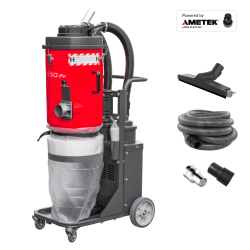
- Industrial vacuum cleaners
-
-
-
Finishing
-
-
-
- Bestseller
-
-
-
Pumps
-
-
-
-
- Bestseller
-
-
-

Measurement
-
-
-
-
-
-
-
- Bestseller
-
-
-

BLOG & Tips
-

Promotions
1 / 3
Barikell · Cat. no. BKG-04821LT5CH
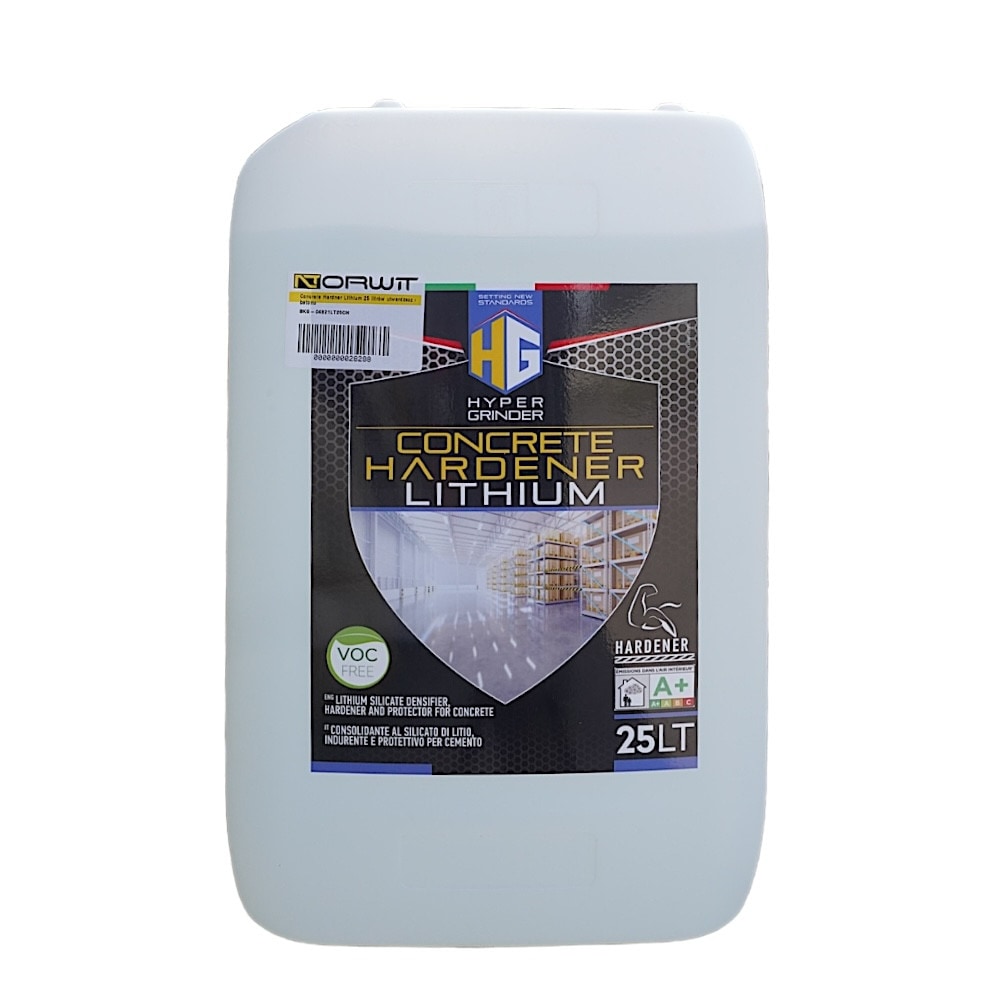
Barikell Concrete Hardener Lithium densifier

zł325.00 net
zł399.75 gross
Leasing for businesses
from zł33.61 net / month
Indicative calculation · you set the terms

ING leasing is not available for this amount — call us and we will arrange financing +48 732 081 091
Pojemność (l): 5Ordering several sizes? Table of 2 sizes
On order
sourced from the supplier
Ships in about 10 days
from the order date
Arrives a day after dispatch
we will confirm the date with your order
In stock
1 pcs in stock
Same-day dispatch
order by 13:00
Arrives next day
on working days
Prefer to talk? +48 732 081 091

- 25 years on the market
- Own warehouse 1200 m²
- Returns up to 14 days
- Free delivery over PLN 3,000
Ordering several sizes?
2 sizes · prices per unit · stock as of today
| Pojemność (l) | Cat. no. | Net price | Gross | Availability | Quantity |
|---|---|---|---|---|---|
| 5 | BKG-04821LT5CH | zł325.00 | zł399.75 | 1 pcs | |
| 25 | BKG-04821LT25CHdobry | zł1,300.00 | zł1,599.00 | approx. 10 days |
Accessories

Description
Barikell Concrete Hardener Lithium — lithium silicate concrete densifier, 5 l and 25 l
Concrete Hardener Lithium is an aqueous lithium silicate solution (densifier) that penetrates the pores and capillaries of concrete and reacts with free calcium hydroxide to form insoluble calcium silicates. The surface becomes harder, denser and resistant to abrasion, dusting and liquid penetration — without a coating that could peel. Coverage 15–20 m² per litre in a grinding cycle; 5 l and 25 l packs. It is stage 2 of the FAST and PREMIUM procedures in the Barikell polishing system.
How it works and how it differs from a film-forming sealer
The product forms no film — it reacts chemically with the substrate, so it does not peel, yellow or need rinsing off. Lithium silicate has a smaller molecule than sodium or potassium silicates, so it penetrates deeper and leaves no white efflorescence or slippery layer on the surface. The manufacturer quotes very low VOC emission, ready-to-use application without dilution and reduced alkali–silica reaction (ASR).
Application step by step
Apply with a low-pressure sprayer or microfibre mop to a clean, dust-free floor and keep the substrate wet for 20–30 minutes, adding product where it soaks in faster; do not rinse off the excess. Wait 6–12 hours before further grinding or polishing. Working temperature 5–40 °C. One coat; on very absorbent concrete coverage drops to the lower limit of 15 m²/l.
Where it sits in the process
In a polishing procedure the densifier comes after metal grinding (HGM for medium concrete segments or another HG series) and the first resin grits, and before further polishing with Jumpy Ø 75 mm polishing discs — a hardened surface gives a higher and more durable gloss. It can also be used on its own on new and existing industrial floors, indoors and outdoors, as a dust-proofing treatment.
Limitations
Do not use on asphalt, non-cementitious or painted surfaces. The product does not fill cracks or repair structurally weak concrete — loose, crumbling areas must be removed first. At the end of the cycle the surface is protected with a finishing product that closes the pores against stains and adds gloss.
Concrete Hardener Lithium — available at NORWIT.PL
The densifier comes from Barikell (HG Hyper Grinder system); choose the 5 l or 25 l pack. Finish with Concrete Guard Lithium PRO; grinding and polishing tools are in diamond segments and pads, all chemicals in polishing chemicals, and the FAST and PREMIUM procedures are described on the concrete polishing trowels page.
Gwarancja
.png)
Roczna Gwarancja na Produkty Barikell
Firma Barikell oferuje roczną gwarancję na całość swojej oferty produktowej. Oznacza to, że każde urządzenie zakupione od Barikell jest objęte pełną ochroną przez 12 miesięcy od daty zakupu.
Roczna gwarancja obejmuje wszystkie komponenty i podzespoły, zapewniając bezproblemowe użytkowanie przez cały okres ochrony.
Questions and answers
What is the order of polishing concrete?
After grinding with metal segments (grits 20–140) move on to Jumpy Ø 75 mm resin discs in grits 60, 120, 220, 400 and 800. After grit 60–120 apply the lithium densifier Concrete Hardener (15–20 m²/l, wet for 20–30 minutes, 6–12 hours' break), then continue polishing to the desired gloss, and finally apply Concrete Guard Lithium in two coats (35–70 m²/l) and buff. In the Barikell system these are the FAST and PREMIUM procedures.
Why a densifier if concrete is already hard?
The top layer of concrete contains free calcium hydroxide and pores through which the floor dusts and absorbs liquids. Lithium silicate reacts with that lime to form insoluble calcium silicates that fill the pores and raise surface hardness — without forming a coating. A densified surface dusts less, wears more slowly and lets the resins reach a higher gloss. A densifier does not fill cracks or repair weak concrete.
How does Concrete Hardener differ from Concrete Guard?
Concrete Hardener Lithium is a densifier: it penetrates, reacts with the cement and compacts the structure; one coat in the middle of the process, 15–20 m²/l. Concrete Guard Lithium PRO is a finishing product: it forms a thin cement-bonded micro-layer that seals pores against stains and water, adds gloss and is antibacterial; at least two coats at the end, 35–70 m²/l. Neither replaces the other.
How much product does a 1000 m² floor need?
At 15–20 m² per litre, Concrete Hardener for 1000 m² needs about 50–65 litres, i.e. two to three 25 l packs; very absorbent concrete pushes consumption towards the upper limit. Concrete Guard in two coats (35–70 m²/l first, about 70 m²/l second) is about 30–45 litres per 1000 m². Actual consumption depends on the grit you apply after and on substrate absorbency — order with a 10 percent reserve.
Jumpy discs dry or wet?
Jumpy resins work in both modes. Dry, the surface gains gloss faster and a HEPA vacuum takes the dust; wet, the discs run cooler and last longer, but slurry must be collected and the floor dried before applying densifier or Guard. On hard concrete add a pass instead of pressure — overheated resin loses its diamond and leaves streaks.
Do the same discs fit a grinder and a polishing trowel?
Yes — Jumpy Ø 75 mm discs are the common tool of the system: on a BKG grinder they mount on the hook-and-loop adapter plate in the Quick Lock socket, on the Moskito 4-60 Polishing edge machine on the 600 mm hook-and-loop plate, and on the MK8-75/MK8-90 Polishing trowels and the Blade Kit attachment on Ø 240/300 mm hook-and-loop interfaces. The middle of the hall, the edges and the stairs are therefore finished with the same grit and the same gloss.