




-

Concrete
-
- Concreting
- Concrete Vibrators
- Complete 230 V Mechanical Vibrators
- Vibrator Heads
- Vibrator Shafts
- Vibrator Motors
- Concrete Vibrators 42 V | 200 Hz
- Mechanical Vibrators 230 V
- 42 V | 200 Hz Head and Shaft
- 230 V Concrete Vibrators
- Vibrators With Built-In 230 V | 200 Hz Converter
- 42 V | 200 Hz Converters
- Combustion Vibrators
- Pneumatic Vibrators
- External Vibrators
- Power Trowels
- Vibratory Screeds
- Concrete Hand Tools
- Concrete Vibrators
-
-
-
-
-
- Walk-Behind Combustion Power Trowels
-
-
-
Heating and cooling
-
-
-
- Cooling and ventilation
-
-
- cooling
-
-
-

Generators
-
-
-
-
- Inverter Generators
-
-
-

Earthworks
-
-
-
-
-
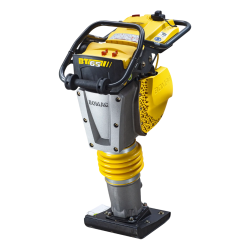
- Tamping rammers – jumping jacks
-
-
-

Industrial vacuums
-
-
- Cleaning and accessories
-
-
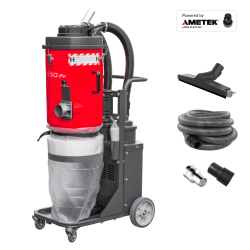
- Industrial vacuum cleaners
-
-
-
Finishing
-
-
-
- Bestseller
-
-
-

Pumps
-
-
-
-
- Bestseller
-
-
-

Measurement
-
-
-
-
-
-
-
- Bestseller
-
-
-

BLOG & Tips
-

Promotions
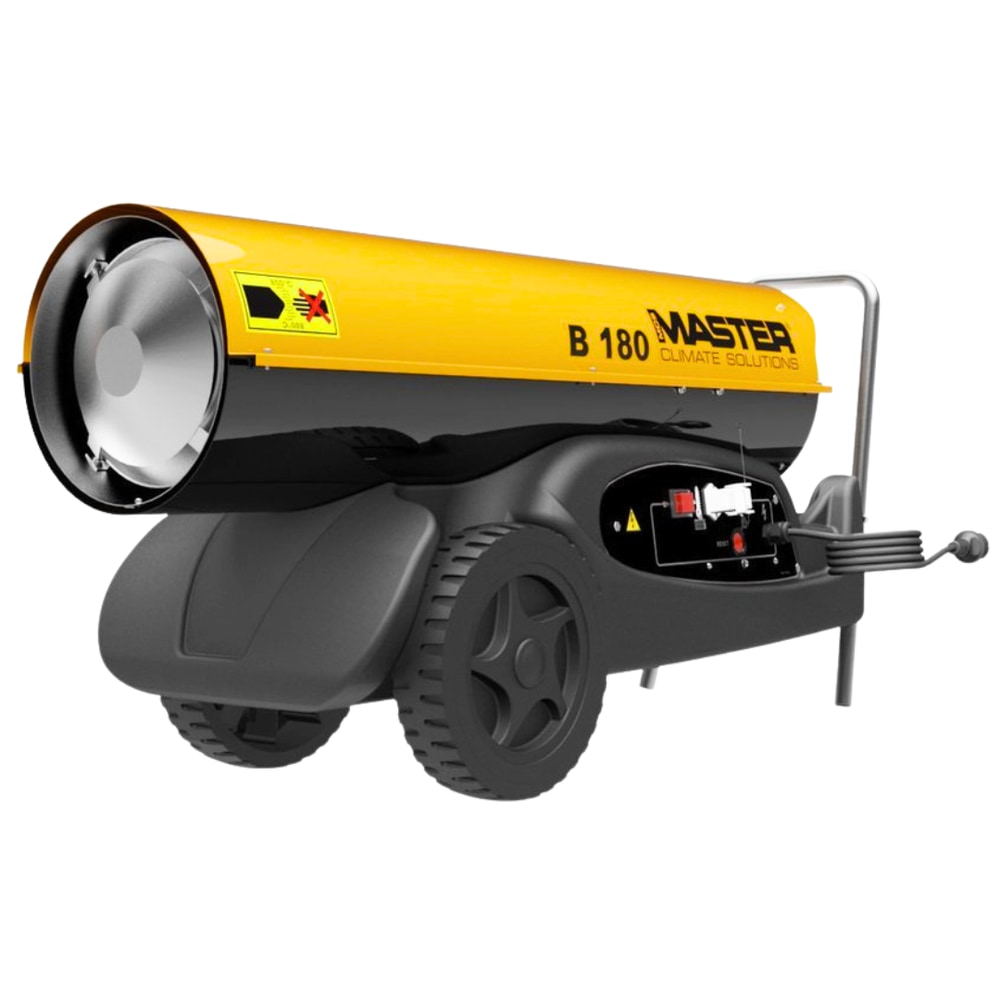
Master Heaters · Cat. no. 4010.181
Master B 180 Direct-Fired Oil Heater

- 48 kW | 165 000 Btu/h | 41 200 kcal/h
- 30 kg
- 1165 × 380 × 550 mm
- 50 Hz
zł3,821.13 net
zł4,699.99 gross
Not available online
We sell this model after a talk with our advisor · +48 732 081 091
Prefer to talk? +48 732 081 091

- 25 years on the market
- Own warehouse 1200 m²
- Returns up to 14 days
- Free delivery over PLN 3,000
Accessories
 Podgrzewacz paliwa Master (B 180 | BV 77)
zł498.37 netzł613.00 gross
 Termostat pomieszczeniowy elektroniczny Master THD (5–10 m)
zł1,040.00 netzł1,279.20 gross
 Termostat pomieszczeniowy mechaniczny Master TH5 (3–10 m)
 Zestaw części eksploatacyjnych Master (B 180)
zł139.00 netzł170.97 gross
- Need a different part?We will match it to your machine+48 732 081 091
Description
Master B 180 Direct-Fired Oil Heater
The Master B 180 is a direct-fired oil heater rated at 48 kW (165,000 Btu/h) with an air flow of 1,550 m³/h. Direct combustion sends all the heat from the burnt fuel straight into the room, so efficiency approaches 100% — but continuous ventilation is required. A 36 l tank at 4.5 l/h of fuel consumption gives roughly 8 hours of continuous operation.
48 kW for halls, construction sites and large spaces
With 48 kW of heat output and 1,550 m³/h of air flow, the B 180 covers several hundred square metres of a standard-height hall. The high-pressure fan produces a long throw of hot air, so a single unit heats a space that would otherwise need two or three 20–30 kW heaters placed around it. Typical uses are building shells, production halls, warehouses, workshops and event marquees.
Direct-fired — what it means in practice
A direct-fired heater has no heat exchanger and no flue: the flame heats the air directly and the exhaust gases leave with the air stream. This gives maximum efficiency and zero installation cost, but limits use to spaces that are permanently ventilated and not continuously occupied. For enclosed rooms with people working in them, choose an indirect-fired heater instead.
Fuel: diesel, kerosene or HVO 100
The B 180 runs on diesel, kerosene and HVO 100 — hydrotreated vegetable oil, a renewable fuel with properties close to diesel. Three filters keep the fuel clean: one in the fuel pump, one on the suction line and one at the tank filler. The transparent external filter lets you check fuel condition without opening the casing, and a snorkel vents the tank.
Handling, control and safety
At 30 kg with a wheel kit and handle as standard, one person can move the unit around a site. Power supply is 230 V with a 0.3 kW draw at 1.5 A, protection rating IP40. An overheat thermostat cuts the burner if temperature rises too far, and the post-shutdown cool-down purges the combustion chamber and protects internal components. An LED indicator shows the operating status.
Master B 180 at NORWIT.PL
The B 180 is the most powerful model in the direct-fired B range — smaller variants of the same series are in the direct-fired oil heaters category, and the full line-up is on the Master page. For sub-zero work consider a fuel pre-heater, and for holding a set temperature a room thermostat; both accessories are listed in the related products section below.
Technical data
- Cat. no.
- 4010.181
- Weight
- 30 kg
- Dimensions
- 1165 × 380 × 550 mm
- Frequency
- 50 Hz
- Fuel
- Olej napędowy | nafta | HVO 100
- Fuel consumption
- 4,5 l/h
- Power supply
- 230 V
- Tank capacity
- 36 l
- Thermostat control
- Mechaniczny | elektroniczny
- Degree of protection
- IP40
- Operating time on a full tank
- 8 h
- Prąd znamionowy
- 1,5 A
- Air flow
- 1 550 m³/h
- Moc grzewcza
- 48 kW | 165 000 Btu/h | 41 200 kcal/h
- Moc elektryczna
- 0,3 kW
Gwarancja

Gwarancja Master Heaters: 12 miesięcy ochrony z możliwością przedłużenia
Firma Master Heaters oferuje roczną gwarancję na wszystkie swoje produkty. Dodatkowo, klienci mogą przedłużyć ochronę do 3 lat poprzez zarejestrowanie produktu.
Roczna gwarancja obejmuje wszystkie komponenty i podzespoły, a rejestracja produktu umożliwia wydłużenie ochrony do 36 miesięcy, co gwarantuje bezproblemowe użytkowanie przez dłuższy czas.
Questions and answers
How does a direct-fired oil heater work?
A direct-fired heater warms the air with the burner flame, without a heat exchanger in between. The fan pushes air through the combustion chamber and the stream of hot air leaves into the room together with the exhaust gases. With no exchanger and no flue, virtually all the energy in the fuel becomes usable heat — efficiency approaches 100%, whereas an indirect-fired unit loses part of its heat up the chimney. The price for that efficiency is mandatory ventilation: exhaust gases, water vapour and carbon dioxide stay in the heated space.
What is the difference between a direct-fired and an indirect-fired heater?
The difference comes down to the heat exchanger and the flue. A direct-fired model such as the Master B 180 blows exhaust gases into the room and suits only permanently ventilated spaces without people working in them continuously — building shells, halls between shifts, marquees. An indirect-fired model (the BV series) has an exchanger separating exhaust from the delivered air plus a flue pipe, so it can run where people stay all day. The trade-off is lower efficiency and the need to route a chimney outside.
What area will the Master B 180 heat?
At 48 kW of output and 1,550 m³/h of air flow, the Master B 180 covers several hundred square metres of a standard-height hall. The exact figure depends on volume, insulation and outside temperature, so power demand matters more than floor area: an uninsulated industrial hall needs roughly 40–60 W per cubic metre, an insulated building 25–35 W. At 48 kW that works out from about 800 m³ in demanding conditions to close to 1,900 m³ in a well-insulated building.
How much fuel does the Master B 180 use and how long does a tank last?
The Master B 180 burns 4.5 litres of fuel per hour at full output. The tank holds 36 litres, which gives roughly 8 hours of continuous running — a full shift without refuelling. The tank has a fuel level gauge, so you can see when to top up without opening the filler. Real consumption is often lower when the heater runs under a room thermostat that shuts the burner down once the set temperature is reached.
Is the Master B 180 suitable for a garage or workshop?
The Master B 180 works in a garage or workshop only if the space is permanently ventilated and people are not present continuously while it runs. The typical pattern is heating a cold hall before work starts and switching the heater off while the crew is inside. At 48 kW this model is usually too powerful for a single garage — smaller variants of the B series fit those volumes better. For a workshop staffed through the whole shift, an indirect-fired heater is the right choice.
Can the Master B 180 run on HVO 100?
The Master B 180 runs on diesel, kerosene and HVO 100 — hydrotreated vegetable oil. HVO 100 is a renewable fuel with properties close to diesel, made from vegetable oils and waste fats, and approved by the manufacturer with no modification to the unit. At 4.5 l/h, choosing HVO changes neither running time nor heat output, while cutting lifecycle emissions. Whatever the fuel, three filters keep it clean: one in the fuel pump, one on the suction line and one at the tank filler.
What ventilation does a direct-fired heater require?
A direct-fired heater needs a constant supply of fresh air the whole time it runs — open doors, windows or working mechanical ventilation. Combustion consumes oxygen and releases exhaust gases and water vapour into the room, so the space must never be sealed. The Master B 180 has an IP40 protection rating and an overheat thermostat that cuts the burner if temperature climbs too high, but no on-board safety device replaces ventilation. Where a building cannot be ventilated, an indirect-fired heater is the correct solution.
Which accessories fit the Master B 180?
The main accessories for the Master B 180 are a fuel pre-heater, which stops diesel waxing in sub-zero work, and a room thermostat — mechanical TH5 or electronic THD — which shuts the burner down at the set temperature and brings consumption below 4.5 l/h. A service parts kit covers the components that wear during operation. All of these are listed in the related products section on this page.
