




-

Concrete
-
- Concreting
- Concrete Vibrators
- Complete 230 V Mechanical Vibrators
- Vibrator Heads
- Vibrator Shafts
- Vibrator Motors
- Concrete Vibrators 42 V | 200 Hz
- Mechanical Vibrators 230 V
- 42 V | 200 Hz Head and Shaft
- 230 V Concrete Vibrators
- Vibrators With Built-In 230 V | 200 Hz Converter
- 42 V | 200 Hz Converters
- Combustion Vibrators
- Pneumatic Vibrators
- External Vibrators
- Power Trowels
- Vibratory Screeds
- Concrete Hand Tools
- Concrete Vibrators
-
-
-
-
-
- Walk-Behind Combustion Power Trowels
-
-
-
Heating and cooling
-
-
-
- Cooling and ventilation
-
-
- cooling
-
-
-
Generators
-
-
-
-
- Inverter Generators
-
-
-
Earthworks
-
-
-
-
-
- Tamping rammers – jumping jacks
-
-
-
Industrial vacuums
-
-
- Cleaning and accessories
-
-
- Industrial vacuum cleaners
-
-
-
Finishing
-
-
-
- Bestseller
-
-
-
Pumps
-
-
-
-
- Bestseller
-
-
-
Measurement
-
-
-
-
-
-
-
- Bestseller
-
-
-

BLOG & Tips
-

Promotions
Nozar · Cat. no. PL6700412
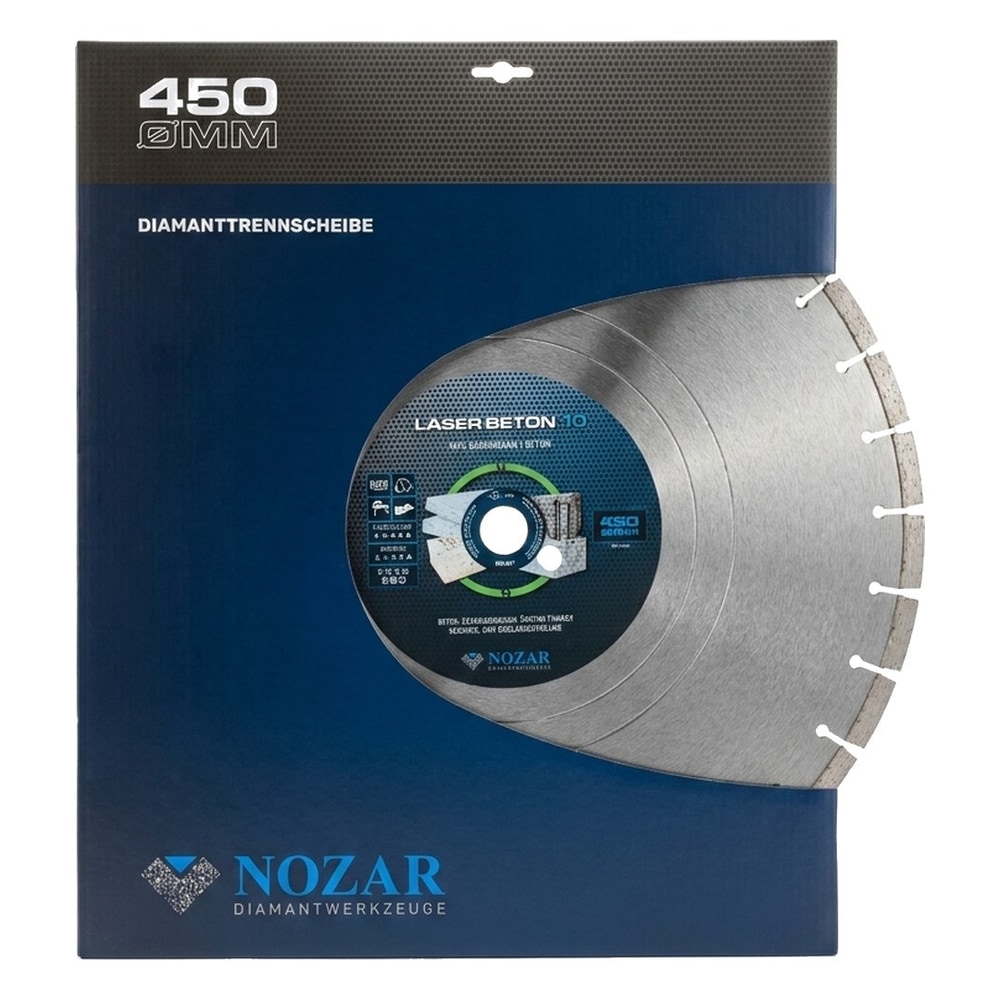
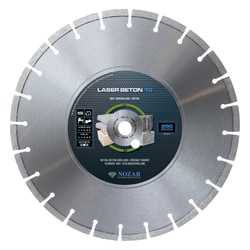
Nozar Laser Beton 10 Diamond Blade for Reinforced Concrete (450 x 25.4 mm)

- Beton
- 25,4 mm
- 10 mm
Price on request
quoted individually
On order
ships from the supplier's warehouse
Lead time in the quote
together with the price
Fastest by phone
Prefer to talk? +48 732 081 091

- 25 years on the market
- Own warehouse 1200 m²
- Returns up to 14 days
- Expert advice on choosing equipment
Accessories
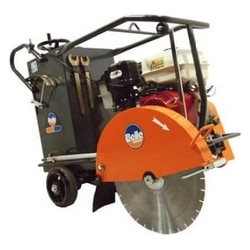 Disc Cutter Altrad Belle RANGER 450 Road Mobile Cutting Machine Max Blade. 450mm Honda GX390 Engine
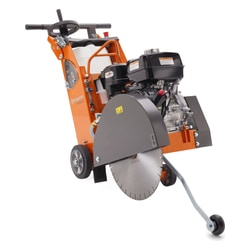 Husqvarna FS 400 LV Floor Saw (450 mm)
 Nozar Laser Concrete 10 350x25.4 Mm Diamond Blade
 Nozar Laser Concrete 10 500mm Diamond Blade
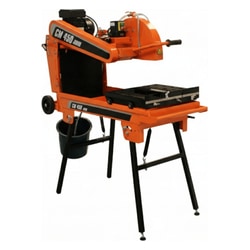 Norton Clipper CM 450 Junior Table Saw.
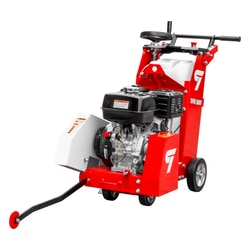 Toolsa TFS 500 Concrete And Asphalt Floor Saw (Honda GX 390)
- Need a different part?We will match it to your machine+48 732 081 091
Description
A 450 mm blade for reinforced concrete, clinker and general building materials
The Nozar Laser Beton 10 is a segmented diamond blade with a 450 mm diameter and a 25.4 mm arbor, made for cutting concrete, reinforced concrete, medium-hard clinker and general building materials. The 10 mm segments are laser-welded to the steel core (SAFE LASER marking, EN 13236). The blade is for wet cutting only, meaning water fed onto the segment — exactly how the floor saws and table saws it mounts on are designed to run. This is a different class of tool than the sintered 115–230 mm blades used on angle grinders.
Reinforced concrete without a blade change
The 10 mm segment height and the universal bond handle fresh and cured concrete, reinforced concrete, medium-hard clinker and mixed building materials. There is no need to swap blades when rebar appears in the cut — the most common cause of downtime when sawing slabs and strip foundations.
Laser-welded segments
Laser welding bonds the segment to the core metallurgically rather than with solder. The joint withstands the side loads that occur when the machine is guided over uneven ground, as well as the stresses of water cooling during the cut. The blade meets EN 13236 for diamond tools — the same safety standard as the other machine blades in our range.
Which machines take a 450 mm blade
The 25.4 mm arbor is the standard for floor saws and table saws — machines with a water supply, since this blade cuts wet only. The blade fits the Husqvarna FS 400 LV floor saw (162 mm max depth), the Altrad Belle RANGER 450 road saw (160 mm) and the electric Norton Clipper CM 450 Junior table saw (170 mm depth, 600 mm cutting length).
450 mm versus 350 and 500 mm
Blade diameter translates directly into cutting depth: 450 mm gives roughly 160–170 mm in a single pass, 350 mm about 120 mm and 500 mm about 185 mm. Match the diameter to the machine — a blade larger than the guard allows will not fit the saw. The same series also offers the Laser Beton 10 350 mm and the Laser Beton 10 500 mm.
Order the Laser Beton 10 450 mm at NORWIT.PL
The blade extends our range of diamond blades for concrete at NORWIT.PL. Take a look at the other Nozar diamond tools as well — blades for concrete, asphalt and clinker available from stock.
Technical data
- Cat. no.
- PL6700412
- Disc bore diameter
- 25,4 mm
- Segment height
- 10 mm
Questions and answers
Can the Laser Beton 10 cut reinforced concrete?
Yes. The Laser Beton 10 is made for concrete, reinforced concrete, medium-hard clinker and general building materials — the manufacturer states this range directly on the blade label. Rebar in the cut does not call for a different tool: the segment bond is formulated to abrade both aggregate and steel. With a high proportion of rebar the cut slows down and the blade wears faster than in plain concrete, which is normal behaviour for any universal blade.
What cutting depth does a 450 mm blade give?
A 450 mm blade delivers roughly 160–170 mm of depth in a single pass; the exact figure depends on the machine and flange size. In our range: the Altrad Belle RANGER 450 cuts to 160 mm, the Husqvarna FS 400 LV to 162 mm, and the Norton Clipper CM 450 Junior table saw to 170 mm with a 600 mm cutting length. For comparison, a 350 mm blade gives about 120 mm and a 500 mm blade about 185 mm.
Which machines take a 450 x 25.4 mm blade?
The 25.4 mm (1 inch) arbor is the standard for floor and road saws and for table saws used on building materials. The blade fits the Husqvarna FS 400 LV, the Altrad Belle RANGER 450 (Honda GX 390, 13 hp) and the electric Norton Clipper CM 450 Junior (2.2 kW, 230 V). One condition applies: the maximum blade diameter permitted by the machine guard must be at least 450 mm — never fit a blade larger than the machine manufacturer allows.
How does a 450 mm segmented blade differ from an angle-grinder blade?
They are two different classes of tool. Angle-grinder blades are 115–230 mm across with a 22.23 mm bore and are used hand-held. A 450 mm machine blade has a 25.4 mm arbor, a stiffer core and laser-welded segments, because it runs at a higher peripheral speed inside a machine guided along the ground. A 450 mm blade cannot be mounted on an angle grinder, and vice versa.
What does the "10" in Laser Beton 10 mean?
The 10 is the height of the diamond segment in millimetres — the blade's working reserve. The taller the segment, the more metres of cutting before the tool is spent. 10 mm is the construction standard for machine blades; premium versions such as the Nozar Dia-TS iG5-HSS run 12.5 mm, while angle-grinder blades are typically 7–10 mm.
How does Laser Beton 10 differ from the Laser Beton Profi series?
Laser Beton 10 is the standard blade for everyday site work — good cutting performance under average load and a favourable price-to-life ratio. The Profi series uses a stronger bond and is intended for intensive, continuous use and harder materials. For occasional work on mixed materials, the Laser Beton 10 is the more economical choice.
How do I know a diamond blade is worn out?
Replace the blade once the segment height drops to about 2 mm above the core — cutting further risks tearing a segment off and damaging the core. The second sign is a sharp drop in cutting speed despite pushing the machine harder: the segment has glazed over, meaning the bond has stopped exposing fresh diamond grit. A few cuts in an abrasive material, such as an aerated concrete block or sandstone — again wet — usually restores it.
Can the Laser Beton 10 be used for dry cutting?
No. This blade is for wet cutting only — water must be fed onto the segment throughout the cut. The water does three jobs: it cools the segment and the core, flushes slurry out of the kerf, and binds the silica dust released when cutting concrete. Running it dry overheats the core, burns the bond and in the worst case costs you a segment. The floor saws and table saws that take 450 mm blades come with a water system as standard.
Does the blade meet a safety standard?
Yes. The blade carries the SAFE LASER marking and is manufactured to EN 13236, the standard setting out safety requirements for diamond tools. The segments are joined to the core by a laser weld — a metallurgical bond rather than solder — which withstands the side loads that occur when the machine is guided over uneven ground and the stresses of water cooling.