

-

Concrete
-
- Concreting
- Concrete Vibrators
- Complete 230 V Mechanical Vibrators
- Vibrator Heads
- Vibrator Shafts
- Vibrator Motors
- Concrete Vibrators 42 V | 200 Hz
- Mechanical Vibrators 230 V
- 42 V | 200 Hz Head and Shaft
- 230 V Concrete Vibrators
- Vibrators With Built-In 230 V | 200 Hz Converter
- 42 V | 200 Hz Converters
- Combustion Vibrators
- Pneumatic Vibrators
- External Vibrators
- Power Trowels
- Vibratory Screeds
- Concrete Hand Tools
- Concrete Vibrators
-
-
-
-
-
- Walk-Behind Combustion Power Trowels
-
-
-
Heating and cooling
-
-
-
- Cooling and ventilation
-
-
- cooling
-
-
-
Generators
-
-
-
-
- Inverter Generators
-
-
-
Earthworks
-
-
-
-
-
- Tamping rammers – jumping jacks
-
-
-
Industrial vacuums
-
-
- Cleaning and accessories
-
-
- Industrial vacuum cleaners
-
-
-
Finishing
-
-
-
- Bestseller
-
-
-
Pumps
-
-
-
-
- Bestseller
-
-
-
Measurement
-
-
-
-
-
-
-
- Bestseller
-
-
-

BLOG & Tips
-

Promotions
Barikell · Cat. no. 4105
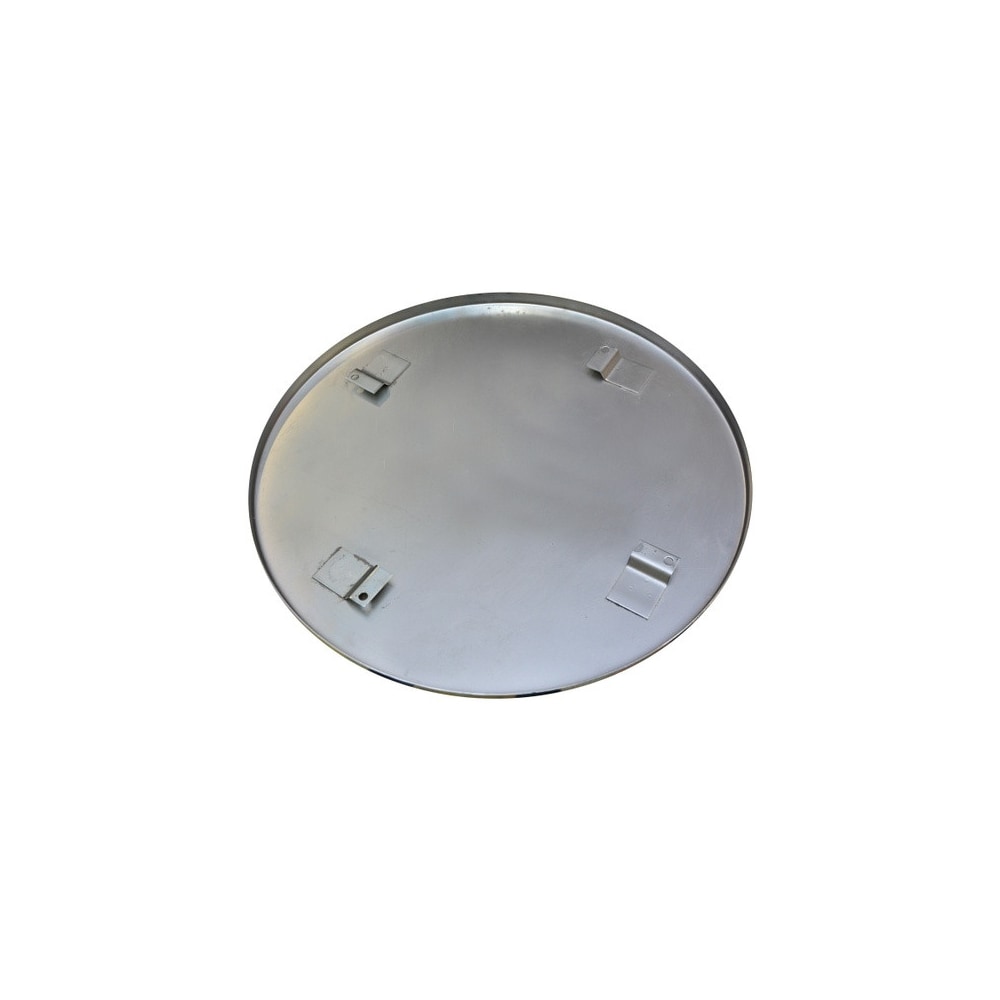
Plate For BARIKELL 600 Power Trowel

zł200.00 net
zł246.00 gross
In stock
138 pcs in stock
Same-day dispatch
order by 13:00
Arrives next day
on working days
Prefer to talk? +48 732 081 091

- 25 years on the market
- Own warehouse 1200 m²
- Returns up to 14 days
- Free delivery over PLN 3,000
Accessories
 BARIKELL Pala Blades 4-60
 Plate For BARIKELL 1200 Power Trowel
 BARIKELL Pala 8-120 Blades
 BARIKELL 980 Power Trowel Plate
 BARIKELL Pala Blades 8-90
 BARIKELL Pala Blades 4-90
 BARIKELL Combi Special 8-120 Blades
 BARIKELL Combi Blades 8-120
 BARIKELL Pala Blades 4-75
 BARIKELL Combi Special 8-90 Blades
 BARIKELL Combi Blades 4-90
 Disc For BARIKELL 1200/5 Power Trowel
 BARIKELL Pala Blades 4-120
 BARIKELL Combi Special 4-90 Blades
- Barikell 4-60 Petrol Power Trowel (honda GX 160)
 BARIKELL Combi Blades 8-90
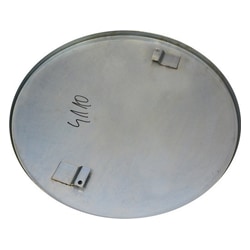 BARIKELL 4-75 Power Trowel Plate
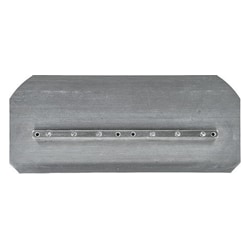 BARIKELL Combi Blades 4-120
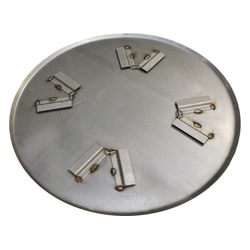 BARIKELL 1200 Premium Power Trowel Plate
 BARIKELL Pala Blades 8-75
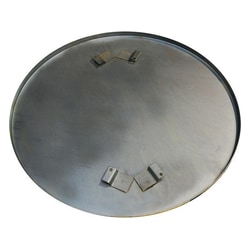 BARIKELL 8-75 Power Trowel Plate
 BARIKELL 980 Premium Power Trowel Plate
 BARIKELL Combi Special 4-120 Blades
 BARIKELL Pala Blades 6-60
- Need a different part?We will match it to your machine+48 732 081 091
Description
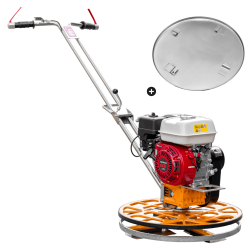
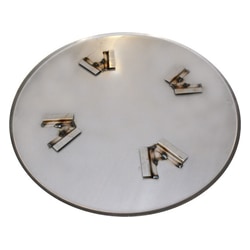
Barikell 600 float pan — Ø 600 mm float pan for the first troweling passes
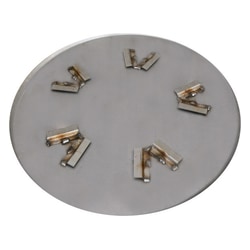
A float pan (trowel disc, plate) is a steel disc clipped onto the blades of a power trowel for the first passes over fresh concrete, before the slab is ready for finishing on blades alone. The Barikell 600 float pan is 600 mm in diameter, made of 3 mm sheet and weighs 5 kg; it attaches to the spider with 4 clips — one per arm. It fits single-rotor 600 mm trowels with four arms — the petrol and battery Barikell 4-60.
Which trowels it fits
The 600 mm pan works with: Barikell 4-60, battery-powered Barikell 4-60. The number of clips (4) must match the number of spider arms — a four-clip pan will not mount on a five- or six-arm head. A twin-rotor machine needs two pans, one per head.
3 mm pressed wear-resistant steel
The disc is pressed from wear-resistant steel 3 mm thick; the galvanised surface protects it from rust between jobs. The turned-up rim does not dig into the concrete and lets you work along walls without scoring. Weight 5 kg.
When to use a pan and when blades
The pan goes on when the concrete carries the weight of the machine but is still plastic enough for blades to cut in — typically a few hours after the pour, depending on temperature. The pan levels and closes the surface (pushes down aggregate, removes screed marks); once it is removed, the job is finished on blades set at an increasing pitch.
Fitting and care
Lay the pan on the slab, lower the head onto it and snap the 4 clips over the blade tips — no tools, about a minute. Wash off cement slurry after work before it sets; hardened concrete adds weight and spoils flatness. A dented or damaged pan is replaced as a whole.
Barikell 600 float pan — available at NORWIT.PL
The pan comes from the Italian brand Barikell; the manufacturer's article number is shown in the Index field on this page. See also the 600 Z2 pan for the 6-60, the steel Pala 4-60 blades, the full power trowel parts category and our power trowels. Order online or ask via the contact form which pan fits your machine.
Gwarancja
.png)
Roczna Gwarancja na Produkty Barikell
Firma Barikell oferuje roczną gwarancję na całość swojej oferty produktowej. Oznacza to, że każde urządzenie zakupione od Barikell jest objęte pełną ochroną przez 12 miesięcy od daty zakupu.
Roczna gwarancja obejmuje wszystkie komponenty i podzespoły, zapewniając bezproblemowe użytkowanie przez cały okres ochrony.
Questions and answers
What is a float pan for?
A float pan (trowel disc) is a 600–1200 mm steel disc clipped onto the blades for the first passes over fresh concrete. It spreads the machine's weight over the whole surface, pushes aggregate down, removes screed marks and closes the surface before the concrete is hard enough to be finished on blades. Without a pan the blades would cut into the still-plastic concrete and leave waves.
How do I choose a float pan?
Match three things: the blade-circle diameter of the machine (600, 750, 900 or 1200 mm), the number of spider arms (4, 5 or 6 — the pan needs the same number of clips) and the machine weight. Single-rotor and lighter ride-on trowels work with 3 mm sheet; for heavy ride-ons working daily on large halls Barikell recommends the 4 mm premium version. A twin-rotor machine needs two pans.
How does a premium pan differ from a standard one?
The premium pan (Barikell code "Special 4") is made of 4 mm sheet instead of 3 mm, so it weighs about 30 percent more: 24.5 kg instead of 18.5 kg at 900 mm and 35 kg instead of 28 kg at 1200 mm. Thicker sheet flutters less under a heavy ride-on machine, wears more slowly and needs replacing less often. Both versions have the same clips and fit the same machines.
When do I fit the pan and when do I switch to blades?
Fit the pan when the concrete carries the machine and operator but a finger still leaves a clear mark — usually 2–4 hours after the pour, depending on temperature and cement type. Work with it until the surface is no longer plastic and the pan starts to slide without effect. Then remove the pan and finish on blades set at an increasing pitch, from about 5 to 15–25 degrees.
How do I mount a float pan?
Lay the pan flat on the slab, lower the trowel head so the blades sit over the clips and snap the clips over the blade tips. It takes about a minute and needs no tools. The number of clips must match the number of blades: a four-clip pan will not mount on a five- or six-arm spider. Switch the machine off before removing the pan.
How do I look after a float pan?
After each job wash the pan with water to remove cement slurry before it sets — a hardened layer adds weight and spoils flatness. Store it flat, not leaning against a wall, because thin sheet deforms easily. Do not straighten a dented or cracked pan — replace it, because an uneven disc leaves marks on the floor.