


-

Concrete
-
- Concreting
- Concrete Vibrators
- Complete 230 V Mechanical Vibrators
- Vibrator Heads
- Vibrator Shafts
- Vibrator Motors
- Concrete Vibrators 42 V | 200 Hz
- Mechanical Vibrators 230 V
- 42 V | 200 Hz Head and Shaft
- 230 V Concrete Vibrators
- Vibrators With Built-In 230 V | 200 Hz Converter
- 42 V | 200 Hz Converters
- Combustion Vibrators
- Pneumatic Vibrators
- External Vibrators
- Power Trowels
- Vibratory Screeds
- Concrete Hand Tools
- Concrete Vibrators
-
-
-
-
-
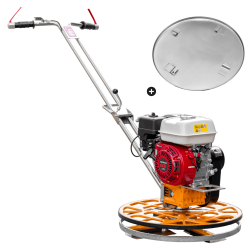
- Walk-Behind Combustion Power Trowels
-
-
-
Heating and cooling
-
-
-
- Cooling and ventilation
-
-
- cooling
-
-
-
Generators
-
-
-
-
- Inverter Generators
-
-
-
Earthworks
-
-
-
-
-
- Tamping rammers – jumping jacks
-
-
-

Industrial vacuums
-
-
- Cleaning and accessories
-
-
- Industrial vacuum cleaners
-
-
-
Finishing
-
-
-
- Bestseller
-
-
-
Pumps
-
-
-
-
- Bestseller
-
-
-

Measurement
-
-
-
-
-
-
-
- Bestseller
-
-
-

BLOG & Tips
-

Promotions
2 / 5
Toolsa · Cat. no. basedrilling-O
Toolsa Vacuum Base Plate for Core Drill Stands

- Statywy wiertnic rdzeniowych wielu marek
zł599.00 net
zł736.77 gross
Leasing for businesses
from zł61.95 net / month
Indicative calculation · you set the terms

ING leasing is not available for this amount — call us and we will arrange financing +48 732 081 091
Plate shape: roundOrdering several variants? Table of 2 variants
In stock
1 pcs in stock
Same-day dispatch
order by 13:00
Arrives next day
on working days
In stock
2 pcs in stock
Same-day dispatch
order by 13:00
Arrives next day
on working days
Prefer to talk? +48 732 081 091

- 25 years on the market
- Own warehouse 1200 m²
- Returns up to 14 days
- Free delivery over PLN 3,000
Ordering several variants?
2 variants · prices per unit · stock as of today
| Plate shape | Cat. no. | Net price | Gross | Availability | Quantity |
|---|---|---|---|---|---|
| round | basedrilling-O | zł599.00 | zł736.77 | 2 pcs | |
| rectangular | basedrilling-P | zł599.00 | zł736.77 | 1 pcs |
Accessories
Description
Not just for Toolsa stands. This is a universal plate that works with core drill stands from many brands. The product photos show every dimension of both versions. Hold them up against the base of your stand and you will see straight away whether the plate fits. Not sure? Send us a message and we will help you pick the right version.
Toolsa vacuum base plate – anchor-free mounting for core drill stands
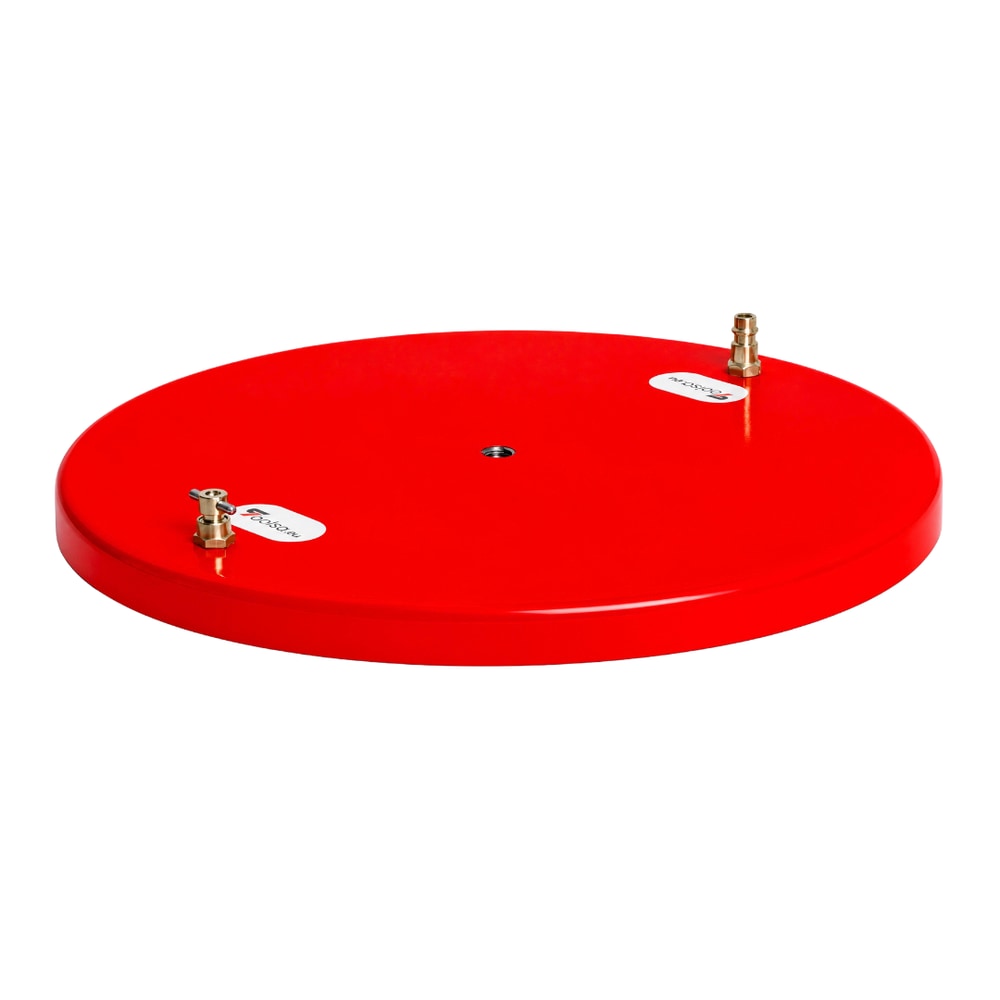
A vacuum base plate is a base that a pump sucks down onto the surface, with the foot of the core drill stand fixed on top of it. This lets you drill holes in concrete, tiles or stone without setting an anchor, so there is no extra hole and no marks on the floor. The Toolsa plate comes in two versions: round, 36 cm in diameter, and rectangular, 43 × 33.5 cm.
How vacuum mounting works
The pump draws the air out from under the plate through a hose connected to the brass fitting, and the seal on the underside closes the chamber. The pressure difference holds the plate against the surface, and the stand is bolted to it through the central mounting hole. The plate holds for as long as the pump runs and the vacuum stays stable. Once the pump is off and air is let back in, you lift the plate off without tools and move it to the next hole.
Round or rectangular
The round version is 36 cm in diameter, with a smooth top surface and a central mounting hole. The rectangular version measures 43 × 33.5 cm, with two carrying handles and four adjusting screws in the corners. Both have a fitting for the pump hose. The choice depends on the shape and size of your stand's base: the dimension photos also show the distances from the mounting hole to the edges of the plate.
Which surfaces it holds on
Vacuum mounting needs a smooth, flat and non-porous surface: trowelled or ground concrete, tiles, stone or steel plate. The surface must be clean and free of cracks, because any gap under the seal lets air in and weakens the hold. On plaster, brick, aerated concrete and porous concrete, use an anchor instead. Do not use a vacuum plate on ceilings, because a pump power cut means losing the hold above your head.
What else you need
The plate works only with a vacuum pump running for the whole drilling job. The Toolsa VP 120 pump delivers 120 l/min, reaches a vacuum of up to -0.8 bar and has a gauge that shows a leak straight away. When drilling into a wall, also secure the stand with a chain or strap so that a loss of vacuum cannot bring the drill down.
Anchor-free drilling – a complete setup at NORWIT.PL
Pair the plate with the Toolsa VP 120 vacuum pump, and if you are building a drilling setup from scratch, see our core drill stands. You will find the remaining parts in accessories for core drills. Not sure which plate to choose? Compare the dimensions in the photos with the base of your stand or contact us through the form.
Technical data
- Cat. no.
- basedrilling-O
- Kompatybilność
- Statywy wiertnic rdzeniowych wielu marek
Questions and answers
What is a vacuum base plate for a drill stand used for?
A vacuum base plate fixes a core drill stand to the surface without setting an anchor. A vacuum pump draws the air out from under the plate and the seal on the underside closes the chamber, so the plate is pressed firmly against the surface. The stand is bolted to the plate through the central mounting hole. It is used where an anchor hole would damage a finished floor, tiles or stone, or could hit services. The Toolsa plate comes in a round Ø 36 cm version and a rectangular 43 × 33.5 cm version.
Will the Toolsa vacuum plate fit my drill stand?
The plate is universal and fits core drill stands from many brands, not just Toolsa. The easiest way to check is the dimension photos: the round version is 36 cm in diameter and the rectangular one measures 43 × 33.5 cm, with the distances from the mounting hole to the edges shown. Measure the base of your stand and compare it with the plate. The stand base should sit on the plate securely, and the mounting hole of the plate must line up with the hole in the stand foot. If in doubt, contact us through the form and give us your stand model.
What is the difference between the round and rectangular plate?
The round version is 36 cm in diameter, with a smooth top surface and a central mounting hole, so it suits stands with a compact base. The rectangular version measures 43 × 33.5 cm, with two carrying handles and four adjusting screws in the corners, and its shape matches elongated stand bases. Both versions have a brass fitting for the pump hose and work on the same principle. The choice depends on the shape and size of your stand foot, so compare it with the dimensions in the product photos before ordering.
Which pump do I need for the vacuum plate?
The plate works only with a vacuum pump connected by a hose to the plate fitting. The pump must run for the whole drilling job, because it is what keeps the vacuum under the plate. The Toolsa VP 120 pump fits this plate: it delivers 120 l/min and reaches a vacuum of up to -0.8 bar. The gauge on the pump shows the vacuum level, so you see a leak straight away, and the release valve lets you free the plate quickly after work. You can use another core drilling vacuum pump if its hose fits the plate fitting.
On what surfaces will the vacuum plate hold the stand?
The plate holds on smooth, flat and non-porous surfaces: trowelled or ground concrete, ceramic tiles, natural stone and steel plate. The surface must be clean and free of cracks, because any gap under the seal lets air in and reduces the holding force. On plaster, brick, aerated concrete and porous or very rough concrete, vacuum mounting will not hold reliably and an anchor, usually M12, is the better choice. Sweep dust and slurry off the work area before placing the plate, and when wet drilling, keep water from undermining the seal.
Can I drill into walls and ceilings using the vacuum plate?
You can drill into a wall on the vacuum plate if the wall has a smooth and airtight surface, such as fair-faced concrete or tiles. In that case also secure the stand with a chain or strap, because a loss of vacuum releases the stand together with the motor and core bit, and the whole set often weighs over 20 kg. Vacuum mounting is not used on ceilings, because a pump power cut means an instant loss of hold above the operator's head. For drilling slabs from below, use anchors.
Vacuum plate or anchor: which should I choose for a drill stand?
An anchor, usually M12, gives a hold that does not depend on power or on the surface finish, but it requires drilling a hole, setting the anchor and plugging the hole afterwards. A vacuum plate leaves no marks and makes moving the stand faster on a series of holes, but it needs a pump, 230 V power and a smooth, airtight surface. In practice installation crews keep both: the plate for finished floors, tiles and stone, and anchors for plaster, brick, ceilings and raw concrete. With a dozen or more holes in one room, the plate saves the most time.
What should I do if the vacuum plate does not hold the vacuum?
A missing vacuum usually has one of four causes: a dirty or damaged plate seal, a leaking hose or coupling, a faulty pump, or a surface that lets air through. First check that the surface is clean and free of cracks and that the seal is not torn or covered with slurry. Then inspect the hose, the plate fitting and the reading on the pump gauge, which on a working system should approach -0.8 bar with the VP 120 pump. If the surface itself leaks, switch to anchor mounting.