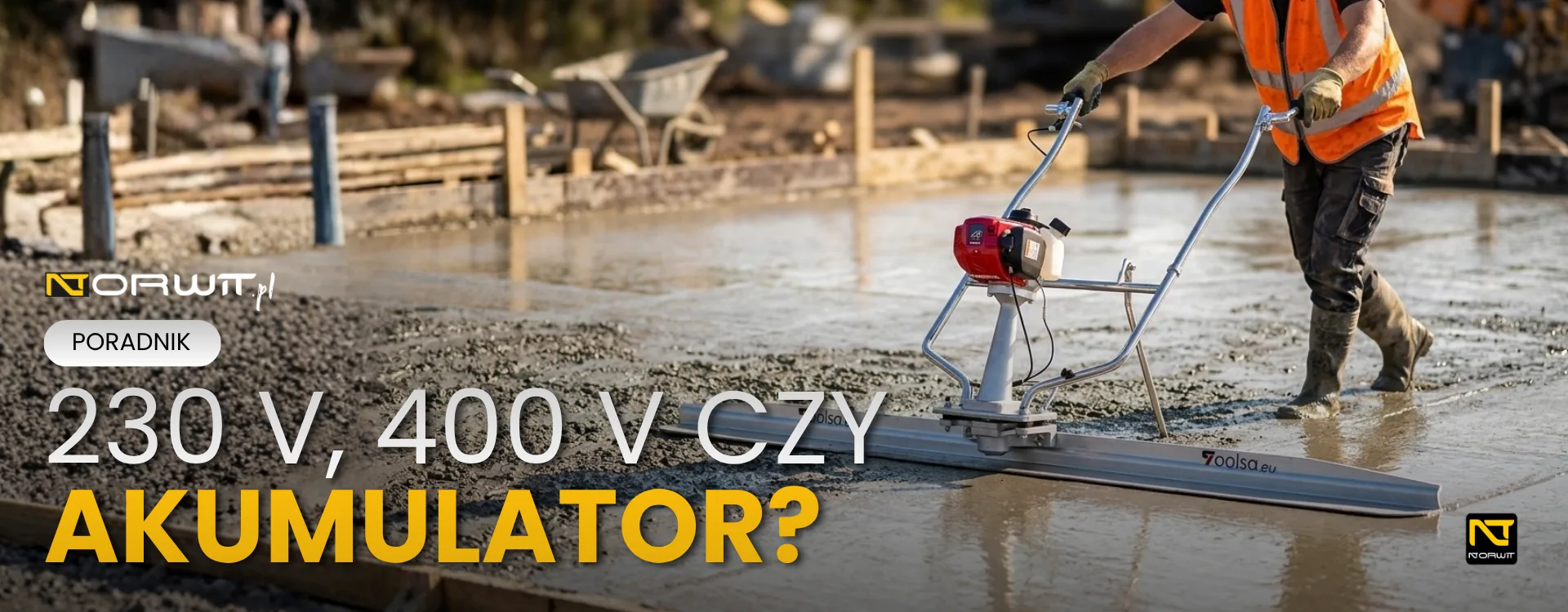
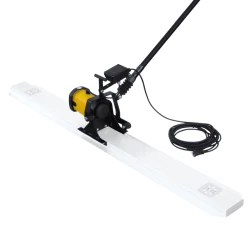
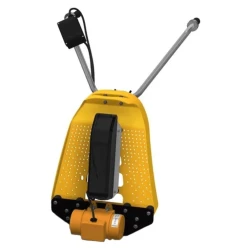
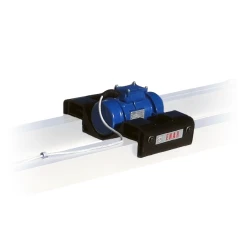
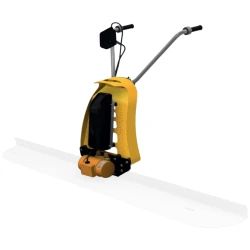
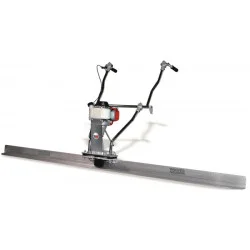
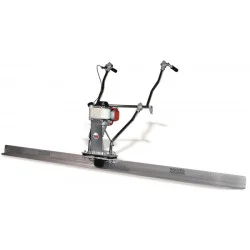
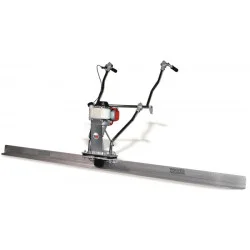
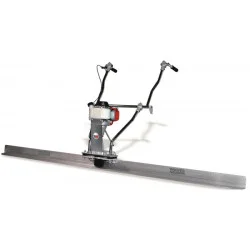
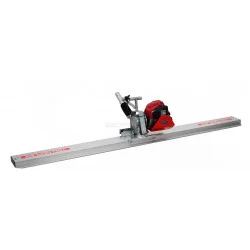
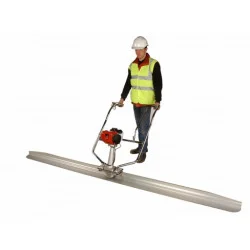
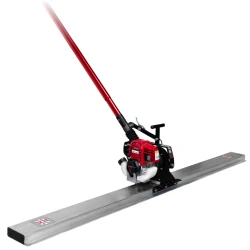
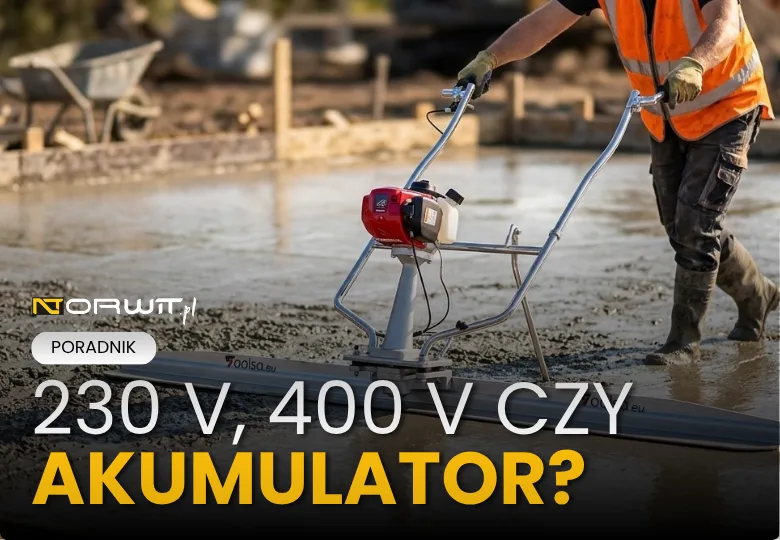
Vibratory Screed Motor — Petrol, Single-Phase 230 V or Three-Phase 400 V?

Remigiusz Prędki 7 min czytania Aktualizacja 20.07.2026
Remigiusz Prędki Remigiusz PrędkiPresident of the Board 7 min 20.07.2026
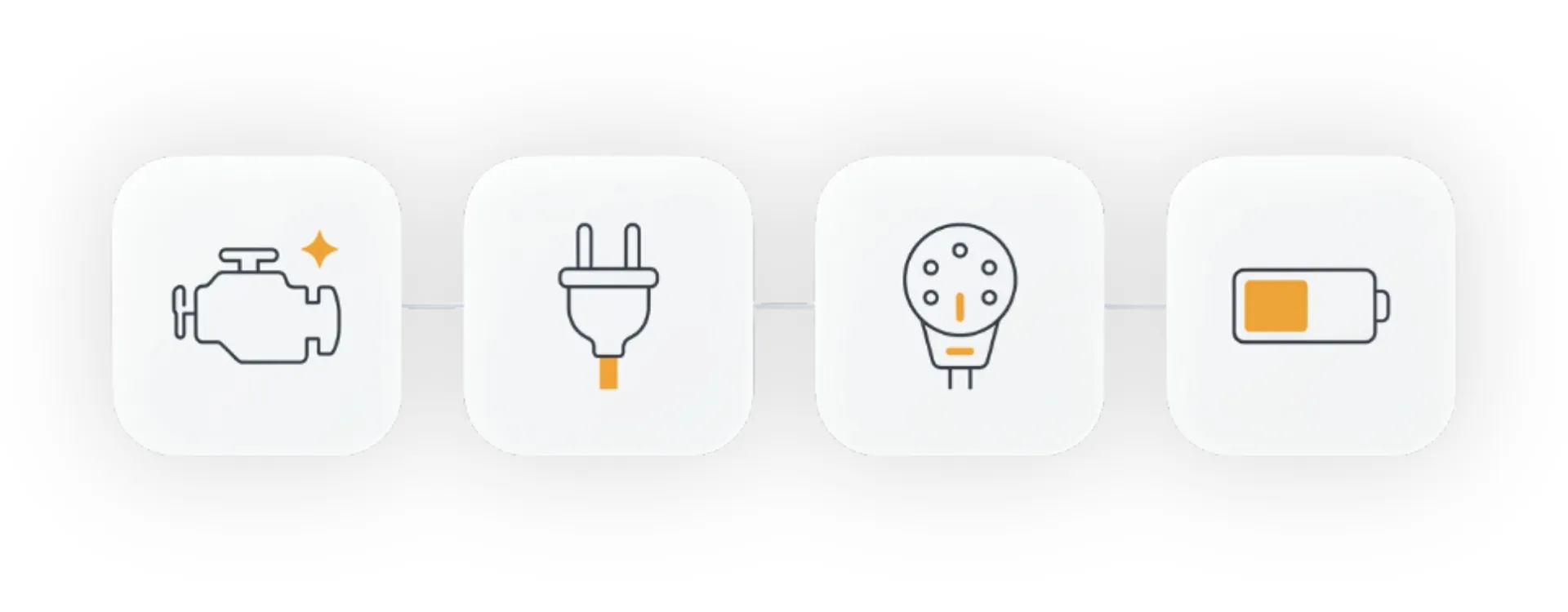
W skrócie: The motor matters more than the beam itself when choosing a vibratory screed. Four options are available: petrol (Honda GX25/GX35), electric 230 V, three-phase 400 V and battery 22.2 V. Centrifugal force ranges from 700 N to 3 kN and motor weight from 7 to 30 kg. The power available on site usually rules out half the options.

Najczęstsze pytania

Which motor should I choose for a vibratory screed?

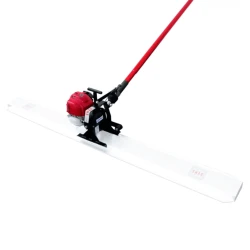
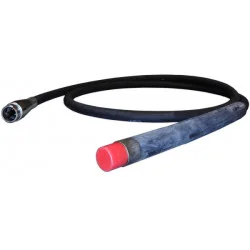
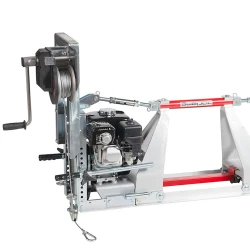
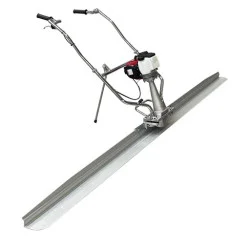
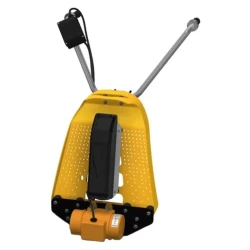
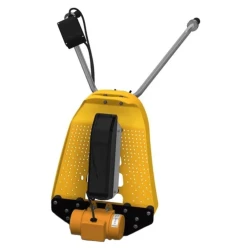
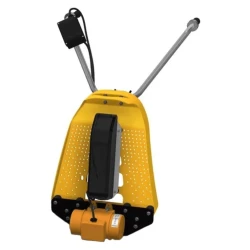
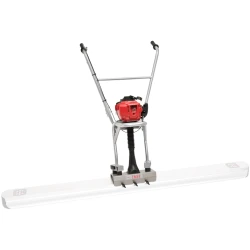
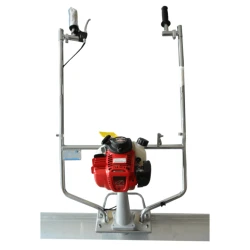
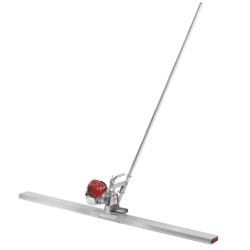
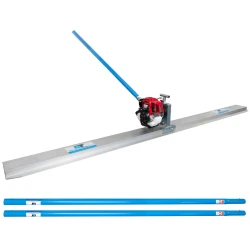
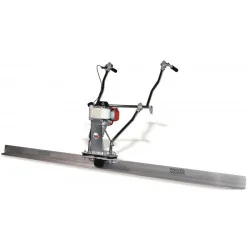
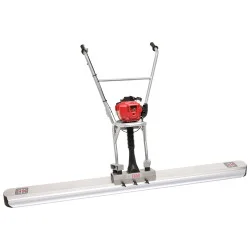
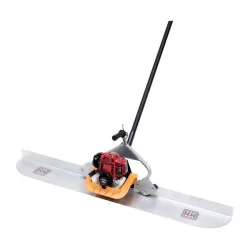
The motor is chosen first by the power available on site and only then by beam length. On open ground without mains power, a petrol Honda GX25 unit delivering 1,500 N at 7 kg works best. In halls and interiors, electric 230 V or 400 V versions are used because they produce no exhaust fumes.

What is the difference between a single-phase and a three-phase vibratory screed?

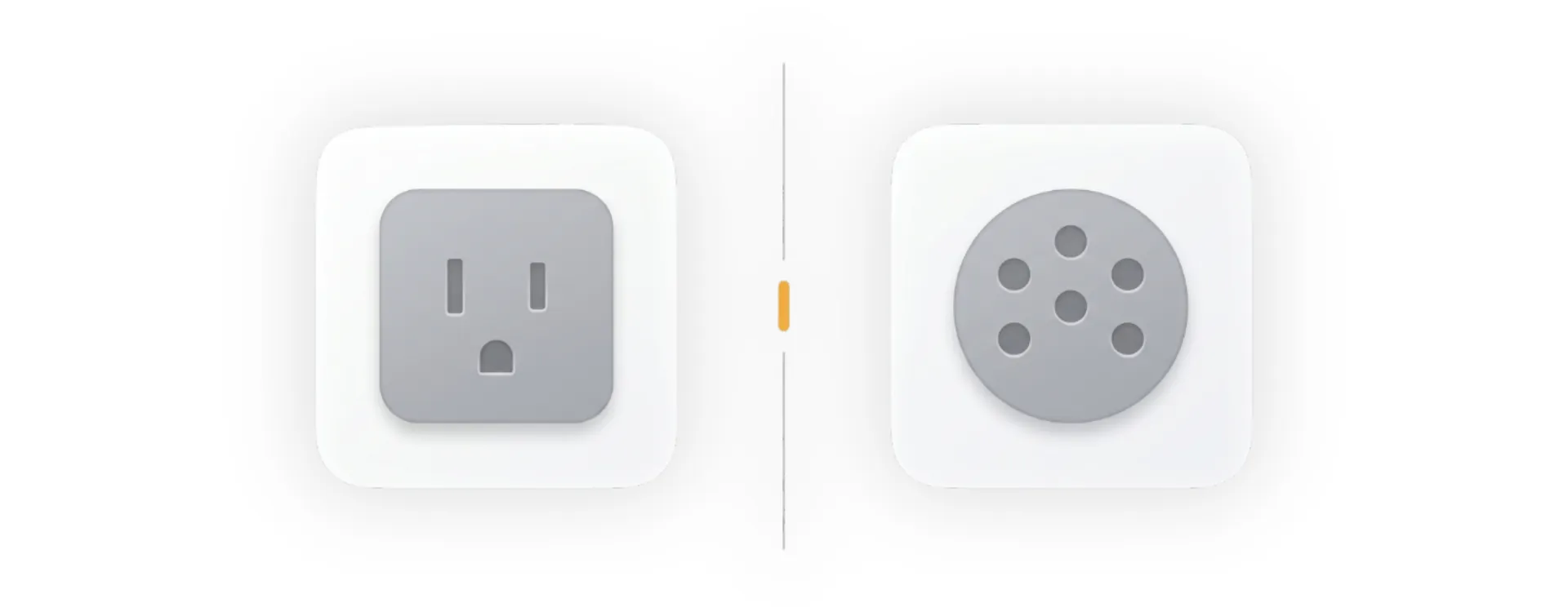
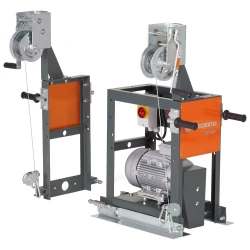
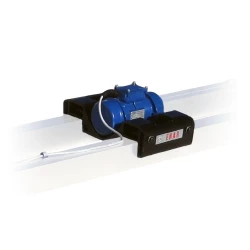
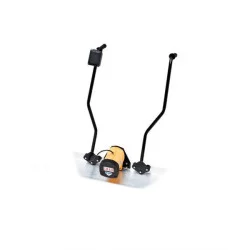
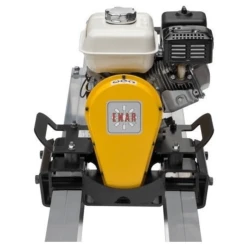
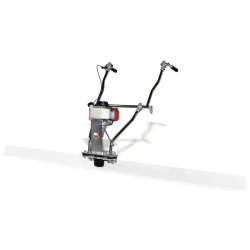
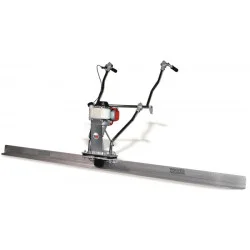
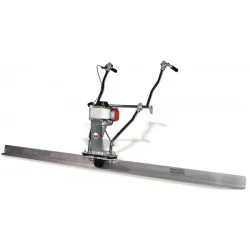
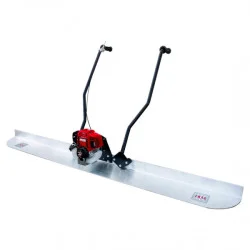
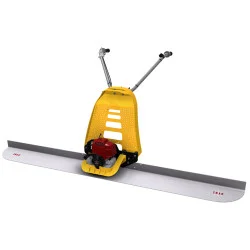
A single-phase screed runs on 230 V and plugs into a standard socket — the Enar QZE Turbo reaches 1,300 N at 1,200 vibrations per minute. A three-phase version needs an industrial 400 V supply and delivers noticeably more power: the Enar QP generates 3 kN and 3,000 vibrations per minute at 270 W.

Can a petrol vibratory screed be used indoors?

A petrol motor is not suitable for enclosed spaces because it produces exhaust fumes that require constant ventilation. In halls, garages and basements, electric 230 V or 400 V units or battery-powered 22.2 V models are used instead. Petrol versions with Honda GX25 and GX35 engines are reserved for outdoor work.

What engines do petrol vibratory screeds use?

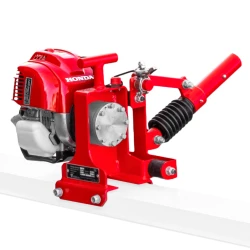
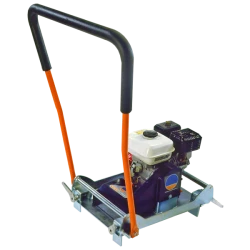
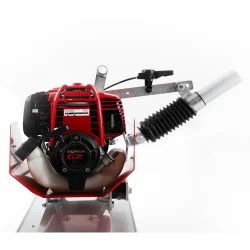
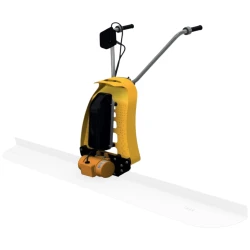
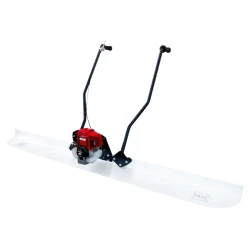
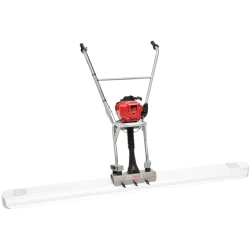
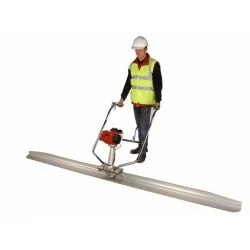
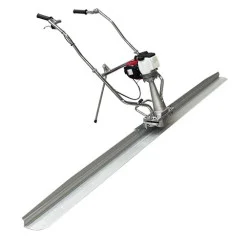
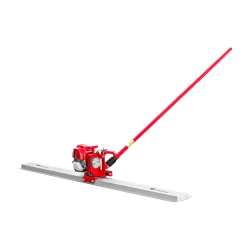
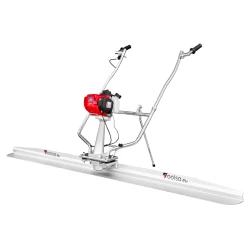
Petrol vibratory screed motors most often use four-stroke Honda GX25 or GX35 engines. The Enar QZH with a GX25 weighs 7 kg, runs at 9,000 vibrations per minute and has a 0.58 l tank for unleaded 95 petrol. The more powerful Altrad Belle Easy Screed Pro with a GX35 delivers 1 kW.

What is the centrifugal force of a vibratory screed motor?

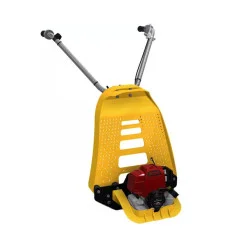
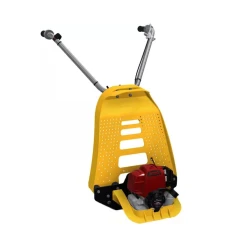
Centrifugal force of vibratory screed motors ranges from 700 N to 3 kN. The electric Tornado E delivers 700 N, the single-phase QZE Turbo 1,300 N, the petrol QZH and Tornado H 1,500 N each, the battery-powered Tornado E-BATT 1,750 N, and the three-phase QP as much as 3 kN. The longer the beam, the more force is needed.

Does a beam from one manufacturer fit another brand's motor?

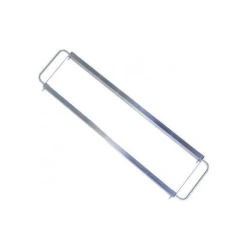
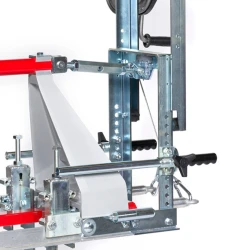
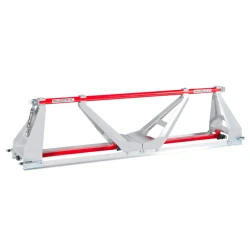
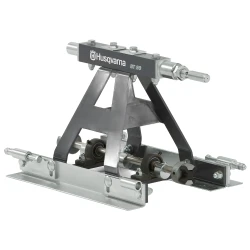
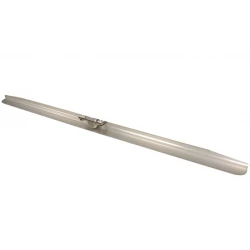
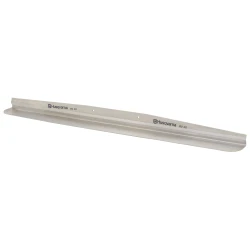
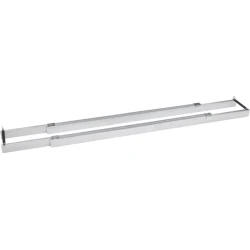
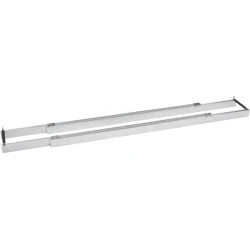
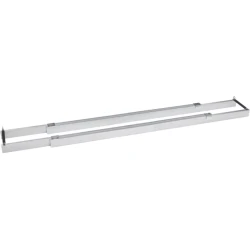
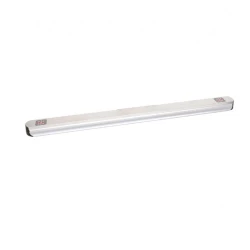
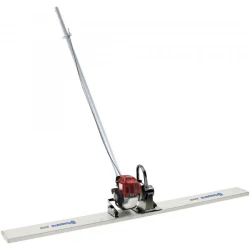
Beams are not interchangeable between manufacturers — each motor works only with beams from its own series. The Husqvarna BT 90 section fits the Husqvarna BT 90 motor, the Husqvarna BD double beam fits the BE 20 motor, and Toolsa Thunder Screed and High Screed beams fit only motors from those series. Always check which drive unit a beam is designed for.

What is the difference between a one-directional and a two-directional screed?

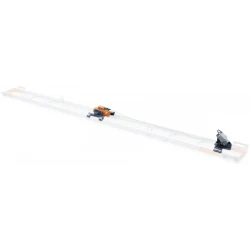
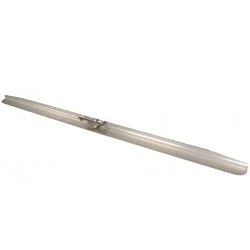
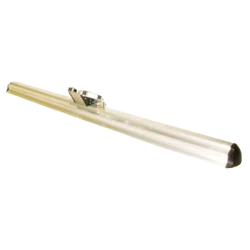
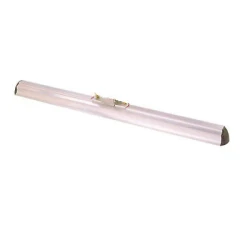
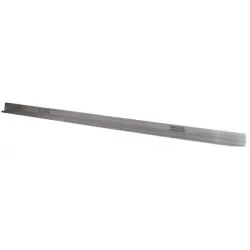
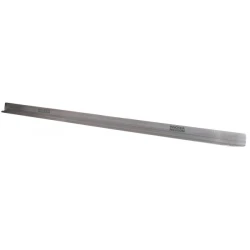
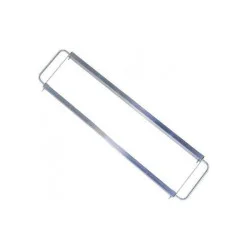
The cross-section of the beam determines the working direction. An L-shaped cross-section gives a one-directional screed that can only be pulled towards the operator. A hat or rectangular cross-section gives a two-directional screed that can be both pulled and pushed, which speeds up work on wide pours and reduces the number of passes.

Is a battery vibratory screed powerful enough for construction work?

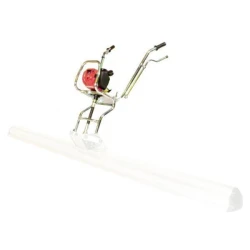
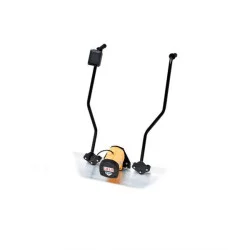
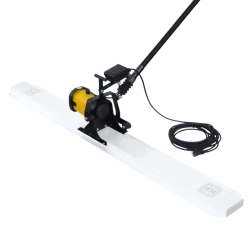
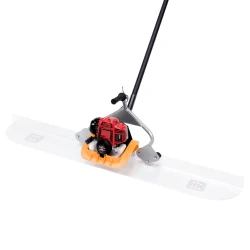
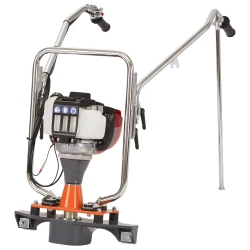
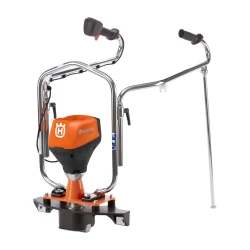
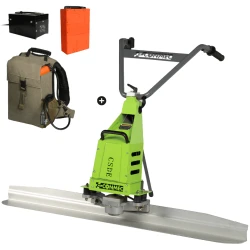
A battery screed copes even with demanding pours. The Enar Tornado E-BATT runs on a 22.2 V battery rated at 14.5 Ah and delivers 1,750 N of centrifugal force — more than petrol units with the Honda GX25 engine (1,500 N). The trade-off is weight at 14.5 kg, and on larger areas a spare battery is worth having.
Blog navigation

O autorze

Remigiusz Prędki
Remigiusz Prędki
President of the Board
Remigiusz Prędki has spent over 25 years in concrete technology. Power trowels, vibrating screeds, grinders and milling machines are his home turf — that is where his know-how runs deepest. As President of the Board at NORWIT.PL, he advises contractors daily and shares hands-on, job-site knowledge.

Cookies

Cookie information

This website uses its own cookies to ensure you have the best possible experience on our site. We also use third-party cookies to enhance our services, analyze usage, and display ads tailored to your preferences based on your browsing behavior. 

Here you can learn more about how Google processes personal data.


For more information, please refer to our Privacy Policy.

Cookie management

About Cookies

Cookies are small text files that are stored on your computer or mobile device by websites you visit. They serve various purposes, such as remembering user login information, tracking user behavior for advertising purposes, and personalizing the user's browsing experience. There are two types of cookies: session and persistent. The former are deleted after the browser session ends, while the latter remain on the device for a specified period or until manually deleted.