


-
-
Concrete
-
- Concreting
- Concrete Vibrators
- Complete 230 V Mechanical Vibrators
- Vibrator Heads
- Vibrator Shafts
- Vibrator Motors
- Concrete Vibrators 42 V | 200 Hz
- Mechanical Vibrators 230 V
- 42 V | 200 Hz Head and Shaft
- 230 V Concrete Vibrators
- Vibrators With Built-In 230 V | 200 Hz Converter
- 42 V | 200 Hz Converters
- Combustion Vibrators
- Pneumatic Vibrators
- External Vibrators
- Power Trowels
- Vibratory Screeds
- Concrete Hand Tools
- Concrete Vibrators
-
-
-
-
-
- Walk-Behind Combustion Power Trowels
-
-
-

Heating and cooling
-
Generators
-
Earthworks
-
Industrial vacuums
-
Finishing
-
Pumps
-
Measurement
-
BLOG & Tips
-
Promotions
Kategorie 16 kategorii
Kategorie
-
- Levels and Measurements
- Soil Compactors
- Tamping Rammers - Jumping Jacks
- Single Direction Vibratory Plates
- Reversible Vibratory Plates
- Rollers
- 100 kg Soil Compactors
- 200 kg Soil Compactors
- 300 kg Soil Compactors
- 400 kg Soil Compactors
- 500 kg Soil Compactors
- 600 kg Soil Compactors
- 700 kg Soil Compactors
- 800 kg Soil Compactors
- Wacker Neuson Compactors
- Accessories for Compactors
- Bomag Compactors
- Altrad Belle Compactors
- Paver Compactors
- Swepac Compactors
- Power Generators
- Concreting
- Concrete Vibrators
- Complete 230 V Mechanical Vibrators
- Vibrator Heads
- Vibrator Shafts
- Vibrator Motors
- Concrete Vibrators 42 V | 200 Hz
- Mechanical Vibrators 230 V
- 42 V | 200 Hz Head and Shaft
- 230 V Concrete Vibrators
- Vibrators With Built-In 230 V | 200 Hz Converter
- 42 V | 200 Hz Converters
- Combustion Vibrators
- Pneumatic Vibrators
- External Vibrators
- Vibratory Screeds
- Power Trowels
- Concrete Hand Tools
- Concrete Vibrators
- Pumps and Motor Pumps
- Cutting, Drilling and Grinding
- Heating and Cooling
- Wood Table Saws
- Painting and Plastering
- Combustion Engines
- Washing and Vacuuming
- Cement Mixers
- Paving Tools
- Wheelbarrows and Track Dumpers
- Demolition and Hammers
- Sales
- Levels and Measurements
Brak kategorii pasujących do wyszukiwania.
Batteries and Chargers for Power Trowels

Conmec Battery (60 V | 55 Ah)
E-Battery-1zł8,167.20 tax incl. 6 640,00 zł tax excl.View technical data Zobacz szczegóły
- Battery capacity: 55 Ah
- Type of accumulator: 60 V
- Kompatybilność: CT-436E, CT-430E, CT-424E
- Pojemność baterii: 55 Ah
- Typ akumulatora: 60 V
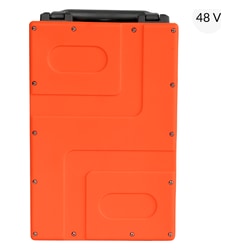
Conmec Battery For CPV-E Back Pack (48 V | 20.8 Ah)
E-Battery-backpackzł2,829.00 tax incl. 2 300,00 zł tax excl.View technical data Zobacz szczegóły
- Weight: 6 kg
- Battery capacity: 20,8 Ah
- Type of accumulator: 48 V
- Kompatybilność: CPV-E
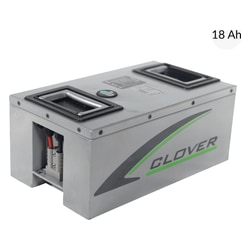
Beton Trowel Lifepo Battery (18 Ah) For BT60BCL / BT75BCL
BTCL1005zł4,918.77 tax incl. 3 999,00 zł tax excl.View technical data Zobacz szczegóły
- Battery capacity: 18 Ah
- Battery life: 50-120 min
- Battery life [ cycle ]: ponad 4000 pełnych cykli ładowania
- Pojemność baterii: 18 Ah
- Czas pracy baterii: 50-120 min
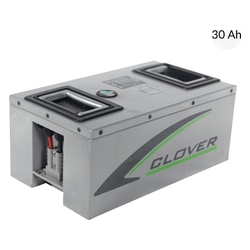
Beton Trowel Lifepo Battery (30 Ah) For BT60BCL / BT75BCL
BTCL1015zł7,134.00 tax incl. 5 800,00 zł tax excl.View technical data Zobacz szczegóły
- Battery capacity: 30 Ah
- Battery life: 50-120 min
- Battery life [ cycle ]: ponad 4000 pełnych cykli ładowania
- Czas pracy baterii: 50-120 min
- Żywotność baterii [ cykl ]: ponad 4000 pełnych cykli ładowania
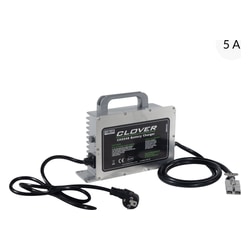
Beton Trowel Charger (5 A) For Lifepo Batteries
BTCL1020zł1,228.77 tax incl. 999,00 zł tax excl.View technical data Zobacz szczegóły
- Intensity: 5 A
- Battery compatibility: modele LiFePo Beton Trowel
- Type of charging: Standardowe
- Natężenie: 5 A
- Kompatybilność baterii: modele LiFePo Beton Trowel
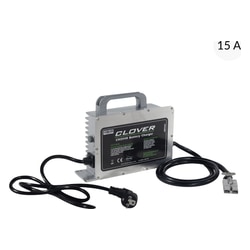
Beton Trowel Fast Charger (15 A) For Lifepo Batteries
BTCL1035zł2,458.77 tax incl. 1 999,00 zł tax excl.View technical data Zobacz szczegóły
- Intensity: 15 A
- Battery compatibility: modele LiFePo Beton Trowel
- Type of charging: Szybkie
- Natężenie: 15 A
- Kompatybilność baterii: modele LiFePo Beton Trowel
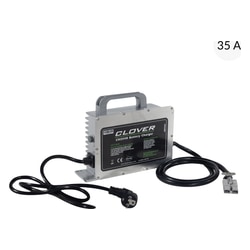
Beton Trowel High-Performance Fast Charger (35 A) For Lifepo Batteries
BTCL1030zł4,428.00 tax incl. 3 600,00 zł tax excl.View technical data Zobacz szczegóły
- Intensity: 35 A
- Battery compatibility: modele LiFePo Beton Trowel
- Type of charging: Wysokowydajne szybkie
- Natężenie: 35 A
- Kompatybilność baterii: modele LiFePo Beton Trowel
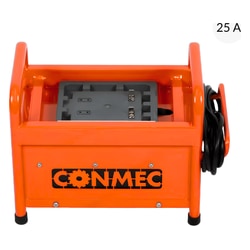
Conmec Charger (25 A)
Conmec-charger-25azł1,771.20 tax incl. 1 440,00 zł tax excl.View technical data Zobacz szczegóły
- Battery capacity: 55 Ah
- Type of accumulator: 60 V
- Kompatybilność: CT-436E, CT-430E, CT-424E
- Pojemność baterii: 55 Ah
- Typ akumulatora: 60 V
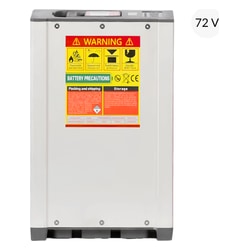
Conmec Battery (72 V | 55 Ah)
Conmec-battery-72vzł10,528.80 tax incl. 8 560,00 zł tax excl.View technical data Zobacz szczegóły
- Battery capacity: 55 Ah
- Type of accumulator: 72 V
- Kompatybilność: CT-446E
- Pojemność baterii: 55 Ah
- Typ akumulatora: 72 V
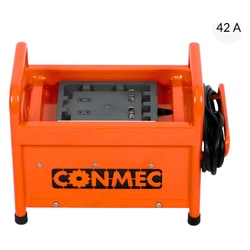
Conmec Charger (42 A)
Conmec-charger-42azł2,902.80 tax incl. 2 360,00 zł tax excl.View technical data Zobacz szczegóły
- Battery capacity: 55 Ah
- Type of accumulator: 72 V
- Kompatybilność: CT-446E
- Pojemność baterii: 55 Ah
- Typ akumulatora: 72 V
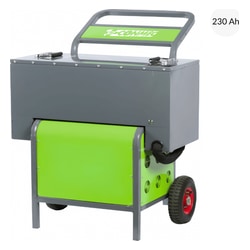
Conmec Mobile Charging Station (72 V | 230 Ah)
Conmec-Lithium-Battery-Charging-Guidance-230Ahzł27,060.00 tax incl. 22 000,00 zł tax excl.View technical data Zobacz szczegóły
- Battery capacity: 230 Ah
- Type of accumulator: 72 V
- Charging current: 100 A
- Kompatybilność: CRT-836E
- Typ akumulatora: 72 V
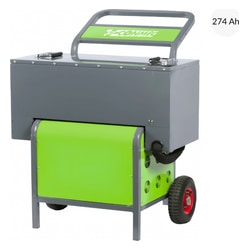
Conmec Mobile Charging Station (72 V | 274 Ah)
Conmec-Lithium-Battery-Charging-Guidance-274AhAsk for price and availabilityView technical data Zobacz szczegóły
- Battery capacity: 274 Ah
- Type of accumulator: 72 V
- Charging current: 100 A
- Kompatybilność: CRT-846E
- Typ akumulatora: 72 V
A power trowel battery is a removable LiFePO4 (lithium iron phosphate) cell pack that takes the place of a petrol engine as the machine's power source. This chemistry typically survives 2,000–3,000 charge cycles while still holding around 80% of its original capacity — several times the service life of a standard lithium-ion NMC pack — and it runs steadily anywhere between roughly −20 and +55°C. A charger matched to the pack refills it in anything from tens of minutes to about 4 hours, depending on charging current and pack capacity.
This category gathers the spare packs and chargers NORWIT.PL supplies for battery machines, mainly from Beton Trowel, Barikell and Conmec Europe. Running a second pack alongside a charger is standard practice on site: one battery sits on the machine, the other refills, and the crew keeps troweling without a break. The machines themselves live in the battery power trowels category. Below we cover how to match voltage and capacity, how to estimate real runtime, and how to store packs out of season.
Why power trowels run on LiFePO4 batteries
A lithium iron phosphate cell holds a nominal 3.2 V, so a pack is built from a dozen or more cells in series — hence the 48–58 V ratings common on construction machines. Three properties push this chemistry into equipment working in dust and vibration: 2,000–3,000 charge cycles at roughly 80% retained capacity, resistance to thermal runaway, and an almost flat discharge curve, so the trowel holds rotor speed as the pack empties.
LiFePO4 against other chemistries on site
| Property | LiFePO4 | Lithium-ion NMC | Lead-acid |
|---|---|---|---|
| Cell voltage | 3.2 V | 3.6–3.7 V | 2.0 V |
| Cycle life | usually 2,000–3,000 cycles | roughly 500–1,000 cycles | roughly 300–500 cycles |
| Operating range | approx. −20 to +55°C | approx. −10 to +45°C | heavy capacity loss in frost |
| Self-discharge | approx. 2–3% per month | approx. 3–5% per month | approx. 5–15% per month |
Voltage, capacity and real runtime
Two figures describe a pack: voltage in volts and capacity in amp-hours; their product is the stored energy. An 18 Ah LiFePO4 pack at around 48 V holds about 860 Wh, close to an hour of continuous troweling at a draw of around 1 kW. Pack voltage must match exactly what the machine calls for; a larger capacity buys runtime and costs weight. A second pack in rotation beats one of double capacity.
- Energy margin — roughly 20% on top of the time needed to finish one working bay.
- Compatibility — latch, connector and BMS come from the machine maker's own platform.
- Charging point — a 230 V socket; fast chargers pull several hundred watts.
Chargers and pack care
A LiFePO4 charger works in CC-CV mode: constant current first, then constant voltage to top off the last stretch of capacity. Paired with an 18 Ah pack, a charger drawing around 6 A finishes in roughly 3 hours and a stronger unit in under 2. Use the charger built for that specific battery — it talks to the BMS, which disconnects the cells on overcharge or overheating. Charge between roughly 0 and +45°C, away from concrete dust.
These packs have no memory effect, so there is nothing to gain from running one flat; they are happiest between 20 and 90% state of charge. Blades, discs and pans sit in the power trowel accessories category, and the full machine line-up is in power trowels.
Power trowel batteries and chargers — FAQ
How do you convert pack capacity into power trowel runtime?
Runtime is the energy stored in the pack divided by the machine's power draw. An 18 Ah pack at around 48 V holds about 860 Wh, which at a draw of 0.8–1.2 kW translates into 45–60 minutes of troweling; smaller packs come down to 20–30 minutes. Draw climbs as the slab stiffens and as blade pitch increases, so the working figure can drop by up to a third. Hence the two-pack rotation standard.
How long does a power trowel battery take to charge, and what changes that time?
Charging time follows from the charger's current relative to pack capacity. A charger rated around 6 A refills an 18 Ah pack in roughly 3 hours, a stronger unit brings the cycle under 2 hours, and fast chargers get down to tens of minutes. The final 10–15% takes disproportionately long, because current tapers off in the constant-voltage phase. Charge at temperatures between roughly 0 and +45°C — let a cold-soaked pack warm up first, otherwise the BMS will refuse the cycle or the cells will lose capacity for good.
Will a battery from one manufacturer fit another brand of power trowel?
Packs belong to a closed platform built by each manufacturer and are not interchangeable — voltage (typically 48–58 V on construction machines), latch geometry, contact layout and BMS protocol all differ between brands. Even where a pack drops mechanically into the cradle, a mismatch of 2–3 V at the terminals is enough for the controller to refuse to start or for the electronics to be damaged. When ordering, quote the machine model plus the voltage and amp-hour rating from its plate.
How should a LiFePO4 pack be stored over the winter?
Before a long standstill, charge the pack to 50–60%, take it off the machine and leave it somewhere dry at 5–20°C. Self-discharge runs at about 2–3% a month, so a check every 3 months and an occasional top-up are enough. A battery left empty in an unheated container is the most common cause of permanent capacity loss; stored properly, the same pack still holds around 80% of its capacity after 2,000–3,000 cycles.