


-
-
Concrete
-
- Concreting
- Concrete Vibrators
- Complete 230 V Mechanical Vibrators
- Vibrator Heads
- Vibrator Shafts
- Vibrator Motors
- Concrete Vibrators 42 V | 200 Hz
- Mechanical Vibrators 230 V
- 42 V | 200 Hz Head and Shaft
- 230 V Concrete Vibrators
- Vibrators With Built-In 230 V | 200 Hz Converter
- 42 V | 200 Hz Converters
- Combustion Vibrators
- Pneumatic Vibrators
- External Vibrators
- Power Trowels
- Vibratory Screeds
- Concrete Hand Tools
- Concrete Vibrators
-
-
-
-
-
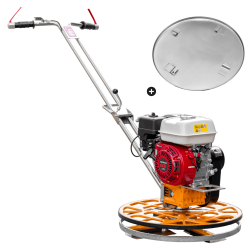
- Walk-Behind Combustion Power Trowels
-
-
-
Heating and cooling
-
Generators
-
Earthworks
-
Industrial vacuums
-
Finishing
-
Pumps
-
Measurement
-
BLOG & Tips
-
Promotions
Kategorie 16 kategorii
Kategorie
-
- Levels and Measurements
- Soil Compactors
- Tamping Rammers - Jumping Jacks
- Single Direction Vibratory Plates
- Reversible Vibratory Plates
- Rollers
- 100 kg Soil Compactors
- 200 kg Soil Compactors
- 300 kg Soil Compactors
- 400 kg Soil Compactors
- 500 kg Soil Compactors
- 600 kg Soil Compactors
- 700 kg Soil Compactors
- 800 kg Soil Compactors
- Wacker Neuson Compactors
- Accessories for Compactors
- Bomag Compactors
- Altrad Belle Compactors
- Paver Compactors
- Swepac Compactors
- Power Generators
- Concreting
- Concrete Vibrators
- Complete 230 V Mechanical Vibrators
- Vibrator Heads
- Vibrator Shafts
- Vibrator Motors
- Concrete Vibrators 42 V | 200 Hz
- Mechanical Vibrators 230 V
- 42 V | 200 Hz Head and Shaft
- 230 V Concrete Vibrators
- Vibrators With Built-In 230 V | 200 Hz Converter
- 42 V | 200 Hz Converters
- Combustion Vibrators
- Pneumatic Vibrators
- External Vibrators
- Vibratory Screeds
- Power Trowels
- Concrete Hand Tools
- Concrete Vibrators
- Pumps and Motor Pumps
- Cutting, Drilling and Grinding
- Heating and Cooling
- Wood Table Saws
- Painting and Plastering
- Combustion Engines
- Washing and Vacuuming
- Cement Mixers
- Paving Tools
- Wheelbarrows and Track Dumpers
- Demolition and Hammers
- Sales
- Levels and Measurements
Brak kategorii pasujących do wyszukiwania.
Bull Floats
Pipe For Vibratory Screed Beton Trowel BT
BT000055zł221.40 tax incl. 180,00 zł tax excl.View technical data Zobacz szczegóły
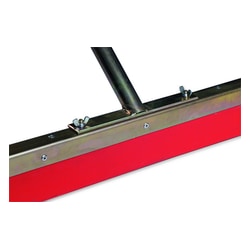
- Length: 1,8 m
Water Removal Strip 2m
3950zł462.48 tax incl. 376,00 zł tax excl.No technical data available Zobacz szczegóły
Beton Trowel Bull Float Slat Big Blue Float 1.2m With 3 X 1.8m Pipes
BT111992Czł2,091.00 tax incl. 1 700,00 zł tax excl.View technical data Zobacz szczegóły
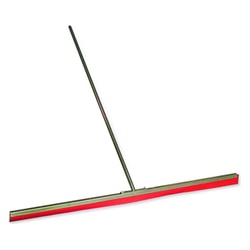
- Dimensions: 1800 x 300 m
Water Removal Strip 1m
3945zł332.10 tax incl. 270,00 zł tax excl.No technical data available Zobacz szczegóły
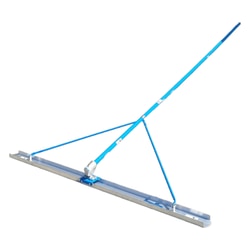
Beton Trowel Strip Bull Float Big Blue Float 1.5m Plus Pipes 3 X 1.8
BT111993Czł2,458.77 tax incl. 1 999,00 zł tax excl.View technical data Zobacz szczegóły
- Weight: 8,9 kg
- Dimensions: 1500 x 300 mm
- Producent: Beton trowel
Beton Trowel Strip Bull Float Big Blue Float 0.9m 3 X 1.8 Pipe
BT111991Czł1,845.00 tax incl. 1 500,00 zł tax excl.View technical data Zobacz szczegóły
- Weight: 6,2 kg
- Dimensions: 900 x 300 mm
- Producent: Beton trowel
Beton Trowel Bull Float Strip Big Blue Float 1.8m With 3 X 1.8m Pipes
BT111994Czł2,460.00 tax incl. 2 000,00 zł tax excl.View technical data Zobacz szczegóły
- Weight: 9,6 kg
- Dimensions: 1800 x 300 m
- Producent: Beton trowel
Smoothing Strip For Concrete Beton Trowel (2500 X 150 Mm)
BT101034Czł2,952.00 tax incl. 2 400,00 zł tax excl.View technical data Zobacz szczegóły
- Weight: 9,5 kg
- Dimensions: 2500 x 150 mm
- Included: Aluminiowe przedłużki 1,83 m (3 szt.)
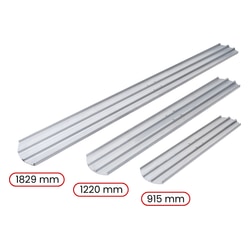
Round End Aluminium Bull Floats blade only 1220mmX203mm
70TA70zł664.20 tax incl. 540,00 zł tax excl.View technical data Zobacz szczegóły
- Dimensions: 1220 x 203 mm | 1829 x 203 mm | 915 x 203 mm
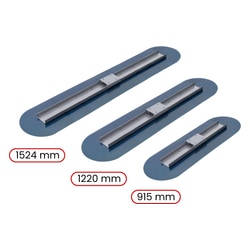
Rounded profile Big Blue Float Toolsa
70TA10zł922.50 tax incl. 750,00 zł tax excl.View technical data Zobacz szczegóły
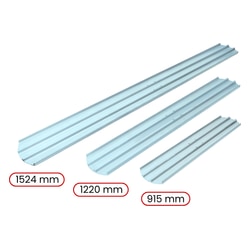
- Dimensions: 1220 x 305 mm | 1524 x 305 mm | 915 x 305 mm
Profil (lizak) magnezowy łaty Bull Float zaokrąglony Toolsa
70TA22zł1,228.77 tax incl. 999,00 zł tax excl.View technical data Zobacz szczegóły
- Dimensions: 915 × 203 mm | 1220 × 203 mm | 1524 × 203 mm
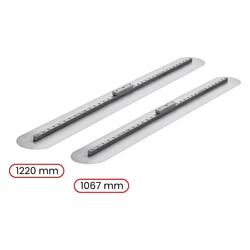
Toolsa Manganese Steel Bull Float Blade, Round End
70TA03zł1,230.00 tax incl. 1 000,00 zł tax excl.View technical data Zobacz szczegóły
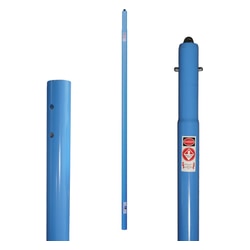
- Working width: 915 mm | 1067 mm | 1220 mm
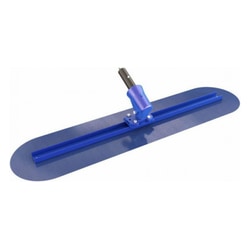
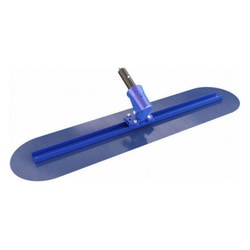
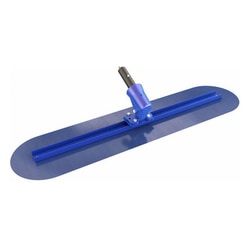
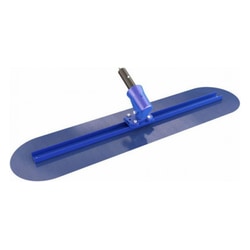
A bull float is a wide, flat blade mounted on a telescopic handle and used to close the surface of freshly placed concrete immediately after it has been struck off to level. The rounded leading edge of the blade pushes coarse aggregate down into the mix and draws cement laitance (the layer of fine paste needed for later troweling) to the top, leaving a flat slab ready for the next stage of finishing. Working widths run from 900 to 1829 mm, and handle sections joined together give a reach of around 5.4 m from one position — so the operator never has to step into wet concrete.
NORWIT.PL supplies professional bull floats from Toolsa, Beton Trowel, Enar and Altrad Belle: magnesium and aluminium Bull Float blades, wide Big Blue Float profiles, magnesium Enar TRO oscillating hand screeds, plus replacement blades, aluminium handle sections, rotating heads with pitch adjustment and squeegees for pulling off bleed water. The range works together with screeding and channel floats for the initial strike-off, texture bars and concrete brooms for a non-slip finish, and edgers for the slab perimeter. Below we explain how to match blade material, working width and handle length to the size of the pour, and where the bull float belongs in the finishing sequence.
What a bull float is and when it goes to work
A bull float is a wide, flat blade attached to a telescopic handle through a pivoting head, worked from the edge of the slab. On site the same tool is also called a smoothing float or a finishing float on a pole. It is the second tool to touch the concrete: the mix is first struck off to level with a screed board or a vibratory screed, and only then does the bull float close the surface.
A single pass does three jobs at once. It presses the coarser aggregate below the surface, brings cement laitance up to the top, and erases the ridges left by the screed. Passes are made in a cross pattern — the first run perpendicular to the direction of screeding, the second at a right angle to the first. Working widths in our range span 900 to 1829 mm, and since one handle section is typically 1.8 m, a set of three sections reaches around 5.4 m. Site slang also calls the same tool a concrete float, a smoothing bar or a floating screed, and the stage itself is often simply called floating the concrete. Levelling and compacting the mix itself is the job of vibratory screeds, while final polishing belongs to power trowels.
Magnesium, aluminium or steel — matching the blade
Blade material and edge geometry decide most of the finish quality. Magnesium is the lightest option and releases wet concrete best rather than dragging paste along, which is why flooring crews reach for it first. Aluminium costs less and is stiffer, making it a sound choice for screeds and garage slabs. Manganese steel gives the hardest, tightest closing edge, but it demands timing — used too early it seals the pores and traps water under the surface. The wide Big Blue Float blades sit in a group of their own: heavily rounded edges, built for large placements where the blade must not cut into a fresh slab.
| Blade type | Widths in the range | Character | Typical use |
|---|---|---|---|
| Magnesium Bull Float | approx. 915–1524 mm | lightest, does not pick up paste, fast passes | industrial floors, large pours, crew work |
| Aluminium Bull Float | approx. 915–1829 mm | stiff, hard-wearing, good value | screeds, garages, yards, general building work |
| Manganese steel | usually approx. 1200 mm | hard edge, closes the surface tightly | concrete that needs a dense, smooth close |
| Big Blue Float | approx. 900–1800 mm | wide, strongly rounded edges | large slabs, work without cutting the surface |
| Oscillating hand screed | 900, 1200 and 1800 mm | magnesium blade with vibration drive, compacts | floors where compaction matters alongside smoothing |
| Bleed water squeegee | 1000 and 2000 mm | rubber blade | pulling bleed water off the slab |
Width follows the scale of the job: around 900 mm gives a manoeuvrable blade for rooms and work around columns, 1200–1500 mm is the all-round standard for a flooring crew, and blades from 1800 mm up cut the number of passes in warehouses and production buildings. Blades are also sold on their own, as replacements for a handle you already own.
Handles, heads and complete sets — what the hardware decides
A bull float is only as good as its head and handle. A standard aluminium handle section measures 1.8 m, and complete Beton Trowel and Toolsa sets usually ship with three sections for a reach of around 5.4 m — enough to finish a strip of slab from one edge without walking on wet concrete. Enar supplies its TRO 900, TRO 1200 MG and TRO 1800 MG hand screeds in a carry case with a set of handle sections, which makes them easy to move between sites.
The critical part is the rotating head with pitch adjustment, marketed as Pitch Control: twisting the handle changes the tilt of the blade so it glides instead of digging in. Adjustable heads are also stocked as a separate item.
| Component | Typical parameter | What it gives |
|---|---|---|
| Aluminium handle section (pole) | 1.8 m; joined in 2–4 sections | reach of 3.6–7.2 m from the slab edge |
| Rotating Pitch Control head | blade tilt adjustment | no waves or gouges when reversing direction |
| Replacement blade | magnesium, aluminium, manganese steel | lower running cost, one handle for several blades |
| Transport case with handles | set of handle sections in a case | a complete kit ready for the site |
| Fluted texturing bar | approx. 1067 mm | surface texture and spreading dry-shake hardener |
| Spreader bar for anhydrite screed | tube dia. 50.8 mm | distributing self-levelling screeds |
The finishing sequence — where the bull float fits
The most common site mistake is using the right tool at the wrong moment. Concrete is finished in stages, and every stage has its own time window, counted from placing the mix and driven by temperature and mix design. Bleed water gets a stage of its own: it is the water that rises to the surface of the slab once the mix has been compacted, and it has to be cleared before the power trowels come in. The sequence below is standard practice on concrete floors.
| Stage | Tool | Purpose |
|---|---|---|
| 1. Strike off to level | screed board or vibratory screed | levelling and compacting the mix |
| 2. Closing the surface | bull float | pushing aggregate down, drawing laitance up |
| 3. Removing bleed water | rubber squeegee | clearing surplus water before troweling |
| 4. Edges and joints | edgers and edging floats | finishing slab perimeters and joints |
| 5. Troweling | power trowels or hand floats | densifying and smoothing the top layer |
| 6. Non-slip texture | texture bars and brooms | roughening ramps and external slabs |
A full overview of the equipment used across these stages sits in the concrete hand tools category, which also holds concrete rakes and come-alongs for spreading the mix.
Frequently asked questions about bull floats
What is a bull float used for?
A bull float is a wide blade on a pivoting head and a telescopic handle, used to close the surface of a fresh pour right after it has been struck off to level. One pass presses the coarser aggregate below the surface and lifts cement laitance to the top, which is what later troweling works on. Blades come in widths from 900 to 1829 mm, and 1.8 m handle sections are joined two to four at a time for a reach of 3.6–7.2 m from the slab edge, so the finisher stays off the wet concrete.
Magnesium or aluminium bull float — what is the difference?
Magnesium has a density of about 1.74 g/cm³ against roughly 2.70 g/cm³ for aluminium, so a magnesium blade of the same width is around a third lighter and drags far less cement paste along — which is why flooring crews pick it for long shifts and for industrial floors. Aluminium is stiffer and cheaper to buy, and it performs well on screeds, garage slabs and yards. Both materials are available in roughly the 915–1829 mm range, so the decision comes down to how intensively the tool will be used and to budget, not to the quality of the finish itself.
What working width should I choose?
A blade of around 900 mm is the most manoeuvrable and earns its place in rooms, around columns and on narrow bays of concrete. The 1200–1500 mm bracket is the all-round standard used on most floors and screeds. Blades from 1800 mm up cut the number of passes across warehouses and large yards, but they need an evenly struck-off surface and two-handed work. Bear in mind that a longer blade also puts more leverage on the handle, so the operator tires sooner.
When do I use a bull float and when a vibratory screed?
The vibratory screed comes first: it pulls the mix to level and compacts it with vibration, driving out air pockets. The bull float follows immediately and does not compact at all — it closes the surface and lifts cement laitance. These are two separate stages of the same job and neither replaces the other. The middle ground is an oscillating hand screed, available in 900, 1200 and 1800 mm widths, which combines smoothing with light compaction of the top layer.
Why does a bull float need Pitch Control?
A head with pitch adjustment lets the operator twist the handle to change blade tilt: pushing away lifts the leading edge, pulling back lifts the trailing edge. Without it the blade cuts into fresh concrete and leaves waves and hollows that then have to be corrected during troweling. The adjustment matters most on wide blades from 1200 mm up, where a pitch error of 2–3° shows as a visible mark along the whole length of the pass, which reaches 5.4 m with three handle sections. Adjustable heads are stocked separately as well.
How do I look after a bull float and when should the blade be replaced?
Wash the blade with water as soon as the pour is finished — once the paste has set it can only be taken off mechanically, which ruins the working face. Magnesium is additionally sensitive to mortars and acidic cleaning agents. Replace a blade once the leading edge is worn unevenly or the blade carries a permanent bend along its length, because from that point it marks the surface on every pass. Magnesium, aluminium and manganese steel blades are sold on their own, in widths from roughly 900 to 1829 mm, so replacing one does not mean buying a complete set with 1.8 m handle sections.
Why buy your bull float at NORWIT.PL
We put concrete finishing tools together so that a crew can take a slab from strike-off to final texture on a single order. The range covers Toolsa, Beton Trowel, Enar and Altrad Belle — complete sets with handles, magnesium oscillating hand screeds, and the wear parts that go with them: replacement blades, 1.8 m aluminium handle sections and heads with pitch adjustment. We help match blade material and width to a specific floor, and orders are placed online with delivery throughout Poland. The rest of the concrete kit is in the concrete hand tools category.