


-
-
Concrete
-
- Concreting
- Concrete Vibrators
- Complete 230 V Mechanical Vibrators
- Vibrator Heads
- Vibrator Shafts
- Vibrator Motors
- Concrete Vibrators 42 V | 200 Hz
- Mechanical Vibrators 230 V
- 42 V | 200 Hz Head and Shaft
- 230 V Concrete Vibrators
- Vibrators With Built-In 230 V | 200 Hz Converter
- 42 V | 200 Hz Converters
- Combustion Vibrators
- Pneumatic Vibrators
- External Vibrators
- Power Trowels
- Vibratory Screeds
- Concrete Hand Tools
- Concrete Vibrators
-
-
-
-
-
- Walk-Behind Combustion Power Trowels
-
-
-
Heating and cooling
-
Generators
-
Earthworks
-
Industrial vacuums
-
Finishing
-
Pumps
-
Measurement
-
BLOG & Tips
-
Promotions
Kategorie 16 kategorii
Kategorie
-
- Levels and Measurements
- Soil Compactors
- Tamping Rammers - Jumping Jacks
- Single Direction Vibratory Plates
- Reversible Vibratory Plates
- Rollers
- 100 kg Soil Compactors
- 200 kg Soil Compactors
- 300 kg Soil Compactors
- 400 kg Soil Compactors
- 500 kg Soil Compactors
- 600 kg Soil Compactors
- 700 kg Soil Compactors
- 800 kg Soil Compactors
- Wacker Neuson Compactors
- Accessories for Compactors
- Bomag Compactors
- Altrad Belle Compactors
- Paver Compactors
- Swepac Compactors
- Power Generators
- Concreting
- Concrete Vibrators
- Complete 230 V Mechanical Vibrators
- Vibrator Heads
- Vibrator Shafts
- Vibrator Motors
- Concrete Vibrators 42 V | 200 Hz
- Mechanical Vibrators 230 V
- 42 V | 200 Hz Head and Shaft
- 230 V Concrete Vibrators
- Vibrators With Built-In 230 V | 200 Hz Converter
- 42 V | 200 Hz Converters
- Combustion Vibrators
- Pneumatic Vibrators
- External Vibrators
- Vibratory Screeds
- Power Trowels
- Concrete Hand Tools
- Concrete Vibrators
- Pumps and Motor Pumps
- Cutting, Drilling and Grinding
- Heating and Cooling
- Wood Table Saws
- Painting and Plastering
- Combustion Engines
- Washing and Vacuuming
- Cement Mixers
- Paving Tools
- Wheelbarrows and Track Dumpers
- Demolition and Hammers
- Sales
- Levels and Measurements
Brak kategorii pasujących do wyszukiwania.
Disc Cutters
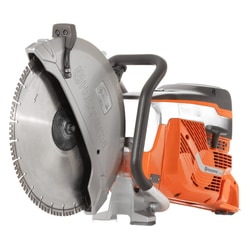
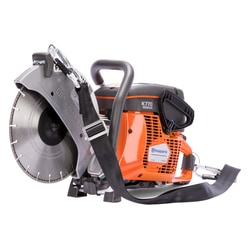
Przecinarka ręczna Husqvarna K 970 (400 mm)
967348101zł5,593.81 tax incl. 4 547,81 zł tax excl.View technical data Zobacz szczegóły
- Weight: 11 kg
- Fuel: Petrol
- Output power: 4,8 kW
- Engine capacity: 94 cm³
- Max. disc diameter: 400 mm
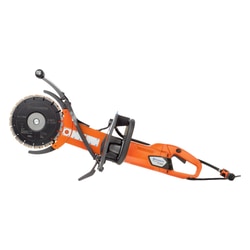
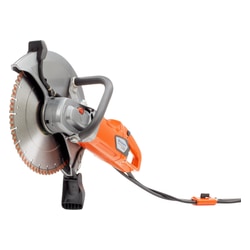
Przecinarka elektryczna Husqvarna K 4000 Cut-n-Break
967079701zł7,979.99 tax incl. 6 487,80 zł tax excl.View technical data Zobacz szczegóły
- Weight: 8,4 kg
- Voltage: 230 V
- Output power: 2,7 kW
- Max. disc diameter: 230 mm
- Max. depth of cut: 400 mm
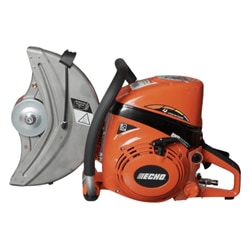
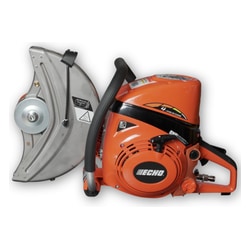
Echo CSG-7410ES Petrol Manual Concrete Cutter
sk_90zł6,027.00 tax incl. 4 900,00 zł tax excl.View technical data Zobacz szczegóły
- Weight: 10,7 kg
- Engine power: 4,4km / 3,2 kW
- Fuel tank: 700ml
- Disc bore diameter: 25,4 mm
Echo CSG-7410ES diesel manual concrete cutter
CSG-7410ES-tacticutzł6,027.00 tax incl. 4 900,00 zł tax excl.No technical data available Zobacz szczegóły
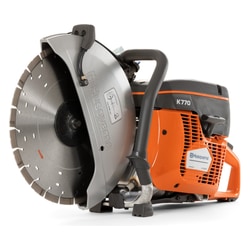
Husqvarna K 770 II Power Cutter (350 mm)
970850301zł4,278.99 tax incl. 3 478,85 zł tax excl.View technical data Zobacz szczegóły
- Weight: 10,1 kg
- Fuel: Petrol
- Output power: 3,9 kW
- Engine capacity: 74 cm³
- Max. disc diameter: 350 mm
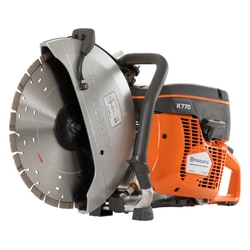
Przecinarka ręczna Husqvarna K 770 (350 mm)
967682101zł4,275.89 tax incl. 3 476,33 zł tax excl.View technical data Zobacz szczegóły
- Weight: 10,1 kg
- Fuel: Petrol
- Output power: 3,7 kW
- Engine capacity: 74 cm³
- Max. disc diameter: 350 mm
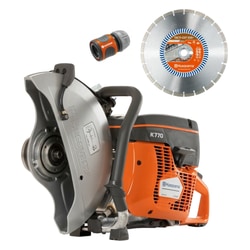
Przecinarka ręczna Husqvarna K 770 (350 mm) z tarczą Tacti-Cut S50 PLUS
k770_tarczazł4,488.64 tax incl. 3 649,30 zł tax excl.View technical data Zobacz szczegóły
- Weight: 10,1 kg
- Fuel: Petrol
- Output power: 3,7 kW
- Engine capacity: 74 cm³
- Max. disc diameter: 350 mm
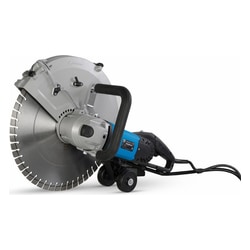
Disc Cutter Tyrolit HBE 400 Electric Hand Cutting Machine
10991700zł4,894.99 tax incl. 3 979,67 zł tax excl.View technical data Zobacz szczegóły
- Weight: 9,1 kg
- Dimensions: 735 x 259 x 365 mm
- Voltage: 230 V
- Engine: Elektryczny
- Power: 3,2 kW
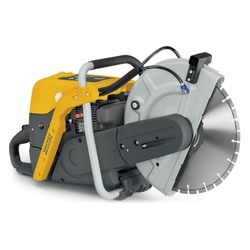
Disc Cutter Wacker Neuson BTS 635S Hand Cutting Machine
5100005408zł4,797.00 tax incl. 3 900,00 zł tax excl.View technical data Zobacz szczegóły
- Weight: 11,3 kg
- Dimensions: 825 x 315 x 420 mm
- Voltage: Nie dotyczy
- Engine: Spalinowy dwusuwowy
- Power: 3,7 kW
Przecinarka elektryczna Husqvarna K 4000
967079801zł4,099.00 tax incl. 3 332,52 zł tax excl.View technical data Zobacz szczegóły
- Weight: 7,6 kg
- Voltage: 230 V
- Output power: 2,7 kW
- Max. disc diameter: 350 mm
- Max. depth of cut: 125 mm
Przecinarka ręczna Husqvarna K 1270
967978701zł6,154.03 tax incl. 5 003,28 zł tax excl.View technical data Zobacz szczegóły
- Weight: 13,6 kg | 14,9 kg
- Fuel: Petrol
- Output power: 5,8 kW
- Engine capacity: 119 cm³
- Max. disc diameter: 350 mm | 400 mm
Przecinarka ręczna Husqvarna K 770 Rescue
967809101zł5,058.01 tax incl. 4 112,20 zł tax excl.View technical data Zobacz szczegóły
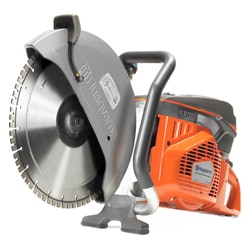
- Weight: 10 kg
- Fuel: Petrol
- Output power: 3,7 kW
- Engine capacity: 74 cm³
- Max. disc diameter: 300 mm
A handheld power cutter (also called a cut-off saw, disc cutter or concrete saw) is a portable tool that cuts concrete, reinforced concrete, asphalt, stone, paving blocks and steel with a rotating blade, usually 230–400 mm in diameter. Unlike wheel-mounted floor saws, you guide it by hand, so it cuts in any plane — vertically, horizontally and at an angle, including against walls and inside trenches. The cutting depth in a single pass reaches about 145 mm with a 400 mm blade.
At NORWIT.PL we stock professional handheld power cutters in three drive types: petrol for off-grid work in the field, cordless for emission-free cutting indoors, and electric with low emissions. The range is built primarily around Husqvarna Construction, alongside Norton Clipper and Dr. Schulze cutters. Every model belongs to the concrete cutting, drilling and grinding department. Below we explain how to match the drive, blade diameter and cutting depth to the material, and when to reach for a diamond blade versus an abrasive one.
Handheld power cutter — how disc cutting works
A handheld power cutter slices material with a fast-spinning blade driven by a petrol engine, an electric motor or a battery. The blade — diamond for mineral materials or abrasive for metal — makes a narrow kerf, while a guard with a spigot extracts dust or feeds cooling water. Peripheral blade speed reaches about 80–100 m/s, which lets the cutter work through concrete and asphalt where a wheel-mounted floor saw cannot reach.
Three parameters set what the tool can do: blade diameter (usually 230–400 mm), cutting depth in a single pass (up to about 145 mm) and the drive. At NORWIT.PL all three types come primarily from Husqvarna Construction.
Types of handheld power cutters — petrol, cordless and electric
Choosing the drive is the first decision — it depends on where you cut (field or indoors), whether you have mains power and how deep the cuts must be. The three types available at NORWIT.PL are compared in the table.
| Cutter type | Drive and emissions | Best for | Brands at NORWIT.PL |
|---|---|---|---|
| petrol handheld power cutters | 2-stroke petrol engine, exhaust fumes, no mains needed | outdoor sites, deep cutting of concrete and asphalt | Husqvarna Construction, Norton Clipper |
| cordless handheld power cutters | battery, no exhaust, low noise | interiors, finishing, short cuts | Husqvarna Construction |
| electric handheld power cutters | 230 V mains, low emissions, continuous work | powered indoor work, workshop, paving jobs | Husqvarna Construction, Dr. Schulze |
Petrol handheld power cutters, including popular Husqvarna K-series models (K770, K970), are driven by engines usually rated 4–6 hp and run 300–400 mm blades — the most versatile choice on site. Cordless models run quieter, with no exhaust, and most often use a blade of about 230 mm, so they suit interiors and finishing work. Electric models combine low emissions with continuous running wherever a 230 V socket is available.
Cutting depth versus blade diameter
The single-pass cutting depth follows directly from the blade diameter — usable depth is roughly the diameter divided by 2.8, because part of the blade hides inside the guard and drive spindle. That is why a 400 mm blade does not cut 400 mm, but about 145 mm.
| Blade diameter | Cutting depth (1 pass) | Typical drive |
|---|---|---|
| 230 mm | about 70–80 mm | cordless, electric |
| 300 mm | about 100 mm | petrol, electric |
| 350 mm | about 125 mm | petrol |
| 400 mm | up to about 145 mm | higher-power petrol |
For cutting slabs and thin elements, a 230–300 mm blade is enough. For splitting strip foundations and thick reinforced concrete you need a 350–400 mm blade and a more powerful engine that holds its revs under load.
Matching the blade to the material — concrete, asphalt, steel
The blade shapes cut quality and speed as much as the cutter itself. Mineral materials call for diamond blades (segments of sintered diamond powder on the rim), and metal for abrasive blades (corundum, which grinds the material away). Matching the blade to the material extends its life and protects the drive from overload.
| Material | Recommended blade | Notes |
|---|---|---|
| Concrete, reinforced concrete, paving blocks | diamond blade for concrete, segmented | wet cutting, segments for reinforced materials |
| Asphalt, bituminous layers | diamond blade for asphalt | harder bond resistant to abrasive material |
| Steel, sections, rebar | abrasive (corundum) | dry only, fast wear |
| Stone, granite, clinker | diamond blade for hard materials | slower feed, water cooling |
Reinforced concrete is a material where the blade meets aggregate and steel at once — a segmented diamond blade for cutting reinforced materials handles it best. You will find the full range in the diamond blades for concrete and asphalt blades categories.
Wet or dry cutting — water and dust
Cutting concrete generates harmful silica dust that quickly fills a whole room indoors. Feeding water to a diamond blade cuts dust by more than 90%, cools the segments and clearly extends blade life. Many petrol handheld cutters have a spigot and valve for a hose or a pressurised tank, and water use is usually 0.5–1 litre per minute.
Dry cutting with a diamond blade is possible, but only in short passes with cooling breaks and with dust extraction or a dust mask. Wet work also gives a cleaner kerf in pavers and slabs. Abrasive metal blades, by contrast, cut dry only.
Handheld cutter or floor saw — when to use which
The handheld cutter wins on versatility: it cuts vertically, horizontally and at an angle, weighs usually 8–11 kg and reaches where heavy gear will not fit — against walls, in trenches or on roofs. It is a tool for shorter, spot cuts, to a depth of about 145 mm.
When you need to cut long, straight lines in a floor, expansion joints or road surface over a large area, a wheel-mounted floor saw is more efficient and accurate, keeping a constant depth and a straight line. In practice crews keep both tools and fit both with the same diamond blades for concrete.
Frequently asked questions about handheld power cutters
What is the difference between a petrol and a cordless handheld power cutter?
A petrol cutter is driven by a two-stroke petrol engine usually rated 4–6 hp and runs a 300–400 mm blade, which lets it cut concrete and asphalt to about 145 mm deep without mains power — the choice for outdoor sites. A cordless cutter runs on a battery, cuts quieter and with no exhaust, so it suits interiors; it most often uses a blade of about 230 mm with a shallower cut of around 70–100 mm, at a weight usually under 6 kg without the blade.
What cutting depth does a handheld cutter reach with a 350 mm blade?
A 350 mm blade in a handheld cutter gives a single-pass cutting depth of about 125 mm. This follows from the blade geometry — part of it hides inside the guard and drive spindle. For comparison, a 300 mm blade cuts about 100 mm and a 400 mm blade up to about 145 mm. A deeper kerf comes from cutting the element from both sides or reaching for a floor saw.
Can a handheld power cutter cut reinforced concrete?
A petrol handheld cutter with a segmented diamond blade cuts through reinforced concrete, including rebar a dozen or more millimetres thick. The key is a blade with segments for reinforced materials and water cooling, which lowers the temperature and extends blade life. Models rated 4–6 hp with a 350–400 mm blade suit rebar cutting. Where there is a lot of steel, a separate abrasive metal blade helps, and with rebar above 20 mm cut in stages with cooling so the segments do not overheat.
Which blade should you fit to a handheld cutter — for concrete, asphalt or steel?
For concrete, reinforced concrete and paving blocks, use a segmented diamond blade for concrete, cooled with water. Asphalt needs a diamond blade for asphalt, with a harder bond resistant to the abrasive, sticky material. Cutting steel, sections and rebar calls for an abrasive (corundum) blade, dry only. Blade diameters are usually 300–400 mm on petrol cutters and about 230 mm on cordless ones. A blade run on the wrong material wears up to twice as fast.
How much does a petrol handheld concrete cutter cost?
A professional petrol Husqvarna handheld cutter for concrete usually starts from a few thousand PLN net, and more powerful models (5–6 hp) with a 400 mm blade for deep cutting cost more. Total running cost also depends on diamond blades, whose life runs to a few hundred metres of cutting, plus consumables such as the drive belt and air filter. Exact current prices for each model are on the product pages, and for one-off cutting, renting is sometimes an alternative.
What engine power does a petrol handheld concrete cutter need?
Petrol handheld cutters for concrete are driven by two-stroke petrol engines usually rated 4–6 hp (about 3–5 kW) with a displacement around 50–95 cc. Lighter models with a 300–350 mm blade are usually about 4–5 hp, while more powerful units with a 400 mm blade for deep cutting and reinforced concrete run about 6 hp. Higher power means steadier revs under load and faster cutting, but also more weight, reaching 9–11 kg. Cordless and electric models are the alternative for emission-free indoor work.
Can a cordless cutter handle cutting concrete?
A cordless handheld cutter cuts concrete, slabs and paving blocks, though shallower than a petrol one — with a blade of about 230 mm the cutting depth is usually 70–100 mm. It suits renovations and indoor cutting, where the lack of exhaust and lower noise matter. A single battery usually lasts several to a dozen minutes of continuous cutting, so spare packs help on longer jobs. For deep cutting of reinforced concrete, a petrol cutter with a 350–400 mm blade remains more efficient.
How often should you replace the blade and drive belt in a handheld cutter?
A diamond blade usually lasts a few hundred metres of concrete cutting, and its wear shows as low segments (below 2–3 mm above the core) and a slower kerf. Abrasive blades for steel wear much faster. The drive belt that carries power to the blade spindle is replaced when it shows visible wear or slip, usually every few dozen hours of work. Cleaning the air filter and cooling the blade with water extend the life of the blade and the engine.
Does a handheld power cutter need a water supply when cutting concrete?
Wet cutting of concrete is not formally required with every blade, but connecting water pays off strongly: it lowers silica dust by more than 90%, cools the blade and extends its life. Many petrol handheld cutters have a spigot and valve for a hose or a pressurised tank, using around 0.5–1 litre of water per minute. Dry cutting with a diamond blade is possible in short passes, but it raises a lot of dust, so indoors you use water or dust extraction.
Which handheld cutter suits cutting paving blocks and kerbs?
For cutting paving blocks, kerbs and pavement slabs, the best choice is a petrol or electric handheld cutter with a diamond blade for concrete, 300–350 mm in diameter, giving a cutting depth of 100–125 mm — enough for most blocks and edging. On sites without power, a petrol drive of 4–5 hp wins, while for paving work in residential areas a quieter cordless or electric model does. Wet cutting limits dust and improves edge quality.
Why buy a handheld power cutter from NORWIT.PL
We specialise in professional concrete-cutting equipment: our range is built primarily around Husqvarna Construction handheld cutters — petrol, cordless and electric — alongside Norton Clipper and Dr. Schulze cutters. We advise on choosing the drive, blade diameter and cutting depth for your material, and match every machine with diamond blades for concrete and asphalt blades. The range is rounded out by wheel-mounted floor saws for long straight cuts and equipment from the concrete cutting, drilling and grinding department. We fulfil orders online with nationwide shipping.