


-
-
Concrete
-
- Concreting
- Concrete Vibrators
- Complete 230 V Mechanical Vibrators
- Vibrator Heads
- Vibrator Shafts
- Vibrator Motors
- Concrete Vibrators 42 V | 200 Hz
- Mechanical Vibrators 230 V
- 42 V | 200 Hz Head and Shaft
- 230 V Concrete Vibrators
- Vibrators With Built-In 230 V | 200 Hz Converter
- 42 V | 200 Hz Converters
- Combustion Vibrators
- Pneumatic Vibrators
- External Vibrators
- Power Trowels
- Vibratory Screeds
- Concrete Hand Tools
- Concrete Vibrators
-
-
-
-
-
- Walk-Behind Combustion Power Trowels
-
-
-

Heating and cooling
-
Generators
-
Earthworks
-
Industrial vacuums
-
Finishing
-
Pumps
-
Measurement
-
BLOG & Tips
-
Promotions
Kategorie 16 kategorii
Kategorie
-
- Levels and Measurements
- Soil Compactors
- Tamping Rammers - Jumping Jacks
- Single Direction Vibratory Plates
- Reversible Vibratory Plates
- Rollers
- 100 kg Soil Compactors
- 200 kg Soil Compactors
- 300 kg Soil Compactors
- 400 kg Soil Compactors
- 500 kg Soil Compactors
- 600 kg Soil Compactors
- 700 kg Soil Compactors
- 800 kg Soil Compactors
- Wacker Neuson Compactors
- Accessories for Compactors
- Bomag Compactors
- Altrad Belle Compactors
- Paver Compactors
- Swepac Compactors
- Power Generators
- Concreting
- Concrete Vibrators
- Complete 230 V Mechanical Vibrators
- Vibrator Heads
- Vibrator Shafts
- Vibrator Motors
- Concrete Vibrators 42 V | 200 Hz
- Mechanical Vibrators 230 V
- 42 V | 200 Hz Head and Shaft
- 230 V Concrete Vibrators
- Vibrators With Built-In 230 V | 200 Hz Converter
- 42 V | 200 Hz Converters
- Combustion Vibrators
- Pneumatic Vibrators
- External Vibrators
- Vibratory Screeds
- Power Trowels
- Concrete Hand Tools
- Concrete Vibrators
- Pumps and Motor Pumps
- Cutting, Drilling and Grinding
- Heating and Cooling
- Wood Table Saws
- Painting and Plastering
- Combustion Engines
- Washing and Vacuuming
- Cement Mixers
- Paving Tools
- Wheelbarrows and Track Dumpers
- Demolition and Hammers
- Sales
- Levels and Measurements
Brak kategorii pasujących do wyszukiwania.
Laser Mounts
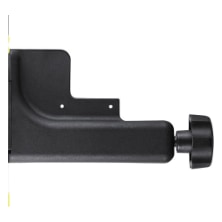
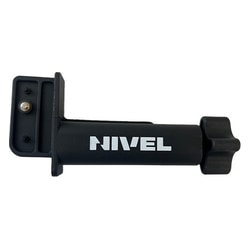
Nivel System NL-BR600 Sensor Holder
NL-BR600zł233.70 tax incl. 190,00 zł tax excl.View technical data Zobacz szczegóły
- Brand: Nivel System
- Cooperation with the receiver: Rd800 digital Rd700 digital
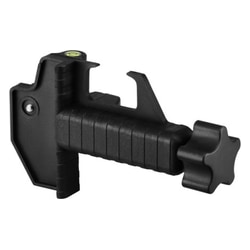
Nivel System NL-BR Sensor Holder
NL-BRzł167.28 tax incl. 136,00 zł tax excl.View technical data Zobacz szczegóły
- Brand: Nivel System
- Cooperation with the receiver: Rd200 Rd100
Nivel System CLS-BR3 Sensor Holder
CLS-BR3zł147.60 tax incl. 120,00 zł tax excl.View technical data Zobacz szczegóły
- Brand: Nivel System
- Cooperation with the receiver: CLS-3
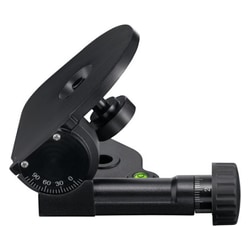
Nivel System Tripod Adapter GA-XZPT
GA-XZPTzł504.00 tax incl. 409,76 zł tax excl.View technical data Zobacz szczegóły
- Brand: Nivel System
- Tilt range: Od 0° do 90°
Nivel System NL-BR500 Sensor Holder
NL-BR500zł233.70 tax incl. 190,00 zł tax excl.View technical data Zobacz szczegóły
- Brand: Nivel System
- Cooperation with the receiver: Rd500 digital
Nivel System CLS-BR Sensor Holder
CLS-BRzł146.37 tax incl. 119,00 zł tax excl.View technical data Zobacz szczegóły
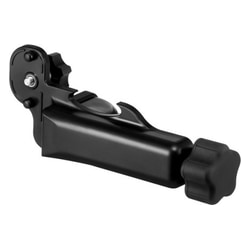
- Brand: Nivel System
- Cooperation with the receiver: CLS-1
A laser mount is the clamping part that ties a rotating laser, a crossline laser or a beam detector to a tripod, an extension pole, a survey rod or a structure on site. The instrument itself defines a plane to roughly 1–3 mm at 30 m, but that figure only holds while the transmitter and the receiver stay still and keep the same reference point. This makes the mount part of the measuring chain rather than a minor add-on: 2 mm of play in a clamp turns straight into a height error.
NORWIT.PL supplies mainly detector clamps and tripod adapters from Nivel System, matched to receivers used with rotating and construction lasers. Mounts work alongside laser level extension poles, surveying tripods and the laser levels themselves. Below we explain how the mounting types differ, which thread standard surveying equipment uses and how to clamp a detector so that readings stay repeatable through a full working day.
Laser mounts — what they hold and why accuracy depends on it
A laser mount ties an instrument to a stable reference point, in one of two roles. The first is the detector clamp: a bracket seating a beam receiver on an extension pole, survey rod or formwork profile. The second is the tripod adapter, letting a laser or level sit on a non-factory head. Repeatability is what counts: with accuracy of roughly 1–3 mm at 30 m, 2 mm of slack in a clamp outweighs the error of the instrument itself.
Most of the range here comes from Nivel System: detector clamps and tripod adapters sized for receivers working with rotating lasers. A mount is usually bought with laser level extension poles of roughly 3–5 m, surveying tripods or crank-operated tripods.
Types of laser and detector mount
| Mounting type | What it holds | Typical use | What to check |
|---|---|---|---|
| Detector clamp (rod bracket) | beam receiver | site levelling, excavation depth control | jaw range for the rod, usually about 20–60 mm |
| Tripod adapter | rotating laser, optical or laser level | working with a non-factory tripod head | thread compatibility, most often 5/8" × 11 |
| Wall bracket | crossline or line laser | suspended ceilings, tiling, indoor fit-out | vertical fine adjustment and the fixing method |
| Magnetic mount | light line laser, detector | steel structures, CD/UD profiles, formwork | magnet strength, cleanliness of the surface |
Matching a mount to your equipment
Thread standard
Surveying equipment runs on the imperial 5/8" × 11 thread, found on tripod heads, survey rods and the base of most rotating lasers. Light crossline lasers often use the 1/4" photographic thread, so combining the two families calls for a reducing bushing. Forcing a mismatched thread strips the turns and leaves permanent play.
Jaw range and rigidity
A detector clamp has to close around a rod profile roughly 20–60 mm wide, on a rigid body, with a wing screw pressing over an area rather than a point. The check is simple: once tightened, try to twist the detector by hand. If it shifts under finger pressure, the height reference drifts by millimetres over 30–40 readings in a day.
Worth adding to the kit are surveying accessories and laser rangefinders. Start with an instrument from rotating laser levels and choose the mount last.
Laser mounts — frequently asked questions
What is the difference between a detector clamp and a tripod adapter?
A detector clamp is a bracket seating a beam receiver on an extension pole or survey rod with a profile usually 20–60 mm wide. It works on the receiving side and sets the height at which the detector picks up the plane. A tripod adapter works on the transmitting side: it screws onto the head with the 5/8" × 11 thread and lets a rotating laser stand on a non-factory tripod. The two sometimes ship in one kit, but are not interchangeable: a rod clamp carries no tripod thread.
Which thread do mounts for lasers and levels use?
The standard across surveying equipment is the imperial 5/8" × 11 thread, used on tripod heads, survey rods and the bases of rotating lasers. The other size in circulation is the 1/4" photographic thread, typical for light crossline lasers. Joining them requires a 5/8" to 1/4" reducing bushing. The difference in diameter is about 9.5 mm and plainly visible, so a look into the socket in the instrument base settles it.
How can you tell a detector clamp is worn out and needs replacing?
A worn clamp gives itself away in three ways: the jaw no longer holds the rod profile even with the wing screw fully tightened, the 5/8" × 11 thread socket turns with noticeable play, and readings taken from one station drift by 2–3 mm although the laser has not been moved. With instrument accuracy of roughly 1–3 mm at 30 m, a mount with play doubles the measuring error, and a new clamp costs less than reworking levels on a finished slab.
Is a magnetic or wall mount suitable for a rotating laser used outdoors?
Magnetic and wall mounts are built for light line and crossline lasers used indoors, over distances of no more than 15–20 m and with instruments usually under 1.5 kg. A rotating laser for site levelling works over 30 m and more and needs a rigid three-point base, so outdoors it belongs on a surveying tripod with the 5/8" × 11 thread, with the detector held on the rod by a clamp. A magnet also loses grip on dusty steel.