

-
-
Concrete
-
- Concreting
- Concrete Vibrators
- Complete 230 V Mechanical Vibrators
- Vibrator Heads
- Vibrator Shafts
- Vibrator Motors
- Concrete Vibrators 42 V | 200 Hz
- Mechanical Vibrators 230 V
- 42 V | 200 Hz Head and Shaft
- 230 V Concrete Vibrators
- Vibrators With Built-In 230 V | 200 Hz Converter
- 42 V | 200 Hz Converters
- Combustion Vibrators
- Pneumatic Vibrators
- External Vibrators
- Power Trowels
- Vibratory Screeds
- Concrete Hand Tools
- Concrete Vibrators
-
-
-
-
-
- Walk-Behind Combustion Power Trowels
-
-
-
Heating and cooling
-
Generators
-
Earthworks
-
Industrial vacuums
-
Finishing
-
Pumps
-
Measurement
-
BLOG & Tips
-
Promotions
Kategorie 16 kategorii
Kategorie
-
- Levels and Measurements
- Soil Compactors
- Tamping Rammers - Jumping Jacks
- Single Direction Vibratory Plates
- Reversible Vibratory Plates
- Rollers
- 100 kg Soil Compactors
- 200 kg Soil Compactors
- 300 kg Soil Compactors
- 400 kg Soil Compactors
- 500 kg Soil Compactors
- 600 kg Soil Compactors
- 700 kg Soil Compactors
- 800 kg Soil Compactors
- Wacker Neuson Compactors
- Accessories for Compactors
- Bomag Compactors
- Altrad Belle Compactors
- Paver Compactors
- Swepac Compactors
- Power Generators
- Concreting
- Concrete Vibrators
- Complete 230 V Mechanical Vibrators
- Vibrator Heads
- Vibrator Shafts
- Vibrator Motors
- Concrete Vibrators 42 V | 200 Hz
- Mechanical Vibrators 230 V
- 42 V | 200 Hz Head and Shaft
- 230 V Concrete Vibrators
- Vibrators With Built-In 230 V | 200 Hz Converter
- 42 V | 200 Hz Converters
- Combustion Vibrators
- Pneumatic Vibrators
- External Vibrators
- Vibratory Screeds
- Power Trowels
- Concrete Hand Tools
- Concrete Vibrators
- Pumps and Motor Pumps
- Cutting, Drilling and Grinding
- Heating and Cooling
- Wood Table Saws
- Painting and Plastering
- Combustion Engines
- Washing and Vacuuming
- Cement Mixers
- Paving Tools
- Wheelbarrows and Track Dumpers
- Demolition and Hammers
- Sales
- Levels and Measurements
Brak kategorii pasujących do wyszukiwania.
Pressure Washers
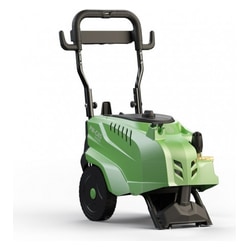
Probst EASYCLEAN EC-60 Pavement Washer
51700004zł23,244.54 tax incl. 18 898,00 zł tax excl.View technical data Zobacz szczegóły
- Weight: 53 kg
- Working width: 600 mm
- Engine power: 4 kW
- Drive type: Silnik benzynowy (4 kW)
Pressure Washer 190BAR ! -PORTOTECNICA IPC PW-C45 D1915P4 T Cold-Water.
IDAF40917zł8,775.00 tax incl. 7 134,15 zł tax excl.View technical data Zobacz szczegóły
- Weight: 40 kg
- Dimensions: 75 x 42 x 82 cm
- Voltage: 400 V
- Turnover: 4-1400 obr/min
- I know too much.: 4,9 kW
Pressure Washer PORTOTECNICA IPC PW-C09 COLDWATER
IDAF94300zł895.44 tax incl. 728,00 zł tax excl.View technical data Zobacz szczegóły
- Weight: 10 kg
- Dimensions: 25 x 25 x 78 cm
- Turnover: 2-2800 obr/min
- I know too much.: 1,8 kW
- Type: Zimna Woda
PORTOTECNICA IPC PW-C22P I1508A M Cold-Water Pressure Washer
IDAF94304zł2,710.92 tax incl. 2 204,00 zł tax excl.View technical data Zobacz szczegóły
- Weight: 20 kg
- Dimensions: 34 x 36 x 86 cm
- Turnover: 2-2800 obr/min
- I know too much.: 2,5 kW
- Type: Zimna Woda
Pressure Washer PORTOTECNICA IPC PW-C45 D1708P4 M Cold-Water 230v.
IDAF40903zł8,775.00 tax incl. 7 134,15 zł tax excl.View technical data Zobacz szczegóły
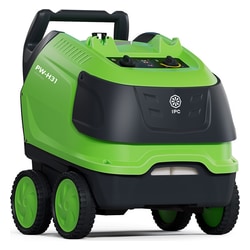
- Weight: 40 kg
- Dimensions: 75 x 42 x 82 cm
- Voltage: 230 V
- Turnover: 4-1400 obr/min
- I know too much.: 3,0 kW
Pressure Washer PW-H31 D1509P4 M
IDAC41595zł15,153.60 tax incl. 12 320,00 zł tax excl.View technical data Zobacz szczegóły
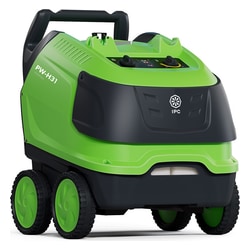
- Weight: 80 kg
- Dimensions: 82 x 63 x 87
- Engine power: 2
- Frequency: 50 Hz
- Voltage: 230 V
Pressure Washer PW-H31 D1713P T
IDAC41596zł19,575.45 tax incl. 15 915,00 zł tax excl.View technical data Zobacz szczegóły
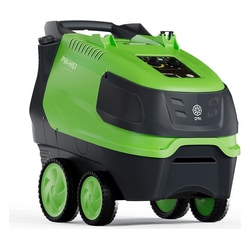
- Weight: 90 kg
- Dimensions: 82 x 63 x 87
- Engine power: 4
- Frequency: 50 Hz
- Voltage: 400 V (trójfazowe)
Pressure Washer PW-H61P/4 D1719P4 T
IDAC41598zł25,793.10 tax incl. 20 970,00 zł tax excl.View technical data Zobacz szczegóły
- Weight: 140 kg
- Dimensions: 110 x 70 x 90 cm
- Engine power: 6
- Frequency: 50 Hz
- Voltage: 400 V (trójfazowe)
PORTOTECNICA IPC PW-H90 Hot Water Pressure Washer
IDAC40362zł33,122.67 tax incl. 26 929,00 zł tax excl.View technical data Zobacz szczegóły
- Weight: 182 kg
- Dimensions: 131 x 77 x 95 cm
- Voltage: 400 V
- Turnover: 4-1400 obr/min
- I know too much.: 8,5 kW
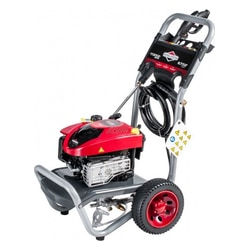
B&S Elite 2500 Pressure Washer
020633zł2,489.52 tax incl. 2 024,00 zł tax excl.No technical data available Zobacz szczegóły
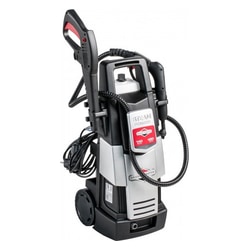
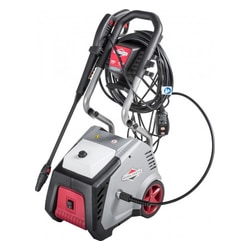
B&S Sprint 2000E Pressure Washer
020628Ask for price and availabilityNo technical data available Zobacz szczegóły
B&S Sprint 2300E Pressure Washer
020622zł949.56 tax incl. 772,00 zł tax excl.No technical data available Zobacz szczegóły
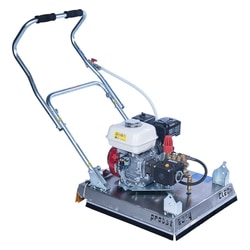
A pressure washer (also called a high-pressure cleaner) removes dirt with a jet of water compressed by a pump to high pressure. Professional models usually work in the 100–275 bar range at a water flow of 500–1200 l/h — it is the combination of jet force and water volume that decides how fast the stream breaks up and rinses away the dirt. Water this concentrated washes off concrete, dried plaster, moss, mud and graffiti many times faster than manual cleaning, and with the right nozzle and pressure it does not damage the surface. Hot-water models heat the jet to 80–155 °C, so they dissolve grease and oils where cold water only smears the deposit.
At NORWIT.PL we stock professional pressure washers primarily from the Italian brand IPC, including petrol models powered by Briggs & Stratton engines for work without mains power. We split the range by water type and drive into cold-water pressure washers, hot-water pressure washers and petrol pressure washers; all belong to the washing and vacuuming department. Below we explain how many bar and what water flow to choose for the job, and when to opt for hot water or a petrol drive.
Pressure washer and high-pressure cleaner — how cleaning under pressure works
A pressure washer (also called a high-pressure cleaner) removes dirt with a jet of water compressed by a pump to high pressure. Two parameters decide its effectiveness at once: the working pressure in bar (the force of the jet) and the water flow, that is the throughput in litres per hour (the volume of water rinsing away the loosened dirt). Professional models usually work in the 100–275 bar range at a flow of 500–1200 l/h. High force alone without adequate flow lengthens the cleaning, which is why both parameters are chosen together to match the scale and type of the job.
Water this concentrated washes off concrete, dried plaster, moss, mud, grease and graffiti many times faster than manual cleaning, and with the right nozzle and pressure it does not damage the surface. At NORWIT.PL we stock professional pressure washers primarily from the Italian brand IPC — a manufacturer of cleaning and maintenance equipment — including petrol models with Briggs & Stratton engines for work without power. Below we explain the differences between cold and hot water, petrol and electric drives, and how to match pressure and flow to the surface.
Types of pressure washers — cold water, hot water and petrol drive
Professional washers divide by water type and drive into cold-water models, hot-water models and petrol ones. The table below sets out the typical parameters and applications of each type.
| Washer type | Pressure (bar) | Flow (l/h) | Water temperature | Power source | Typical application |
|---|---|---|---|---|---|
| cold-water pressure washers | 100–250 | 500–1200 | mains water (cold) | electric | facades, concrete, paving, machinery, vehicles |
| hot-water pressure washers | 100–200 | 500–1000 | heated to 80–155 °C | electric + burner | grease, oil, workshops, car washes, food industry |
| petrol pressure washers | 150–275 | 600–1200 | mains water (cold) | Briggs & Stratton engine | construction and sites without mains power |
Cold-water washers without heating are the most versatile choice for mineral dirt — dust, mud and moss. Hot-water washers add a burner and a heating coil, so they handle grease and oils, while petrol washers with a Briggs & Stratton engine give full mobility without a power socket. The parameters of individual units are given on the product pages.
Hot or cold water — when heating makes sense
Cold water removes dirt only mechanically, by the force of a 100–275 bar jet. Hot water, heated to 80–155 °C (some models generate steam), lowers the viscosity of grease and dissolves oily deposits that force alone will not wash off. Below is a summary of the kinds of dirt for which heating really pays off.
| Type of dirt | Cold water | Hot water (80–155 °C) |
|---|---|---|
| Dust, mud, sand, construction dust | sufficient | unnecessary |
| Moss, algae, biological growth | sufficient | speeds up cleaning |
| Grease, oil, lubricant | poor effectiveness | recommended |
| Baked-on deposits, industrial oils | ineffective | essential |
| Hygiene in food plants | limited | high temperature helps |
For construction work with mineral dirt cold water is enough; the advantage of hot water shows with greasy substances — in workshops, car washes, production halls and the food industry.
Petrol or electric pressure washer — the Briggs & Stratton engine and mobility
A Briggs & Stratton engine is an American internal-combustion engine used in portable machines — in a washer it drives the pump without mains supply, so the unit works on construction sites, yards and in the field where there is no socket. Petrol washers hold a high pressure of 150–275 bar at high flow and cope well with continuous work. An electric washer draws power from the mains (usually 1.5–5 kW), is quieter and emission-free, but ties the operator to the reach of the installation — it works well in halls, workshops and car washes with a fixed station.
The engine power is matched to the target pressure and pump flow — portable petrol washers usually use units of around 5–14 HP (about 4–10 kW). Smaller ones drive pumps up to about 150–200 bar, stronger ones hold 200–275 bar at a flow above 700 l/h in continuous work. When mobility counts, the petrol drive wins; with permanent access to power, the electric one.
How many bar and what water flow to choose for the job
Choosing a washer starts with the question of what and how large a surface you are cleaning — moderate pressure is chosen for delicate surfaces, high pressure for dried-on dirt, and the water flow decides the working pace. The table below matches typical jobs with the recommended pressure and flow.
| Job | Pressure (bar) | Flow (l/h) | Notes |
|---|---|---|---|
| Paving blocks, terrace, driveway | 120–150 | 400–700 | rotary nozzle or attachment, mind the joints |
| Facade, plaster, fence | 130–180 | 600–1000 | spray at an angle, aided by detergent |
| Concrete, machinery, vehicles | 150–250 | 700–1200 | rotary nozzle for dried-on dirt |
| Grease, oil, workshop | 100–200 | 500–1000 | hot water 80–155 °C |
| Graffiti, coatings, dried concrete | 200–275 | 700–1200 | high pressure and specialist accessories |
For large surfaces it is worth adding a rotary nozzle (a rotating point nozzle that combines jet force with a wide working field) or a surface cleaner that spreads the pressure evenly. On surfaces measured in hundreds and thousands of m² the high water flow is key — the more litres per hour, the faster the jet rinses away the loosened dirt.
Frequently asked questions about pressure washers
Which professional pressure washer should you choose — cold or hot water?
The choice depends on the type of dirt. A cold-water washer with a pressure of 100–275 bar and a flow of 500–1200 l/h is enough to clean facades, concrete, paving and machinery of dust, mud and moss. A hot-water washer, heating the jet to 80–155 °C, is needed for grease, oils and baked-on deposits — in workshops, car washes and food plants. For general work choose cold water; for greasy substances, a model with heating.
How many bar should a professional pressure washer have?
A professional washer usually works in the 100–275 bar range. For cleaning facades, paving, machinery and vehicles 120–200 bar is enough; above 200 bar is used for dried concrete, coatings and graffiti. The water flow matters just as much: 500–1200 l/h decides how quickly the jet rinses away the loosened dirt. Both parameters are chosen together, to match the scale and type of the job.
How does a hot-water pressure washer differ from a cold-water one?
A cold-water washer rinses dirt off with the force of the jet — a pressure of 100–275 bar and a flow of 500–1200 l/h. A hot-water washer heats the water to 80–155 °C (some models produce steam) and dissolves grease and oils that force alone will not remove. Hot water shortens cleaning and cuts detergent use, but it has a burner and a heating coil, so it is heavier, more expensive and burns fuel to heat up.
What is the difference between a pressure washer and a high-pressure washer?
A pressure washer and a high-pressure cleaner are in practice the same machine — they differ mainly in naming. The term "high-pressure" is technical and is used for professional equipment working above 100 bar, while "pressure washer" is also applied to lighter home models running at 80–150 bar. In the professional range both names describe the same machine: a pump forcing water at 100–275 bar through a lance and nozzle. The difference concerns the class of equipment, not the working principle.
When should you choose a petrol pressure washer over an electric one?
A petrol washer is chosen where there is no access to power — on a construction site, yard or in the field. A Briggs & Stratton engine drives the pump without mains supply and holds 150–275 bar at high flow in continuous work. An electric washer (usually 1.5–5 kW) is quieter, emission-free and more convenient in halls, workshops and car washes with a socket. When mobility matters, the petrol drive wins.
How many bar does a washer need to clean paving blocks?
Cleaning paving blocks needs a pressure of 120–150 bar at a flow of 400–700 l/h — such a jet removes moss, algae, sand and dirt from the joints. Pressure above 200 bar up close can wash out the jointing sand and damage the blocks, so the lance is held at an angle and from a distance of about 10–20 cm. For large terraces and driveways it is worth adding a rotary nozzle or a surface cleaner that spreads 120–150 bar across the cleaning width.
What water flow (l/h) is needed to clean large surfaces?
On large surfaces the water flow decides the cleaning pace. For facades, halls, yards and machine parks models with a flow of 700–1200 l/h are chosen — the more water, the faster the jet rinses away the loosened dirt and the shorter the working time. Pressure of 200–275 bar alone, without adequate flow, lengthens cleaning, because the water cannot keep up with rinsing dirt off a surface measured in hundreds and thousands of m².
Does a hot-water washer remove grease and oil better than a cold-water one?
Hot water removes grease and oil far more effectively than cold. Heating the jet to 80–155 °C lowers the viscosity of grease and dissolves oily deposits that cold water at 100–275 bar only smears. In workshops, car washes, food plants and on machine undercarriages this shortens cleaning time and cuts detergent use. With mineral dirt — dust, mud, moss — the difference is small and cold water is enough.
How do you match the power of a Briggs & Stratton engine in a petrol washer?
The engine power is matched to the pump's pressure and flow. Portable petrol washers usually use Briggs & Stratton engines of around 5–14 HP (about 4–10 kW) — smaller ones drive pumps up to about 150–200 bar, larger ones hold 200–275 bar at a flow above 700 l/h. The higher the target pressure and flow, the stronger the engine needed for continuous work without drops. The power-to-pump match is given on each model's page.
How much does a professional pressure washer cost?
The price depends on type and performance. Cold-water models usually start from around PLN 1,500–2,000 net, hot-water washers cost from several to a dozen thousand zloty because of the burner and coil, and petrol units with a Briggs & Stratton engine are priced according to the pressure and flow they reach. The price is driven by the 100–275 bar pressure, the 500–1200 l/h flow and the accessories: nozzles, lances and hoses. Current net prices are given on the product pages.
Why buy a pressure washer at NORWIT.PL
We stock only professional pressure-cleaning equipment — no consumer-market substitutes. In one place you get the full set: cold-water pressure washers, hot-water pressure washers and petrol pressure washers with a Briggs & Stratton engine, primarily from the Italian brand IPC. We advise on choosing the pressure, water flow and drive type for a specific surface and type of dirt, and we provide service and the availability of consumable parts: nozzles, lances, hoses and seals. The washers belong to the washing and vacuuming department. We fulfil orders online, with nationwide delivery.