


-
-
Concrete
-
- Concreting
- Concrete Vibrators
- Complete 230 V Mechanical Vibrators
- Vibrator Heads
- Vibrator Shafts
- Vibrator Motors
- Concrete Vibrators 42 V | 200 Hz
- Mechanical Vibrators 230 V
- 42 V | 200 Hz Head and Shaft
- 230 V Concrete Vibrators
- Vibrators With Built-In 230 V | 200 Hz Converter
- 42 V | 200 Hz Converters
- Combustion Vibrators
- Pneumatic Vibrators
- External Vibrators
- Power Trowels
- Vibratory Screeds
- Concrete Hand Tools
- Concrete Vibrators
-
-
-
-
-
- Walk-Behind Combustion Power Trowels
-
-
-
Heating and cooling
-
Generators
-
Earthworks
-
Industrial vacuums
-
Finishing
-
Pumps
-
Measurement
-
BLOG & Tips
-
Promotions
Kategorie 16 kategorii
Kategorie
-
- Levels and Measurements
- Soil Compactors
- Tamping Rammers - Jumping Jacks
- Single Direction Vibratory Plates
- Reversible Vibratory Plates
- Rollers
- 100 kg Soil Compactors
- 200 kg Soil Compactors
- 300 kg Soil Compactors
- 400 kg Soil Compactors
- 500 kg Soil Compactors
- 600 kg Soil Compactors
- 700 kg Soil Compactors
- 800 kg Soil Compactors
- Wacker Neuson Compactors
- Accessories for Compactors
- Bomag Compactors
- Altrad Belle Compactors
- Paver Compactors
- Swepac Compactors
- Power Generators
- Concreting
- Concrete Vibrators
- Complete 230 V Mechanical Vibrators
- Vibrator Heads
- Vibrator Shafts
- Vibrator Motors
- Concrete Vibrators 42 V | 200 Hz
- Mechanical Vibrators 230 V
- 42 V | 200 Hz Head and Shaft
- 230 V Concrete Vibrators
- Vibrators With Built-In 230 V | 200 Hz Converter
- 42 V | 200 Hz Converters
- Combustion Vibrators
- Pneumatic Vibrators
- External Vibrators
- Vibratory Screeds
- Power Trowels
- Concrete Hand Tools
- Concrete Vibrators
- Pumps and Motor Pumps
- Cutting, Drilling and Grinding
- Heating and Cooling
- Wood Table Saws
- Painting and Plastering
- Combustion Engines
- Washing and Vacuuming
- Cement Mixers
- Paving Tools
- Wheelbarrows and Track Dumpers
- Demolition and Hammers
- Sales
- Levels and Measurements
Brak kategorii pasujących do wyszukiwania.
Vacuum Laying Devices
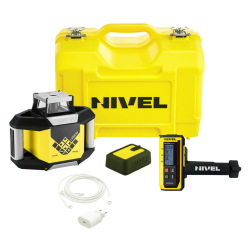
Probst LEVELHANDY LH
51000088zł329.64 tax incl. 268,00 zł tax excl.View technical data Zobacz szczegóły
- Weight: 1,8 kg
- Working width: 300 mm
- Maximum height: 0-250 mm
FLIEGUAN-HANDY FXH-25 Probst Vacuum Hand Gripper
58500001zł1,089.78 tax incl. 886,00 zł tax excl.View technical data Zobacz szczegóły
- Weight: 0,85 kg
- Dimensions: 280 x 190 mm
- Working load limit: 25 kg
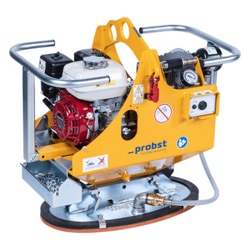
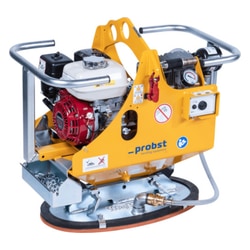
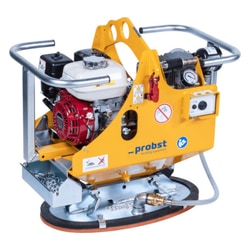
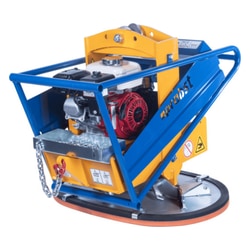
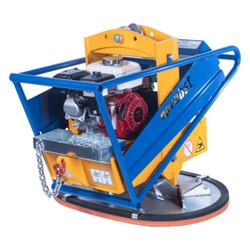
Vacuum Gripper SH-1000-MINI-B Probst
52400018zł56,111.00 tax incl. 45 618,70 zł tax excl.View technical data Zobacz szczegóły
- Weight: 90 kg
- Operating pressure: N/A
- Drive type: Silnik benzynowy (2,9 kW)
- Working load limit: 1000 kg
- Back pressure: N/A
Vacuum Gripper SH-1000-MINI-E Probst
52400020zł40,743.00 tax incl. 33 124,39 zł tax excl.View technical data Zobacz szczegóły
- Weight: 89 kg
- Voltage: 230 V
- Operating pressure: N/A
- Drive type: Elektryczny (0,52 kW)
- Working load limit: 1000 kg
Vacuum Gripper SH-1000-MINI-H Probst
52400040zł58,214.01 tax incl. 47 328,46 zł tax excl.View technical data Zobacz szczegóły
- Weight: 91 kg
- Operating pressure: 80-320 barów
- Drive type: Hydrauliczny (2,5 kW)
- Working load limit: 1000 kg
- Back pressure: 10 barów
Vacuum Gripper SH-2500-GREENLINE-FFS Probst
52400048zł100,107.24 tax incl. 81 388,00 zł tax excl.View technical data Zobacz szczegóły
- Weight: 151 kg
- Battery capacity: 23 Ah
- Drive type: Elektryczny (0,4 kW)
- Working load limit: 2500 kg
- Operating voltage: 24 V
Probst SH-2500-GREENLINE Vacuum Gripper
52400046zł87,354.60 tax incl. 71 020,00 zł tax excl.View technical data Zobacz szczegóły
- Weight: 151 kg
- Battery capacity: 23 Ah
- Drive type: Elektryczny (0,4 kW)
- Working load limit: 2500 kg
- Operating voltage: 24 V
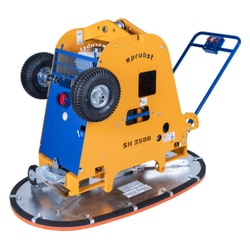
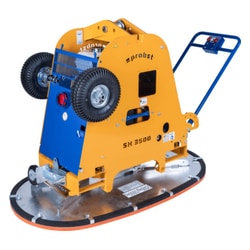
Vacuum Gripper SH-2500-UNI-B Probst
52400043zł61,210.95 tax incl. 49 765,00 zł tax excl.View technical data Zobacz szczegóły
- Weight: 120 kg
- Drive type: Benzynowy (2,9 kW)
- Working load limit: 2500 kg
Vacuum Gripper SH-2500-UNI-E Probst
52400044zł48,650.19 tax incl. 39 553,00 zł tax excl.View technical data Zobacz szczegóły
- Weight: 116 kg
- Voltage: 230 V
- Drive type: Elektryczny (0,55 kW)
- Working load limit: 2500 kg
Vacuum Gripper SH-3500-B-FFS Probst
52400047zł69,440.88 tax incl. 56 456,00 zł tax excl.View technical data Zobacz szczegóły
- Weight: 177,4 kg
- Drive type: Benzynowy (3,6 kW)
- Working load limit: 3500 kg
Vacuum Gripper SH-3500-B Probst
52400041zł58,737.42 tax incl. 47 754,00 zł tax excl.View technical data Zobacz szczegóły
- Weight: 177,4 kg
- Drive type: Benzynowy (3,6 kW)
- Working load limit: 3500 kg
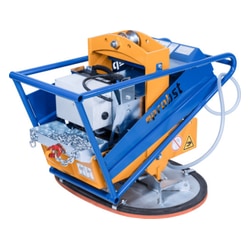
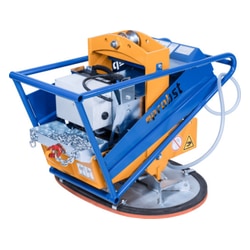
POWERJET PJ-1650-B Probst Vacuum Gripper
52400036zł62,218.32 tax incl. 50 584,00 zł tax excl.View technical data Zobacz szczegóły
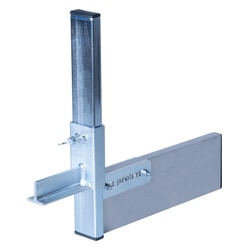
- Weight: 132 kg
- Drive type: Benzynowy (6,6 kW)
- Working load limit: 1650 kg
Vacuum laying devices lift slabs, blocks and concrete elements by suction against a smooth surface — without gripping the edges and without any risk of chipped corners. A pump creates negative pressure beneath the suction plate seal, and the element is held against the plate by atmospheric pressure. This is the only method that safely handles large-format slabs, which leave no room for the jaws of a mechanical clamp.
NORWIT.PL carries the full Probst range — from hand-held suction lifters rated at 25 kg (the 0.85 kg FLIEGUAN-HANDY FXH-25), through the battery-powered VACUUM-POWER-HANDY VPH-150 (150 kg, 12 V) and STONEMAGNET SM-600 (600 kg), up to petrol-driven units: SH-1000-MINI (1,000 kg) and POWERJET PJ-1650 (1,650 kg) for use with an excavator or crane.
For elements that can be gripped from the sides — blocks, kerbs and kerbstones — use mechanical clamps. Suction plates and fittings are in vacuum laying device accessories, and the complete range of paving equipment is in paving tools.
How a vacuum laying device works
A vacuum laying device lifts a building element by creating negative pressure between the rubber seal of a suction plate and the surface of the material. The pump draws air out from under the plate, and the element is pressed against it by atmospheric pressure acting from the outside. No magnet or adhesive is involved — the load capacity comes purely from the pressure difference, which is why it depends on the suction plate area and how well the seal contacts the surface.
This is what separates it from a mechanical device: a mechanical clamp grips the element with jaws from the sides, so it needs free space around it and a certain minimum element height. A vacuum device grips from above, which allows slabs to be laid tight against one another with no gap left for jaws, and handles low elements — patio slabs a few centimetres thick that jaws simply cannot grip.
The condition is a surface smooth enough to seal against. Concrete, stone, ceramic slabs and glass are handled without trouble; heavily porous or strongly textured materials call for the right suction plate, and sometimes a seal with greater compliance.
Classes of vacuum laying device — capacity and power source
The key selection criterion is the mass of the heaviest element to be lifted, together with how the pump is powered. The NORWIT.PL range covers three classes.
| Class | Capacity | Power | Typical use |
|---|---|---|---|
| Hand-held suction lifters | 25–50 kg | none (lever, hand pump) | tiles, small slabs, finishing work |
| Battery-powered | 150–600 kg | 12 V battery | patio and pavement slabs, work with a mini excavator |
| Petrol-driven | 1,000–1,650 kg | petrol engine 2.9–6.6 kW | road slabs, oversized elements, work with an excavator or crane |
Hand-held units are operated by one person with no power source at all — the vacuum is generated by a lever or hand pump and held mechanically. Battery models run an electric pump on 12 V and will work a full day on one charge. Petrol units are mounted on a carrier machine — these are excavator attachments rather than hand tools.
Probst vacuum laying devices available at NORWIT.PL
Below is a cross-section of the range with the parameters that drive the choice. Detailed data, suction plate sizes and equipment are on the product pages.
| Model | Capacity | Own weight | Drive |
|---|---|---|---|
| FLIEGUAN-HANDY FXH-25 | 25 kg | 0.85 kg | manual, 280 × 190 mm |
| VACUUM-HANDY VH-1/25 | 25/50 kg | 5 kg | manual, Ø 280 mm plate |
| VACUUM-POWER-HANDY VPH-150 GREENLINE | 150 kg | 16.5 kg | electric 12 V, 6.5 Ah battery |
| STONEMAGNET SM-600 GREENLINE | 600 kg | 35 kg | electric 12 V |
| SH-1000-MINI | 1,000 kg | 90 kg | petrol 2.9 kW (B version) or electric (E) |
| POWERJET PJ-1650 | 1,650 kg | 132 kg | petrol 6.6 kW |
The GREENLINE line covers models with an electric drive in place of a combustion engine — they run emission-free and much more quietly, which matters for work inside buildings, in tunnels and in low-emission zones. At an own weight of 35 kg, the STONEMAGNET SM-600 lifts elements up to 600 kg — more than seventeen times its own mass.
Matching a vacuum laying device to the job
Selection starts with the mass of the heaviest element on site, not the average one. A concrete slab of 100 × 100 × 8 cm weighs about 190 kg, while a road slab of 300 × 150 × 15 cm exceeds 1,600 kg. The first calls for a battery unit in the SM-600 class, the second already requires a petrol-driven POWERJET.
| Task | Typical element mass | Recommended class |
|---|---|---|
| Tiles, small patio slabs | up to 25 kg | hand-held FXH-25 / VH-1/25 |
| Large-format patio and pavement slabs | 50–150 kg | VPH-150 (battery) |
| Concrete slabs, precast elements | 200–600 kg | STONEMAGNET SM-600 |
| Road slabs, oversized elements | 600–1,650 kg | SH-1000-MINI / POWERJET PJ-1650 |
The second criterion is the carrier machine. Units up to 150 kg are handled by a single operator manually or with a light jib crane, while models from 600 kg upwards are slung under an excavator, loader or crane — you then need to check the machine's capacity at full reach, including the own weight of the device itself (35 kg for the SM-600, 132 kg for the PJ-1650).
The third factor is the material surface. Vibro-pressed concrete, cut stone and ceramic slabs hold well; heavily textured, porous or deeply patterned elements need a matched suction plate — available versions are in vacuum laying device accessories.
Frequently asked questions — vacuum laying devices
How does a vacuum laying device for block paving work?
A vacuum laying device lifts an element by creating negative pressure under the rubber seal of a suction plate. The pump draws out the air and the element is pressed against the plate by atmospheric pressure from outside — capacity therefore follows from the suction plate area and the quality of the seal, not from any clamping force. In practice hand-held units carry 25–50 kg, battery units from 150 to 600 kg, and petrol units up to 1,650 kg.
How does a vacuum device differ from a mechanical clamp?
A mechanical clamp grips the element with jaws from the sides, so it needs clear space around it and a minimum element height — typically between 60 and 200 mm of internal height. A vacuum device grips from above by suction, which lets it lay slabs tight against one another and handle flat elements such as patio slabs a few centimetres thick. The mechanical option is cheaper and simpler; the vacuum one is the only choice for large-format and low elements.
What capacity of vacuum laying device should I choose?
Capacity is matched to the heaviest element on site, not the average one. A concrete slab measuring 100 × 100 × 8 cm weighs around 190 kg, which sits in the 600 kg class, while a road slab of 300 × 150 × 15 cm exceeds 1,600 kg and calls for a petrol unit. Always leave a margin — manufacturers state the working load limit for optimal conditions, and a wet or dusty surface reduces real capacity.
Will a vacuum device lift paving blocks?
A single paving block is easier to lift with a mechanical clamp, whereas a vacuum device comes into its own with elements offering a large smooth surface: pavement slabs, patio slabs, large-format units and road slabs. Blocks laid in courses are instead handled by multi-grip laying clamps that move a whole layer at once. Contact area decides — the smaller and more textured it is, the less the vacuum can hold.
What is the GREENLINE line in Probst devices?
GREENLINE denotes models with an electric drive instead of a combustion engine — for instance the STONEMAGNET SM-600 GREENLINE, rated at 600 kg and powered from 12 V. They run without exhaust fumes and far more quietly, which suits work inside buildings, in tunnels, in halls and in low-emission zones. Petrol versions remain the choice where charging batteries is not practical.
Do I need an excavator for a vacuum laying device?
Units rated up to 150 kg, such as the VACUUM-POWER-HANDY VPH-150 at an own weight of 16.5 kg, are handled by one operator manually or with a light jib crane. Models from 600 kg upwards are slung under an excavator, loader or crane. When choosing the carrier machine, account for the device's own weight — 35 kg for the SM-600 and 132 kg for the POWERJET PJ-1650 — and for the machine's capacity at full reach rather than close to the mast.
Which materials can be moved with a vacuum device?
A vacuum device handles materials with a surface smooth enough for the seal to adhere: vibro-pressed concrete, cut stone, ceramic and porcelain slabs, glass and precast units. Heavily porous, strongly textured or deeply patterned materials require a dedicated suction plate with a more compliant seal. The surface also has to be clean — dust and water reduce the seal quality and with it the real lifting capacity.