


-
-
Concrete
-
- Concreting
- Concrete Vibrators
- Complete 230 V Mechanical Vibrators
- Vibrator Heads
- Vibrator Shafts
- Vibrator Motors
- Concrete Vibrators 42 V | 200 Hz
- Mechanical Vibrators 230 V
- 42 V | 200 Hz Head and Shaft
- 230 V Concrete Vibrators
- Vibrators With Built-In 230 V | 200 Hz Converter
- 42 V | 200 Hz Converters
- Combustion Vibrators
- Pneumatic Vibrators
- External Vibrators
- Power Trowels
- Vibratory Screeds
- Concrete Hand Tools
- Concrete Vibrators
-
-
-
-
-
- Walk-Behind Combustion Power Trowels
-
-
-
Heating and cooling
-
Generators
-
Earthworks
-
Industrial vacuums
-
Finishing
-
Pumps
-
Measurement
-
BLOG & Tips
-
Promotions
Kategorie 16 kategorii
Kategorie
-
- Levels and Measurements
- Soil Compactors
- Tamping Rammers - Jumping Jacks
- Single Direction Vibratory Plates
- Reversible Vibratory Plates
- Rollers
- 100 kg Soil Compactors
- 200 kg Soil Compactors
- 300 kg Soil Compactors
- 400 kg Soil Compactors
- 500 kg Soil Compactors
- 600 kg Soil Compactors
- 700 kg Soil Compactors
- 800 kg Soil Compactors
- Wacker Neuson Compactors
- Accessories for Compactors
- Bomag Compactors
- Altrad Belle Compactors
- Paver Compactors
- Swepac Compactors
- Power Generators
- Concreting
- Concrete Vibrators
- Complete 230 V Mechanical Vibrators
- Vibrator Heads
- Vibrator Shafts
- Vibrator Motors
- Concrete Vibrators 42 V | 200 Hz
- Mechanical Vibrators 230 V
- 42 V | 200 Hz Head and Shaft
- 230 V Concrete Vibrators
- Vibrators With Built-In 230 V | 200 Hz Converter
- 42 V | 200 Hz Converters
- Combustion Vibrators
- Pneumatic Vibrators
- External Vibrators
- Vibratory Screeds
- Power Trowels
- Concrete Hand Tools
- Concrete Vibrators
- Pumps and Motor Pumps
- Cutting, Drilling and Grinding
- Heating and Cooling
- Wood Table Saws
- Painting and Plastering
- Combustion Engines
- Washing and Vacuuming
- Cement Mixers
- Paving Tools
- Wheelbarrows and Track Dumpers
- Demolition and Hammers
- Sales
- Levels and Measurements
Brak kategorii pasujących do wyszukiwania.
Power Trowel Parts
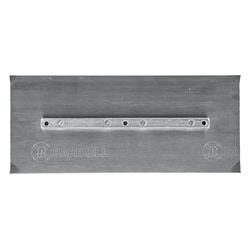
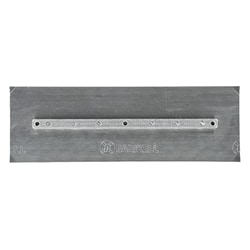
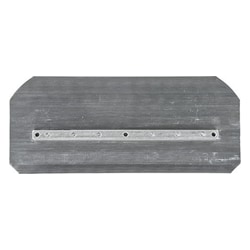
BARIKELL Pala Blades 4-60
4200zł159.90 tax incl. 130,00 zł tax excl.No technical data available Zobacz szczegóły
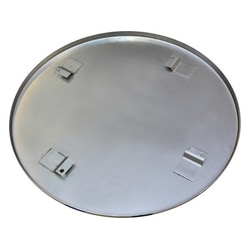
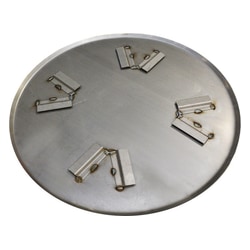
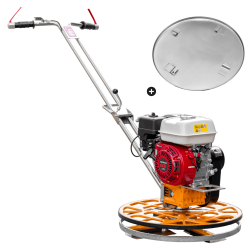
Plate For BARIKELL 600 Power Trowel
4105zł246.00 tax incl. 200,00 zł tax excl.No technical data available Zobacz szczegóły
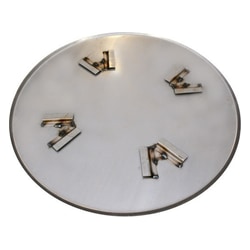
BARIKELL 980 Power Trowel Plate
4120zł392.37 tax incl. 319,00 zł tax excl.No technical data available Zobacz szczegóły
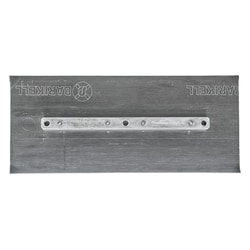
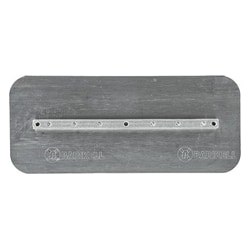
BARIKELL Pala Blades 4-90
4225zł166.05 tax incl. 135,00 zł tax excl.No technical data available Zobacz szczegóły
BARIKELL Pala Blades 8-90
4240zł183.27 tax incl. 149,00 zł tax excl.No technical data available Zobacz szczegóły
Plate For BARIKELL 1200 Power Trowel
4125zł552.27 tax incl. 449,00 zł tax excl.No technical data available Zobacz szczegóły
BARIKELL Pala 8-120 Blades
4235zł221.40 tax incl. 180,00 zł tax excl.No technical data available Zobacz szczegóły
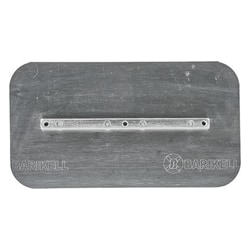
BARIKELL Pala Blades 4-75
4215zł184.50 tax incl. 150,00 zł tax excl.No technical data available Zobacz szczegóły
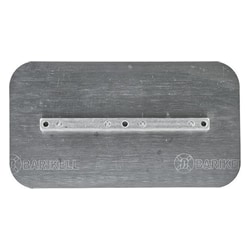
BARIKELL Combi Special 8-90 Blades
4266zł221.40 tax incl. 180,00 zł tax excl.No technical data available Zobacz szczegóły
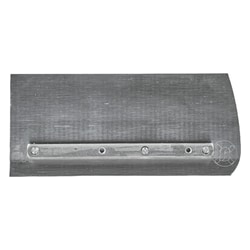
BARIKELL Combi Blades 8-120
4260zł233.70 tax incl. 190,00 zł tax excl.No technical data available Zobacz szczegóły
BARIKELL Combi Special 8-120 Blades
4259zł244.77 tax incl. 199,00 zł tax excl.No technical data available Zobacz szczegóły
BARIKELL Combi Special 4-90 Blades
4253zł196.80 tax incl. 160,00 zł tax excl.No technical data available Zobacz szczegóły
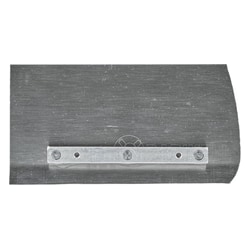
Power trowel parts are the blades and float pan fitted to the rotor of a power trowel — the machine that trowels and smooths a fresh concrete floor while it sets. Blades (also called wings) work at a pitch angle typically of 5–25 degrees over successive passes, and a float pan is a round steel disc mounted under the blades right after the concrete is poured, while the surface is still soft. A blade set usually numbers 3–4 pieces per rotor, and the right choice depends on the stage of work and the power trowel model.
At NORWIT.PL, power trowel parts come primarily from Barikell and Schwamborn — from universal combi blades, such as the Barikell Combi 4-120 for large single-rotor power trowels, to float pans and mounting fittings. The full range of machines for finishing a fresh concrete slab is in the concrete troweling category, and the brands are available on the Barikell and Schwamborn pages. Below we explain the difference between blade types, how to size a float pan, and when it's time to replace worn fittings.
Power trowel parts — blades and float pan, what they are
Power trowel parts are the blades and float pan fitted to the rotor of a power trowel, the machine that smooths a fresh concrete floor while it sets. Blades are metal fins bolted to the rotor, working at a pitch angle typically of 5–25 degrees over successive passes — the steeper the angle, the firmer the pressure and the smoother the finish. A float pan is a round steel disc fitted under the blades right after the concrete is poured, while the surface is still soft.
At NORWIT.PL, power trowel parts come primarily from Barikell and Schwamborn — manufacturers of blades, pans and mounting fittings for single- and twin-rotor power trowels. Equipment is available on the Barikell and Schwamborn pages, and the machines themselves are gathered in the concrete troweling category. Below we cover blade types, float pan sizing, and when to replace worn fittings.
Types of power trowel parts — combi blades, finishing blades and float pans
Power trowel fittings fall into three groups by work stage and function. Combi blades (universal) combine initial and finishing troweling in a single blade — they work at a pitch angle typically of 5–15 degrees. Finishing blades are set at a steeper angle, up to 20–25 degrees, for the last pass, once the concrete has firmly set. A float pan goes on before the blades, at the stage when the surface is still soft.
| Part type | What it's for | Example brands |
|---|---|---|
| Combi blades (universal) | initial and finishing troweling in one pass, working angle approx. 5–15° | Barikell, Schwamborn |
| Finishing blades | the machine's final pass, highest sheen and surface hardness, angle up to 20–25° | Barikell, Schwamborn |
| Float pan | initial smoothing of fresh, soft concrete before the blades are used | Barikell, Schwamborn |
| Mounting fittings (holders, fixings) | attaching blades and the pan to the power trowel rotor | Barikell, Schwamborn |
The full range of power trowels is available in the concrete troweling category. Fittings are always matched to a specific model — check compatibility on the product page before ordering.
Choosing blades and a float pan for a single-rotor power trowel
The number of blades on the rotor and the pan size depend on the power trowel's diameter. Single-rotor (walk-behind) machines usually work with a set of 3–4 blades per rotor, and the pan is fitted underneath the whole set at once. What matters most is the exact model — blade mounting differs between manufacturers, so Barikell fittings aren't a 1:1 substitute for other brands without checking dimensions first.
An example of a universal set in the NORWIT.PL range is the Barikell Combi 4-120 blade set — the name follows the manufacturer's own convention of blade count–diameter in centimetres, meaning a set of four combi blades for a single-rotor power trowel with a pan of about 120 cm.
Barikell and Schwamborn — power trowel parts at NORWIT.PL
Barikell is a manufacturer of power trowels and concrete-finishing fittings, whose blades and pans are matched to its own line of single- and twin-rotor machines. At NORWIT.PL you'll mainly find combi blades in sets of 3–4 pieces, sized to the rotor diameter.
Schwamborn is a manufacturer of concrete surface-finishing tools, whose blades and float pans fit the brand's own power trowels. As with Barikell, fittings are matched to a specific model — mounting spacing and blade pitch angle vary by rotor series, so check compatibility on the product page first.
When to replace power trowel blades and the float pan
Trowel blades wear down at the working edge, and the rate of wear depends on the hardness of the concrete and the number of hours worked. Under intensive use, replacement can be needed every 100–200 hours, while occasional use might only mean once a season. Signs it's time to replace them include a rounded edge, a drop in finish quality (streaks, unevenness), or needing 1–2 extra passes to get the same result.
The float pan wears more slowly than the blades, but it loses rigidity and starts to bounce off firm concrete once its edge bends or cracks. When buying a new power trowel, put together a spare blade set right away to avoid downtime on site.
Frequently asked questions about power trowel parts
What's the difference between combi blades and finishing blades for a power trowel?
Combi blades (universal) combine initial and finishing troweling in a single blade and work at a pitch angle typically of 5–15 degrees, which makes them suitable for a typical floor slab without swapping fittings mid-job. Finishing blades are set at a steeper angle, up to 20–25 degrees, for the last pass, once the concrete has firmly set — they give the surface its highest sheen and hardness. A combi set covers most jobs, and finishing blades are added for industrial floors.
How do I size a float pan for a petrol power trowel?
A float pan is sized to the rotor diameter of the petrol power trowel and the number of blades fitted to it — usually 3 or 4 per rotor. It goes on first, right after the concrete is poured, while the surface is still soft, and comes off after 1–2 hours, once troweling with the blades begins. Before buying, it's worth checking the power trowel model on the product page, since mounting spacing differs between manufacturers, and a single-rotor machine needs a different size than a twin-rotor or ride-on model.
When should I replace the blades in a concrete power trowel?
Blades are replaced once the working edge rounds off or the troweled surface starts to show streaks and unevenness despite correct technique. Under intensive use, the signal to replace them usually appears after 100–200 hours of work, while occasional troweling might only mean once a season. Another indicator is needing 1–2 extra passes to achieve the same result. Checking blade thickness regularly, every few jobs, protects the pan and rotor from excess load.
Do Barikell blades fit power trowels of other brands?
Barikell blades are designed around the mounting pattern of the brand's own power trowels, so interchangeability between brands isn't the rule. They're usually fixed with 2–4 bolts spaced evenly around the rotor, and the hole spacing can differ by as much as a dozen or so millimetres between manufacturers — a blade from one machine may not fit another brand's rotor, or may work at the wrong angle. The safest approach is to match fittings to the exact model listed on the product page, comparing the hole spacing with the power trowel's documentation beforehand.
What power trowel parts and accessories does Schwamborn offer?
Schwamborn, a manufacturer of concrete surface-finishing fittings, offers blades and float pans at NORWIT.PL compatible with its own power trowels. Blades are fitted in sets of 3 or 4 per rotor, in a combi (universal) variant and a finishing variant working at an angle of up to about 20–25 degrees on the machine's last pass. The float pan goes on at the stage of soft, fresh concrete, before troweling with the blades begins. Fittings are always matched to the specific power trowel model of this brand.
How many spare blade sets should I keep on site?
On a typical job it's worth keeping at least one full spare blade set (3–4 pieces per rotor) alongside the set already fitted in the power trowel, to avoid downtime from sudden wear mid-job. On large projects covering hundreds or thousands of square metres, two spare sets — combi and finishing — let you finish the job without waiting for a delivery. The float pan wears more slowly than the blades, so a single spare unit is usually enough.
How do I fit a float pan on a single-rotor power trowel?
A float pan is fitted underneath the blade set of a single-rotor power trowel (one rotor, a set of 3–4 blades), usually secured with 3–4 clips or wing bolts spaced around the disc. It's worth checking whether the pan is double-sided — once one side wears out, it can be flipped over and the other side used. It goes on for the first pass over fresh concrete and comes off before troweling with the blades, usually 1–2 hours after pouring.
What's the difference between blades for fresh concrete and finishing blades?
Blades for fresh concrete (float or combi blades with a low pitch angle, usually under 10 degrees) have a wider, flat working surface and are used to spread and compact the mix before it begins to set. Finishing blades work at a much steeper angle, up to 20–25 degrees, on the machine's final passes, once the concrete has firmly set — they press the surface harder, giving it a smooth, glossy finish. Using finishing blades too early makes them sink into soft concrete.
Why buy power trowel parts at NORWIT.PL
We specialise in matching power trowel fittings: blades and float pans from Barikell and Schwamborn, sized to your machine model. We advise on the blade type (combi or finishing) and the right time to replace fittings, and new power trowels are available in the concrete troweling category. We fulfil orders online, with shipping nationwide.